
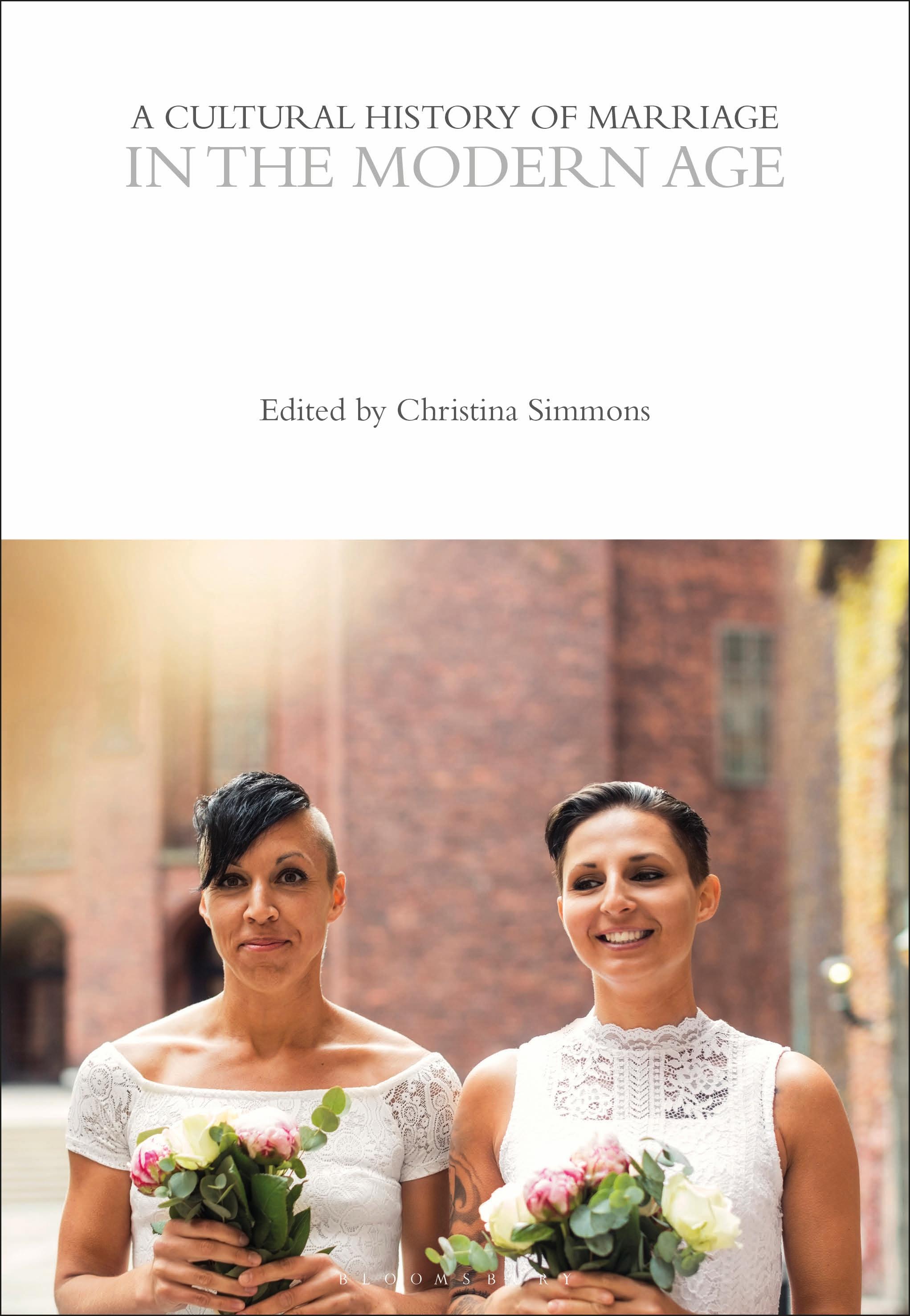
Spanning cultures across the 20th century, this volume explores how marriage, especially in the West, was disestablished as the primary institution organizing social life. In the developing world, the economic, social, and legal foundations of traditional marriage are stronger but also weakening. Marriage changed because an industrial wage economy reduced familial patriarchal control of youth and women and spurred demands and possibilities for greater autonomy and choice in love. After the Second World War, when more married women pursued education and employment, and gays and lesbians gained visibility, feminism and gay liberation also challenged patriarchal and restrictive gender roles and helped to reshape marriage. In 1920 most people married for life; in the twenty-first century fewer marry, and serial monogamy prevails. Marriage is more diverse and flexible in form but also more fragile and optional than it once was.
Over the century control of courtship shifted from parents to youth, and friends, as opposed to kin, became more important in sustaining marriages. Dual-wage-earner families replaced the male breadwinner. Social and political liberalism assailed conservative laws and religious regimes, expanding access to divorce and birth control. Although norms of masculinity and femininity retain huge power in most cultures, visions of more egalitarian and romantic love as the basis of marriage have gained traction-made appealing by the global spread of capitalist social relations and also broadcast by culture industries in the developed world. The legalization of same-sex marriage-in over twenty-five nations by 2020-epitomizes a century of change toward a less gender-defined ideal that includes a continued desire for social recognition and permanence.
A Cultural History of Marriage in the Modern Age presents an overview of the period with essays on Courtship and Ritual; Religion, State and Law; Kinship and Social Networks; the Family Economy; Love and Sex; the Breaking of Vows; and Representations of Marriage.
Over the century control of courtship shifted from parents to youth, and friends, as opposed to kin, became more important in sustaining marriages. Dual-wage-earner families replaced the male breadwinner. Social and political liberalism assailed conservative laws and religious regimes, expanding access to divorce and birth control. Although norms of masculinity and femininity retain huge power in most cultures, visions of more egalitarian and romantic love as the basis of marriage have gained traction-made appealing by the global spread of capitalist social relations and also broadcast by culture industries in the developed world. The legalization of same-sex marriage-in over twenty-five nations by 2020-epitomizes a century of change toward a less gender-defined ideal that includes a continued desire for social recognition and permanence.
A Cultural History of Marriage in the Modern Age presents an overview of the period with essays on Courtship and Ritual; Religion, State and Law; Kinship and Social Networks; the Family Economy; Love and Sex; the Breaking of Vows; and Representations of Marriage.
Payez facilement par carte, Klarna, Apple Pay ou Google Pay. Pas satisfait ? Vous avez toujours une garantie de remboursement de 14 jours. En savoir plus dans nos conditions. Si vous avez des questions, envoyez-nous un e-mail à hello@memmo.org.
Memmo facilite tes études, où que tu sois dans le monde. On rassemble tes manuels de cours et des outils d'étude intelligents au même endroit : résumés, quiz, podcasts et flashcards. Et il y a Ted, ton compagnon d'étude qui répond à toutes tes questions. Plus de 50 000 étudiants étudient déjà ici – conçu pour t'aider à apprendre plus vite et à moins stresser.