
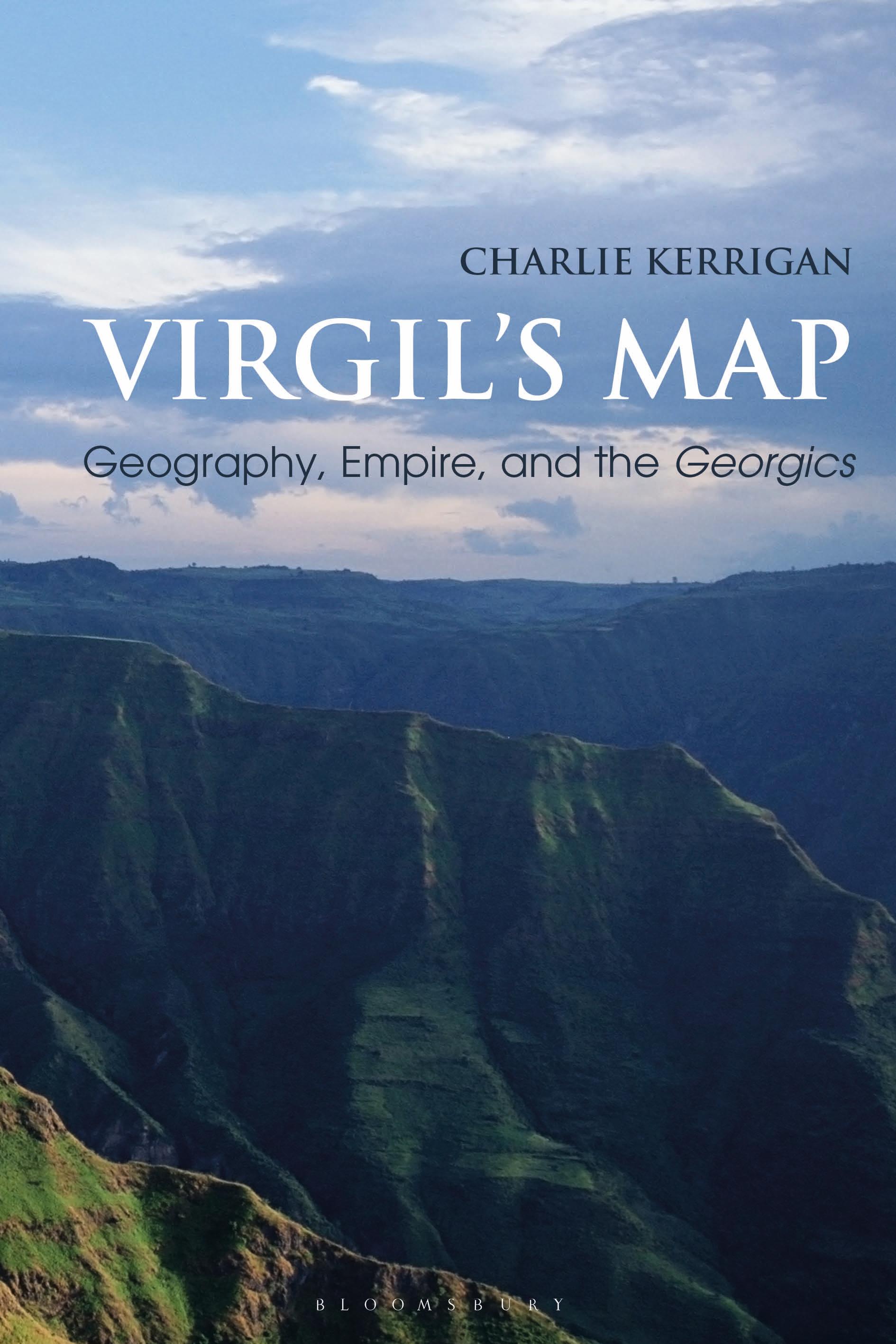
Virgil's Georgics depicts the world and its peoples in great detail, but this geographical interest has received little detailed scholarly attention. Hundreds of years later, readers in the British empire used the poem to reflect upon their travels in acts of imagination no less political than Virgil's own. Virgil's Map combines a comprehensive survey of the literary, economic, and political geography of the Georgics with a case study of its British imperial reception c. 1840–1930.
Part One charts the poem's geographical interests in relation to Roman power in and beyond the Mediterranean; shifting readers' attention away from Rome, it explores how the Georgics can draw attention to alternative, non-Roman histories. Part Two examines how British travellers quoted directly from the poem to describe peoples and places across the world, at times equating the colonial subjects of European empires to the 'happy farmers' of Virgil's poem, perceived to be unaware, and in need, of the blessings of colonial rule.
Drawing attention to the depoliticization of the poem in scholarly discourse, and using newly discovered archival material, this interdisciplinary work seeks to re-politicize both the poem and its history in service of a decolonizing pedagogy. Its unique dual focus allows for an extended exploration, not just of geography and empire, but of Europe's long relationship with the wider world.
Part One charts the poem's geographical interests in relation to Roman power in and beyond the Mediterranean; shifting readers' attention away from Rome, it explores how the Georgics can draw attention to alternative, non-Roman histories. Part Two examines how British travellers quoted directly from the poem to describe peoples and places across the world, at times equating the colonial subjects of European empires to the 'happy farmers' of Virgil's poem, perceived to be unaware, and in need, of the blessings of colonial rule.
Drawing attention to the depoliticization of the poem in scholarly discourse, and using newly discovered archival material, this interdisciplinary work seeks to re-politicize both the poem and its history in service of a decolonizing pedagogy. Its unique dual focus allows for an extended exploration, not just of geography and empire, but of Europe's long relationship with the wider world.
Payez facilement par carte, Klarna, Apple Pay ou Google Pay. Pas satisfait ? Vous avez toujours une garantie de remboursement de 14 jours. En savoir plus dans nos conditions. Si vous avez des questions, envoyez-nous un e-mail à hello@memmo.org.
Memmo facilite tes études, où que tu sois dans le monde. On rassemble tes manuels de cours et des outils d'étude intelligents au même endroit : résumés, quiz, podcasts et flashcards. Et il y a Ted, ton compagnon d'étude qui répond à toutes tes questions. Plus de 50 000 étudiants étudient déjà ici – conçu pour t'aider à apprendre plus vite et à moins stresser.