
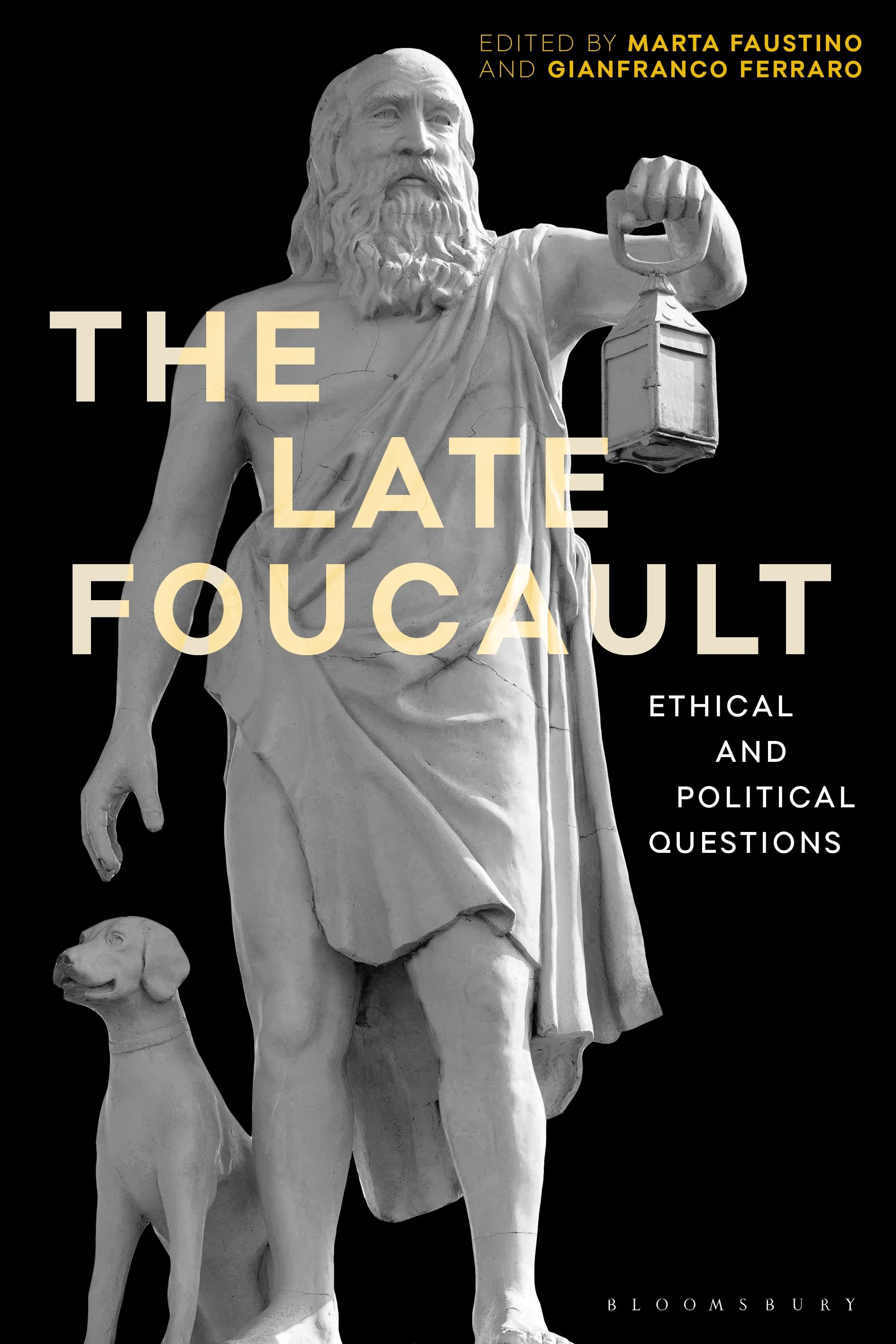
Michel Foucault is one of the most important and controversial thinkers of the twentieth century and one of the leading figures in contemporary Western intellectual life and debate. The recent publication of his last lecture courses at the Collège de France (1981-1984), together with the short texts, essays, and interviews from the same period, have sparked new interest in his work, allowing for a new understanding of his philosophical trajectory and challenging several interpretations produced over the last few decades.
In this later phase of his thinking, Foucault deepens and expands the course of his preceding works on the genealogy of subjectivity, while at the same time adding a significant ethical and political dimension to it. His focus on the ancient ethics of care of the self and technologies of self-constitution during this period adds important nuances to his previous positions on power, truth, and subjectivity, shedding new light on his philosophical endeavour as a whole and situating his reflections at the centre of current moral debates.
Focusing on the last stage of Foucault's thought, this book brings together international scholars to relaunch the critical debate on the significance of Foucault's so-called “ethical turn” and to discuss the ways in which the perspectives offered by Foucault in this period might help us to unravel modernity, giving us the tools to understand and transform our present, ethically and politically.
In this later phase of his thinking, Foucault deepens and expands the course of his preceding works on the genealogy of subjectivity, while at the same time adding a significant ethical and political dimension to it. His focus on the ancient ethics of care of the self and technologies of self-constitution during this period adds important nuances to his previous positions on power, truth, and subjectivity, shedding new light on his philosophical endeavour as a whole and situating his reflections at the centre of current moral debates.
Focusing on the last stage of Foucault's thought, this book brings together international scholars to relaunch the critical debate on the significance of Foucault's so-called “ethical turn” and to discuss the ways in which the perspectives offered by Foucault in this period might help us to unravel modernity, giving us the tools to understand and transform our present, ethically and politically.
Payez facilement par carte, Klarna, Apple Pay ou Google Pay. Pas satisfait ? Vous avez toujours une garantie de remboursement de 14 jours. En savoir plus dans nos conditions. Si vous avez des questions, envoyez-nous un e-mail à hello@memmo.org.
Memmo facilite tes études, où que tu sois dans le monde. On rassemble tes manuels de cours et des outils d'étude intelligents au même endroit : résumés, quiz, podcasts et flashcards. Et il y a Ted, ton compagnon d'étude qui répond à toutes tes questions. Plus de 50 000 étudiants étudient déjà ici – conçu pour t'aider à apprendre plus vite et à moins stresser.