
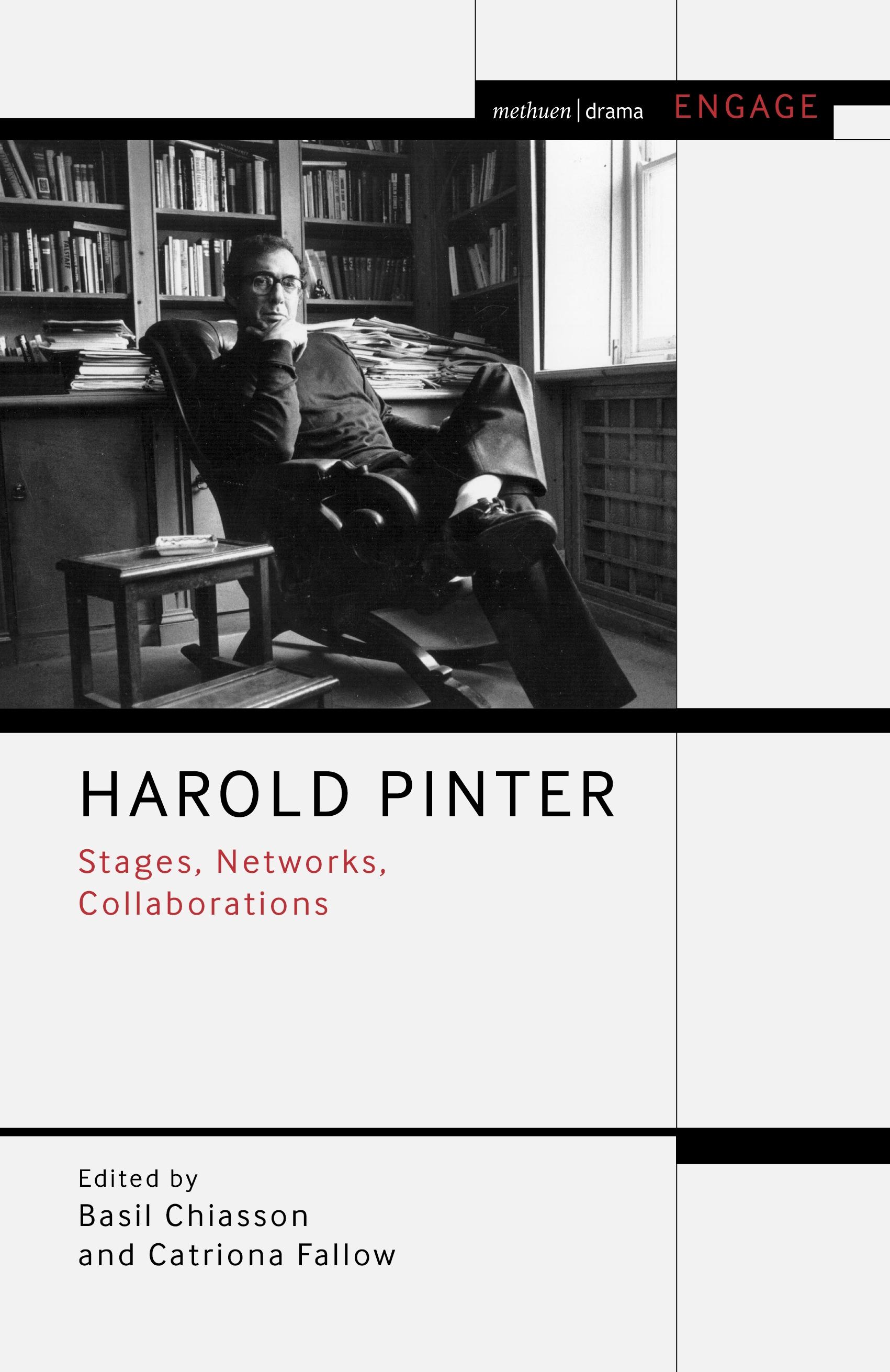
This important book offers a thematic collection of critical essays, ideal for undergraduate courses on modern British theatre, on Harold Pinter's theatrical works, alongside new interviews with contemporary theatre practitioners.
The life and works of Harold Pinter (1930–2008), a pivotal figure in twentieth- and twenty-first century British theatre, have been widely discussed, debated and celebrated internationally. For over five decades, Pinter's work traversed and redefined various forms and genres, constantly in dialogue with, and often impacting the work of, other writers, artists and activists. He is today considered one of the most important British playwrights ever to have lived.
Through combining a reconsideration of key Pinter scholarship with new contexts, voices and theoretical approaches, it opens up fresh insights into the author's work, politics, collaborations and his enduring status as one of the world's foremost twentieth-century dramatists.
Divided into three parts, the book is compiled of a collection of chapters that re-contextualize Pinter as a cultural figure; explore and interrogate his influence on contemporary British playwriting; and offer a series of original interviews with theatre-makers engaging in the staging of Pinter's work today. Reconsiderations of Pinter's relationship to literary and theatrical movements such as Modernism and the Theatre of the Absurd; interrogations of the role of class, elitism and religious and cultural identity sit alongside chapters on Pinter's personal politics, specifically in relation to the Middle East.
The life and works of Harold Pinter (1930–2008), a pivotal figure in twentieth- and twenty-first century British theatre, have been widely discussed, debated and celebrated internationally. For over five decades, Pinter's work traversed and redefined various forms and genres, constantly in dialogue with, and often impacting the work of, other writers, artists and activists. He is today considered one of the most important British playwrights ever to have lived.
Through combining a reconsideration of key Pinter scholarship with new contexts, voices and theoretical approaches, it opens up fresh insights into the author's work, politics, collaborations and his enduring status as one of the world's foremost twentieth-century dramatists.
Divided into three parts, the book is compiled of a collection of chapters that re-contextualize Pinter as a cultural figure; explore and interrogate his influence on contemporary British playwriting; and offer a series of original interviews with theatre-makers engaging in the staging of Pinter's work today. Reconsiderations of Pinter's relationship to literary and theatrical movements such as Modernism and the Theatre of the Absurd; interrogations of the role of class, elitism and religious and cultural identity sit alongside chapters on Pinter's personal politics, specifically in relation to the Middle East.
Payez facilement par carte, Klarna, Apple Pay ou Google Pay. Pas satisfait ? Vous avez toujours une garantie de remboursement de 14 jours. En savoir plus dans nos conditions. Si vous avez des questions, envoyez-nous un e-mail à hello@memmo.org.
Memmo facilite tes études, où que tu sois dans le monde. On rassemble tes manuels de cours et des outils d'étude intelligents au même endroit : résumés, quiz, podcasts et flashcards. Et il y a Ted, ton compagnon d'étude qui répond à toutes tes questions. Plus de 50 000 étudiants étudient déjà ici – conçu pour t'aider à apprendre plus vite et à moins stresser.