
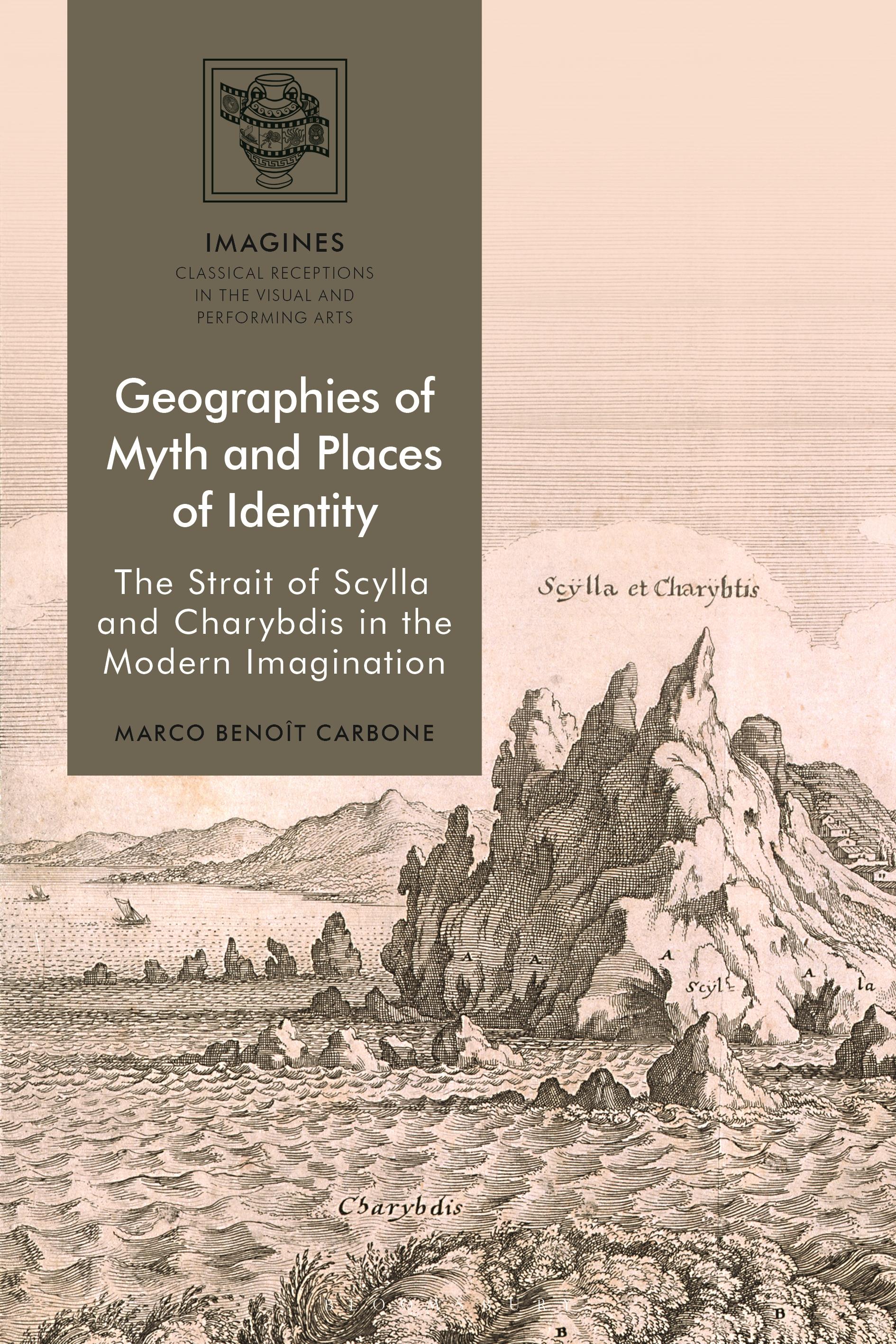
Turning to a region of South Italy associated with Greater Greece and the geographies of Homer's Odyssey, Marco Benoît Carbone delivers a historical and ethnographic treatment of how places defined in public imagination and media by their associated histories become sites of memory and identity, as their landscape and mythologies turn into insignia of a romanticised antiquity.
For the ancient Greeks, Homer had set the marine monsters of the Odyssey in the Strait between Calabria and Sicily. Since then, this passage has been glowing with the aura of its mythological landmarks. Travellers and tourists have played Odysseus by re-enacting his journey. Scholars and explorers have explained the myths as metaphors of whirlpools and marine fauna. The iconic Strait and village of Scilla have turned into place-myths and playgrounds, defined by the region's heritage.
Carbone observes the enduring impact of Hellas on the real Strait today. The continuous rekindling of cultural and visual traditions of place in the arts, media, travel, and tourism have intersected with philhellenic historiographies, shaping local policies, public histories, views of development, and forms of Hellenicist identitarianism. Elements of society have celebrated the landscape of the Odyssey, appropriated Homer as their imagined heirs, and purported themselves as the original Europeans–pandering to outdated ideological appropriations of 'classical' antiquity and exclusionary, West-centric views of the Mediterranean.
For the ancient Greeks, Homer had set the marine monsters of the Odyssey in the Strait between Calabria and Sicily. Since then, this passage has been glowing with the aura of its mythological landmarks. Travellers and tourists have played Odysseus by re-enacting his journey. Scholars and explorers have explained the myths as metaphors of whirlpools and marine fauna. The iconic Strait and village of Scilla have turned into place-myths and playgrounds, defined by the region's heritage.
Carbone observes the enduring impact of Hellas on the real Strait today. The continuous rekindling of cultural and visual traditions of place in the arts, media, travel, and tourism have intersected with philhellenic historiographies, shaping local policies, public histories, views of development, and forms of Hellenicist identitarianism. Elements of society have celebrated the landscape of the Odyssey, appropriated Homer as their imagined heirs, and purported themselves as the original Europeans–pandering to outdated ideological appropriations of 'classical' antiquity and exclusionary, West-centric views of the Mediterranean.
Payez facilement par carte, Klarna, Apple Pay ou Google Pay. Pas satisfait ? Vous avez toujours une garantie de remboursement de 14 jours. En savoir plus dans nos conditions. Si vous avez des questions, envoyez-nous un e-mail à hello@memmo.org.
Memmo facilite tes études, où que tu sois dans le monde. On rassemble tes manuels de cours et des outils d'étude intelligents au même endroit : résumés, quiz, podcasts et flashcards. Et il y a Ted, ton compagnon d'étude qui répond à toutes tes questions. Plus de 50 000 étudiants étudient déjà ici – conçu pour t'aider à apprendre plus vite et à moins stresser.