
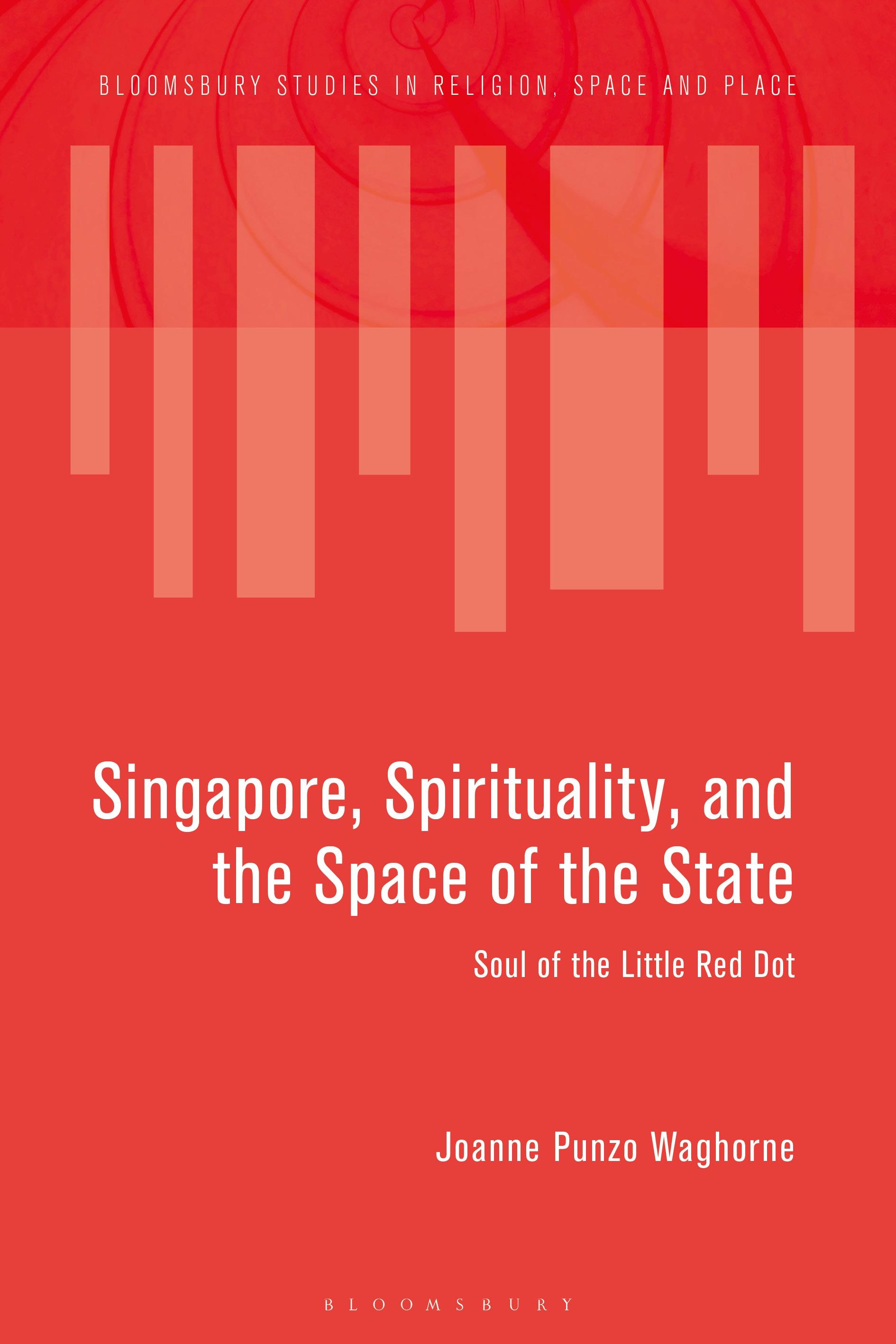
This book examines spirituality in Singapore, showing how important the city state is for understanding contemporary global configurations of urban space, religion, and spirituality. Joanne Punzo Waghorne highlights how the formal religious spaces-temples, churches, and mosques-have been confined to allotted sites on the map of Singapore, whereas various “spiritual” organizations, particularly of Hindu origins and headed by a guru, still continue to operate as “societies” classified by the government with other “clubs.”
These unconventional religiosities are not confined but ironically make their own places, meeting in ostensive secular venues: high-rise flats, malls, businesses, and community centers, thus existing in the overall space of religion, commerce, and the state. The book argues that State of Singapore also operates between the secular and the religious, constructing an overarching spatial regime that both accommodates and yet rivals the alternate spheres that spiritual movements construct under its umbrella.
Both spatial configurations challenge the presumed relationships between myth and reality, religion and commerce, the ethereal and the concrete, the sacred and the secular, on the levels of self, community, and polity. Singapore, now deemed a model for urban development in Asia, also offers an understanding of a new post-secularity and perhaps reveals where the urbanized world is headed.
These unconventional religiosities are not confined but ironically make their own places, meeting in ostensive secular venues: high-rise flats, malls, businesses, and community centers, thus existing in the overall space of religion, commerce, and the state. The book argues that State of Singapore also operates between the secular and the religious, constructing an overarching spatial regime that both accommodates and yet rivals the alternate spheres that spiritual movements construct under its umbrella.
Both spatial configurations challenge the presumed relationships between myth and reality, religion and commerce, the ethereal and the concrete, the sacred and the secular, on the levels of self, community, and polity. Singapore, now deemed a model for urban development in Asia, also offers an understanding of a new post-secularity and perhaps reveals where the urbanized world is headed.
Payez facilement par carte, Klarna, Apple Pay ou Google Pay. Pas satisfait ? Vous avez toujours une garantie de remboursement de 14 jours. En savoir plus dans nos conditions. Si vous avez des questions, envoyez-nous un e-mail à hello@memmo.org.
Memmo facilite tes études, où que tu sois dans le monde. On rassemble tes manuels de cours et des outils d'étude intelligents au même endroit : résumés, quiz, podcasts et flashcards. Et il y a Ted, ton compagnon d'étude qui répond à toutes tes questions. Plus de 50 000 étudiants étudient déjà ici – conçu pour t'aider à apprendre plus vite et à moins stresser.