
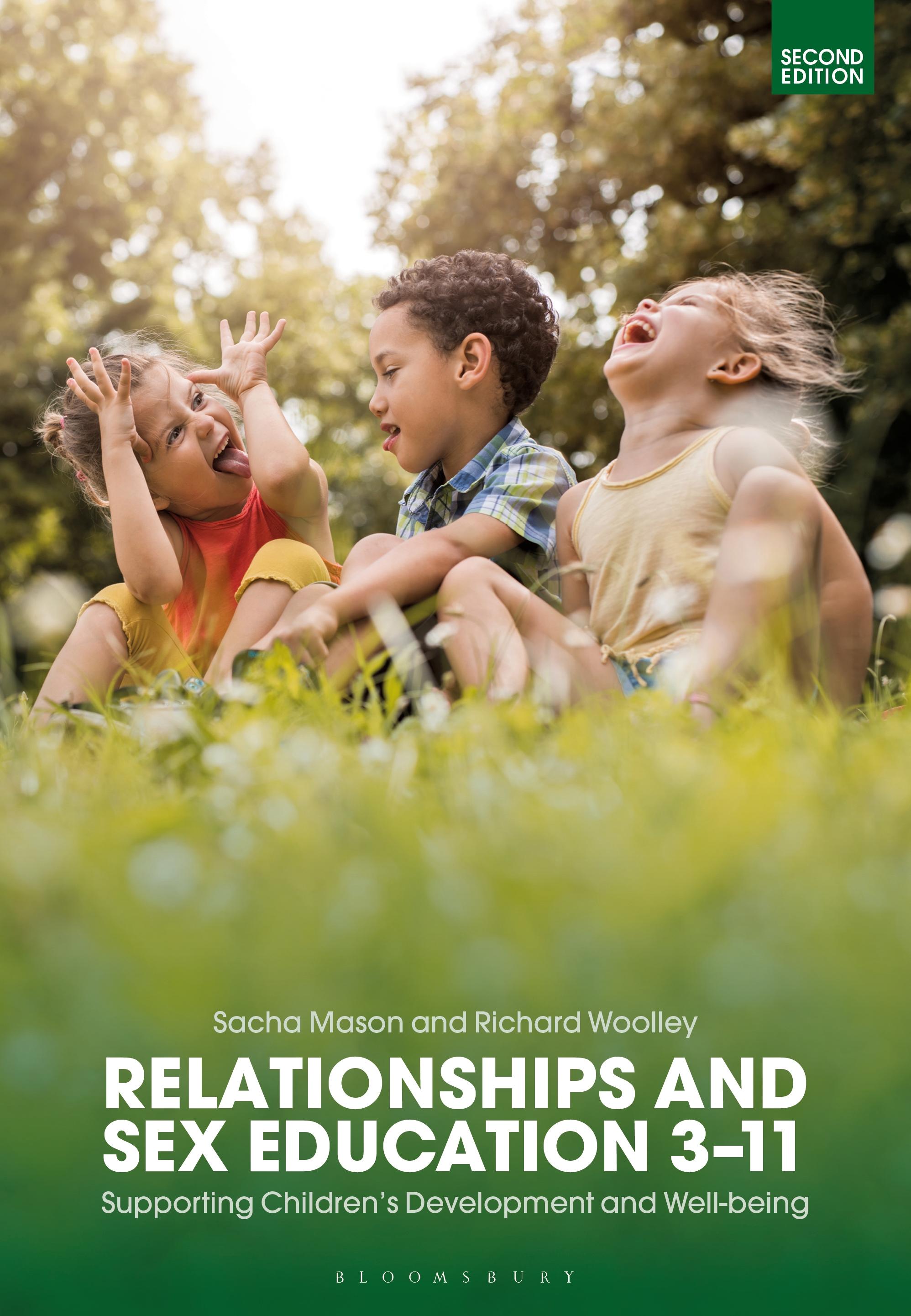
'Where do babies come from?' The prospect of this age-old question is one that causes significant apprehension for many professionals working with children, but this isn't where the anxiety ends. This book argues that it is essential to have clear strategies to support children's questions about relationships, growing up and sex so that they are enabled to develop positive and confident views about themselves and those around them. It examines important concerns such as the role of media in children's lives in shaping their views on relationships and explores how issues of gender and sexuality are considered more fluidly.
Whether working in an academy, free schools, faith schools, the independent sector or elsewhere this book supports you to help children to deal with a wide range of relationships issues, meeting the requirements of the new legislation on relationships education for primary aged children as a foundation for relationships and sex education. Drawing on research with teachers about their apprehensions about teaching the subject and children's experience of its delivery, the authors give a full picture of common concerns and difficulties and how to successfully meet them and support children from 3-11, and the transition to secondary school. Topics covered include platonic friendships, developing self-respect and respect for others, and enabling personal choice and safety. Sacha Mason and Richard Woolley explore issues surrounding notions of age and stage development. They discuss how children develop at different rates and that each child is unique in relation to learning in this area. They outline a distinct pedagogical approach to managing children's individual needs for relationships and sex education. They also look at supporting children with SEND when considering how to implement relationships education in primary schools.
This second edition includes new chapters on children's development and needs, and developing inclusive relationships education. The book has been updated throughout with summaries of the latest research, case studies, ideas for developing practice and signposts to key websites and resources. The chapters provide all the support you need to confidently promote children's healthy development.
Whether working in an academy, free schools, faith schools, the independent sector or elsewhere this book supports you to help children to deal with a wide range of relationships issues, meeting the requirements of the new legislation on relationships education for primary aged children as a foundation for relationships and sex education. Drawing on research with teachers about their apprehensions about teaching the subject and children's experience of its delivery, the authors give a full picture of common concerns and difficulties and how to successfully meet them and support children from 3-11, and the transition to secondary school. Topics covered include platonic friendships, developing self-respect and respect for others, and enabling personal choice and safety. Sacha Mason and Richard Woolley explore issues surrounding notions of age and stage development. They discuss how children develop at different rates and that each child is unique in relation to learning in this area. They outline a distinct pedagogical approach to managing children's individual needs for relationships and sex education. They also look at supporting children with SEND when considering how to implement relationships education in primary schools.
This second edition includes new chapters on children's development and needs, and developing inclusive relationships education. The book has been updated throughout with summaries of the latest research, case studies, ideas for developing practice and signposts to key websites and resources. The chapters provide all the support you need to confidently promote children's healthy development.
Payez facilement par carte, Klarna, Apple Pay ou Google Pay. Pas satisfait ? Vous avez toujours une garantie de remboursement de 14 jours. En savoir plus dans nos conditions. Si vous avez des questions, envoyez-nous un e-mail à hello@memmo.org.
Memmo facilite tes études, où que tu sois dans le monde. On rassemble tes manuels de cours et des outils d'étude intelligents au même endroit : résumés, quiz, podcasts et flashcards. Et il y a Ted, ton compagnon d'étude qui répond à toutes tes questions. Plus de 50 000 étudiants étudient déjà ici – conçu pour t'aider à apprendre plus vite et à moins stresser.