
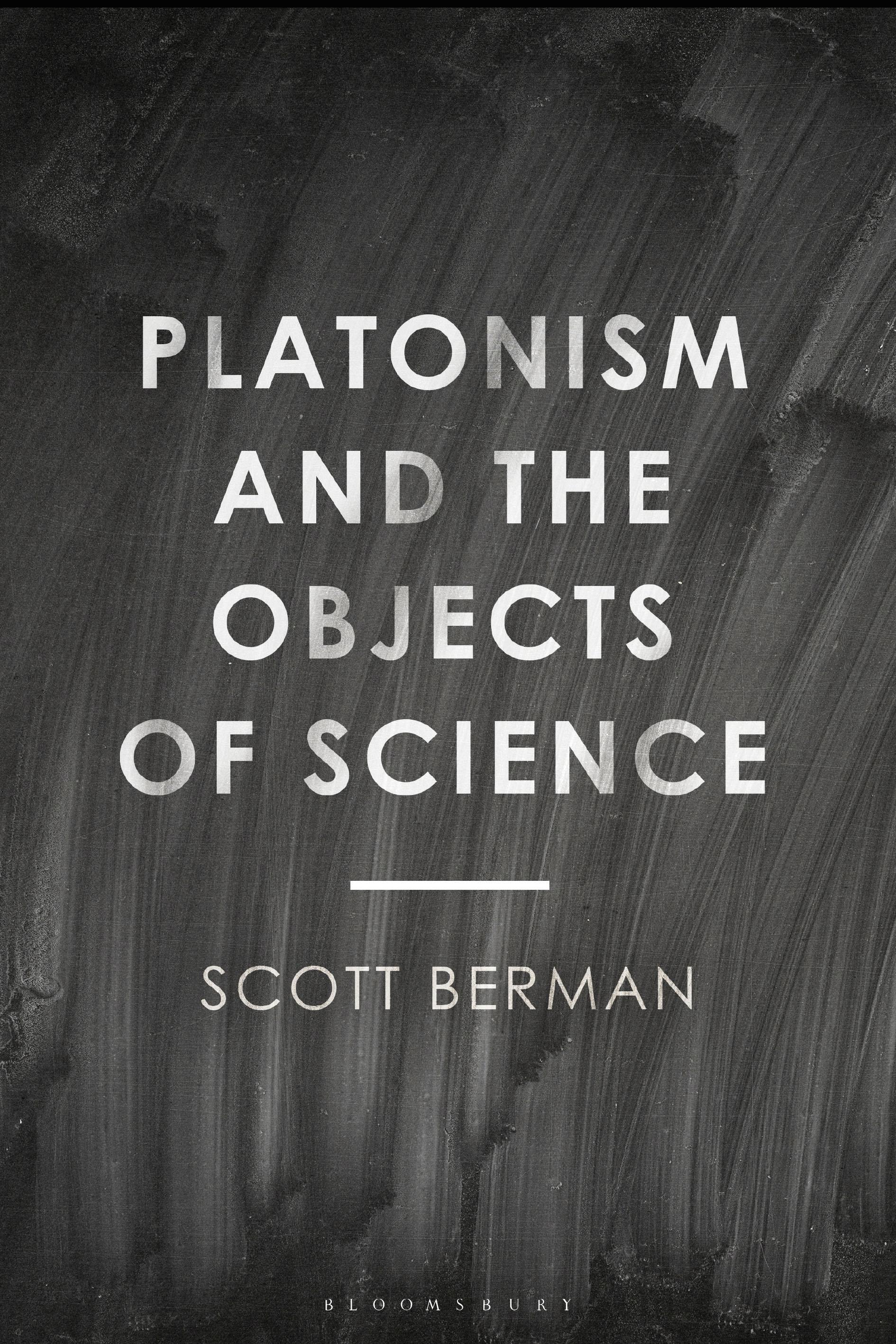
What are the objects of science? Are they just the things in our scientific experiments that are located in space and time? Or does science also require that there be additional things that are not located in space and time?
Using clear examples, these are just some of the questions that Scott Berman explores as he shows why alternative theories such as Nominalism, Contemporary Aristotelianism, Constructivism, and Classical Aristotelianism, fall short. He demonstrates why the objects of scientific knowledge need to be not located in space or time if they are to do the explanatory work scientists need them to do. The result is a contemporary version of Platonism that provides us with the best way to explain what the objects of scientific understanding are, and how those non-spatiotemporal things relate to the spatiotemporal things of scientific experiments, as well as everything around us, including even ourselves.
Using clear examples, these are just some of the questions that Scott Berman explores as he shows why alternative theories such as Nominalism, Contemporary Aristotelianism, Constructivism, and Classical Aristotelianism, fall short. He demonstrates why the objects of scientific knowledge need to be not located in space or time if they are to do the explanatory work scientists need them to do. The result is a contemporary version of Platonism that provides us with the best way to explain what the objects of scientific understanding are, and how those non-spatiotemporal things relate to the spatiotemporal things of scientific experiments, as well as everything around us, including even ourselves.
Payez facilement par carte, Klarna, Apple Pay ou Google Pay. Pas satisfait ? Vous avez toujours une garantie de remboursement de 14 jours. En savoir plus dans nos conditions. Si vous avez des questions, envoyez-nous un e-mail à hello@memmo.org.
Memmo facilite tes études, où que tu sois dans le monde. On rassemble tes manuels de cours et des outils d'étude intelligents au même endroit : résumés, quiz, podcasts et flashcards. Et il y a Ted, ton compagnon d'étude qui répond à toutes tes questions. Plus de 50 000 étudiants étudient déjà ici – conçu pour t'aider à apprendre plus vite et à moins stresser.