
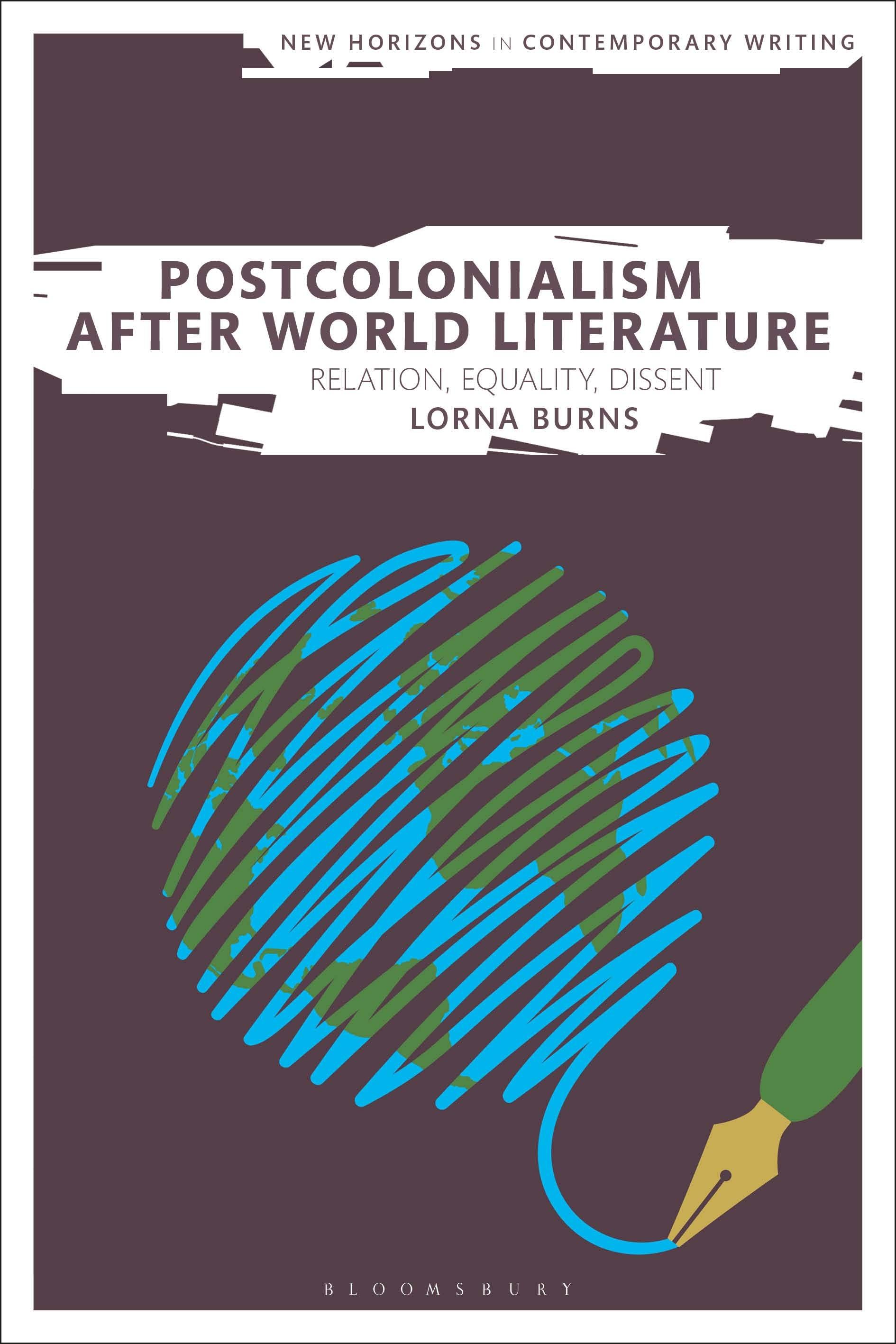
Postcolonial studies took shape in response to the nationalist and decolonization movements of the twentieth century. Today, a resurgent interest in world literature reflects an increased awareness of globalization. These twin projects are torn between a criticism that finds in the text the trace of capitalist modernity and one that accounts for the revolutionary potential of literature to challenge our global present.
Postcolonialism After World Literature exposes what is at stake in this critical choice through a line of philosophical enquiry – Bruno Latour, Gilles Deleuze, and Jacques Rancière – that poses an alternative to the materialist strand of world literary criticism pioneered by Pascale Casanova and Franco Moretti. Engaging with these theorists and others, Lorna Burns contests world-systems theory as the basis for thinking about contemporary postcolonial and world literatures, and proposes a renewed framework that promotes literature's capacity to provoke dissent; to imagine new forms of belonging and relation for both national and world citizens; and to stage the shared equality of all. Moving between theory and the novels of Roberto Bolaño, J. M. Coetzee, Kamel Daoud, Dany Laferrière, Pauline Melville, Arundhati Roy and Kamila Shamsie, Postcolonialism After World Literature presents the case for rethinking world literature in light of the legacies of postcolonialism, and for reshaping postcolonial studies in an era of world literature.
Lorna Burns is Lecturer in Postcolonial Literatures at the University of St Andrews, UK. She is the author of Contemporary Caribbean Writing and Deleuze (Bloomsbury, 2012).
Postcolonialism After World Literature exposes what is at stake in this critical choice through a line of philosophical enquiry – Bruno Latour, Gilles Deleuze, and Jacques Rancière – that poses an alternative to the materialist strand of world literary criticism pioneered by Pascale Casanova and Franco Moretti. Engaging with these theorists and others, Lorna Burns contests world-systems theory as the basis for thinking about contemporary postcolonial and world literatures, and proposes a renewed framework that promotes literature's capacity to provoke dissent; to imagine new forms of belonging and relation for both national and world citizens; and to stage the shared equality of all. Moving between theory and the novels of Roberto Bolaño, J. M. Coetzee, Kamel Daoud, Dany Laferrière, Pauline Melville, Arundhati Roy and Kamila Shamsie, Postcolonialism After World Literature presents the case for rethinking world literature in light of the legacies of postcolonialism, and for reshaping postcolonial studies in an era of world literature.
Lorna Burns is Lecturer in Postcolonial Literatures at the University of St Andrews, UK. She is the author of Contemporary Caribbean Writing and Deleuze (Bloomsbury, 2012).
Payez facilement par carte, Klarna, Apple Pay ou Google Pay. Pas satisfait ? Vous avez toujours une garantie de remboursement de 14 jours. En savoir plus dans nos conditions. Si vous avez des questions, envoyez-nous un e-mail à hello@memmo.org.
Memmo facilite tes études, où que tu sois dans le monde. On rassemble tes manuels de cours et des outils d'étude intelligents au même endroit : résumés, quiz, podcasts et flashcards. Et il y a Ted, ton compagnon d'étude qui répond à toutes tes questions. Plus de 50 000 étudiants étudient déjà ici – conçu pour t'aider à apprendre plus vite et à moins stresser.