
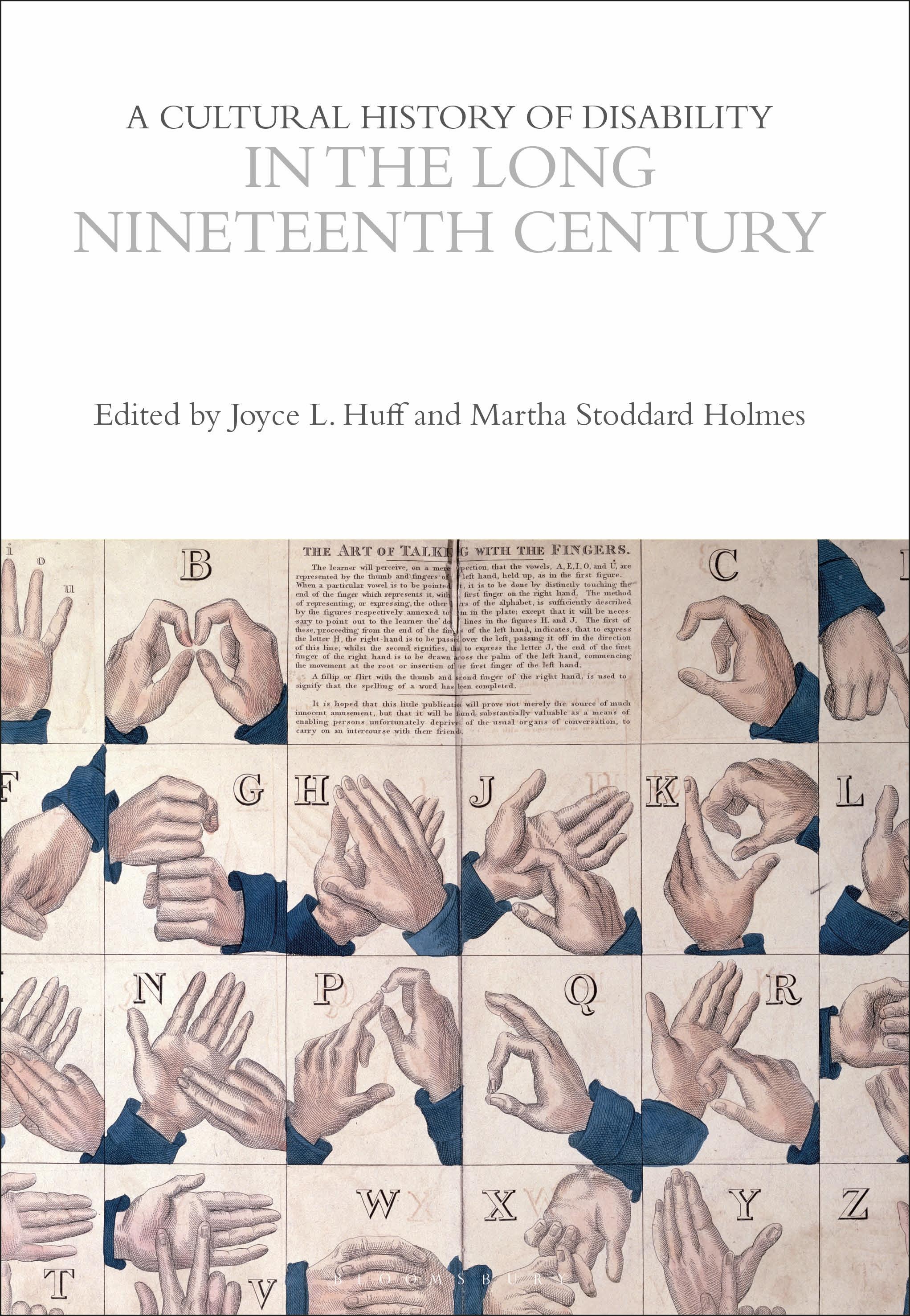
The long 19th century-stretching from the start of the American Revolution in 1776 to the end of World War I in 1918-was a pivotal period in the history of disability for the Western world and the cultures under its imperial sway. Industrialization was a major factor in the changing landscape of disability, providing new adaptive technologies and means of access while simultaneously contributing to the creation of a mass-produced environment hostile to bodies and minds that did not adhere to emerging norms. In defining disability, medical views, which framed disabilities as problems to be solved, competed with discourses from such diverse realms as religion, entertainment, education, and literature. Disabled writers and activists generated important counternarratives, made increasingly available through the spread of print culture.
An essential resource for researchers, scholars and students of history, literature, culture and education, A Cultural History of Disability in the Long Nineteenth Century includes chapters on atypical bodies, mobility impairment, chronic pain and illness, blindness, deafness, speech dysfluencies, learning difficulties, and mental health, with 37 illustrations drawn from period sources.
An essential resource for researchers, scholars and students of history, literature, culture and education, A Cultural History of Disability in the Long Nineteenth Century includes chapters on atypical bodies, mobility impairment, chronic pain and illness, blindness, deafness, speech dysfluencies, learning difficulties, and mental health, with 37 illustrations drawn from period sources.
Payez facilement par carte, Klarna, Apple Pay ou Google Pay. Pas satisfait ? Vous avez toujours une garantie de remboursement de 14 jours. En savoir plus dans nos conditions. Si vous avez des questions, envoyez-nous un e-mail à hello@memmo.org.
Memmo facilite tes études, où que tu sois dans le monde. On rassemble tes manuels de cours et des outils d'étude intelligents au même endroit : résumés, quiz, podcasts et flashcards. Et il y a Ted, ton compagnon d'étude qui répond à toutes tes questions. Plus de 50 000 étudiants étudient déjà ici – conçu pour t'aider à apprendre plus vite et à moins stresser.