
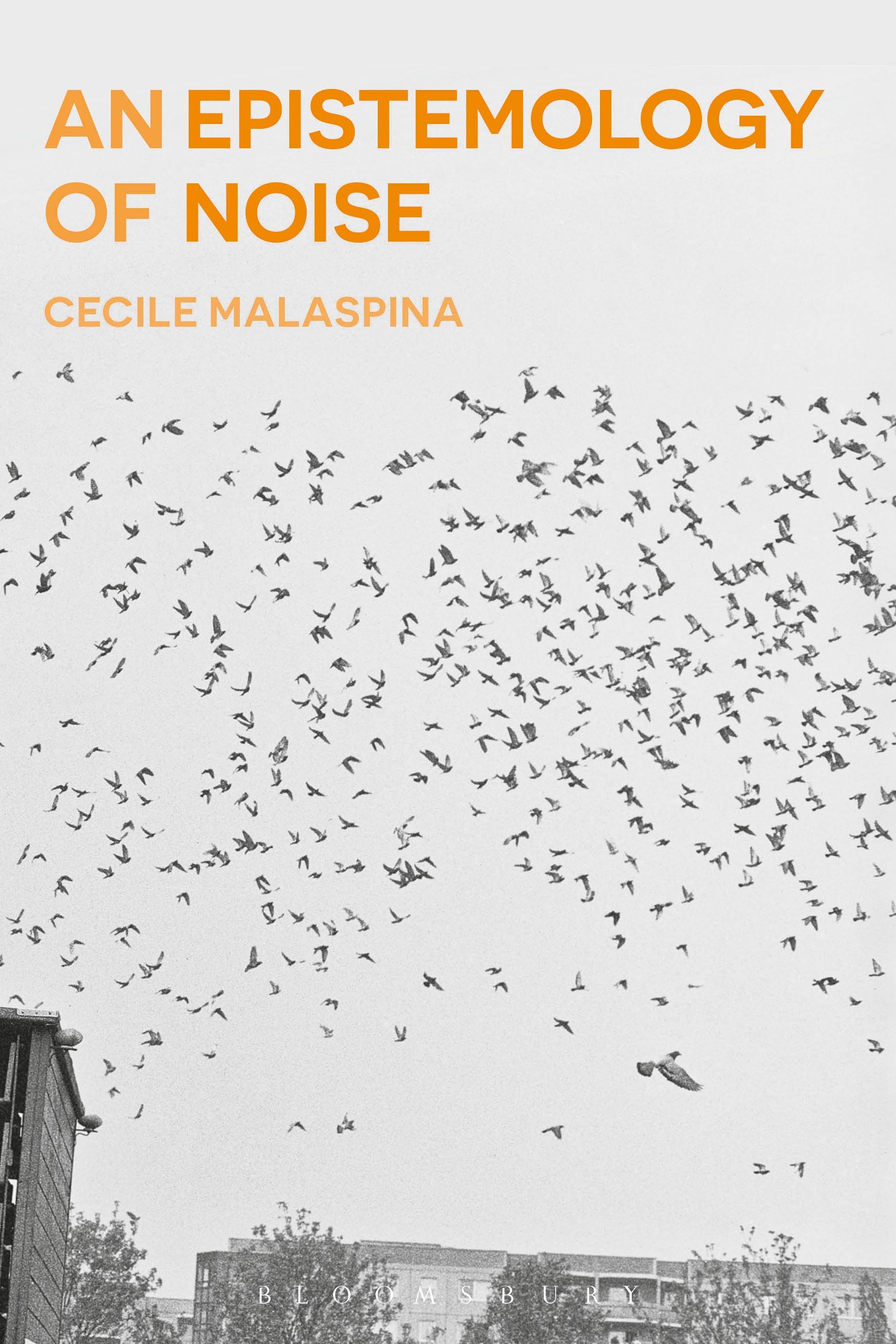
What do we understand 'noise' to be?
The term 'noise' no longer suggests only aesthetic judgement, as in acoustic or visual noise, and is now relevant to domains as varied as communication theory, physics and biology. This trans-disciplinary usage leads to confusion and complication, and reveals that the question of noise is a properly philosophical problem.
Presenting an analysis of the rising interest in the notion of noise, this book investigates if there can be a coherent understanding of what it is, that can be effectively shared among the natural and human sciences, technology and the arts. Drawing the philosophical consequences of noise for the theory of knowledge, Malaspina undertakes a philosophical revaluation of Shannon and Weaver's theory of 'information entropy'; this forms the basis upon which to challenge the common idea that noise can be reduced to notions of error, disorder or disorganization. The wider consequences of this analysis relate the technological and scientific aspect of noise, with its cultural and psycho-social aspects. At the heart of Malaspina's argument is the contestation of the ground upon which we judge and distinguish noise from information and finally the exploration of its emancipatory potential.
The term 'noise' no longer suggests only aesthetic judgement, as in acoustic or visual noise, and is now relevant to domains as varied as communication theory, physics and biology. This trans-disciplinary usage leads to confusion and complication, and reveals that the question of noise is a properly philosophical problem.
Presenting an analysis of the rising interest in the notion of noise, this book investigates if there can be a coherent understanding of what it is, that can be effectively shared among the natural and human sciences, technology and the arts. Drawing the philosophical consequences of noise for the theory of knowledge, Malaspina undertakes a philosophical revaluation of Shannon and Weaver's theory of 'information entropy'; this forms the basis upon which to challenge the common idea that noise can be reduced to notions of error, disorder or disorganization. The wider consequences of this analysis relate the technological and scientific aspect of noise, with its cultural and psycho-social aspects. At the heart of Malaspina's argument is the contestation of the ground upon which we judge and distinguish noise from information and finally the exploration of its emancipatory potential.
Payez facilement par carte, Klarna, Apple Pay ou Google Pay. Pas satisfait ? Vous avez toujours une garantie de remboursement de 14 jours. En savoir plus dans nos conditions. Si vous avez des questions, envoyez-nous un e-mail à hello@memmo.org.
Memmo facilite tes études, où que tu sois dans le monde. On rassemble tes manuels de cours et des outils d'étude intelligents au même endroit : résumés, quiz, podcasts et flashcards. Et il y a Ted, ton compagnon d'étude qui répond à toutes tes questions. Plus de 50 000 étudiants étudient déjà ici – conçu pour t'aider à apprendre plus vite et à moins stresser.