
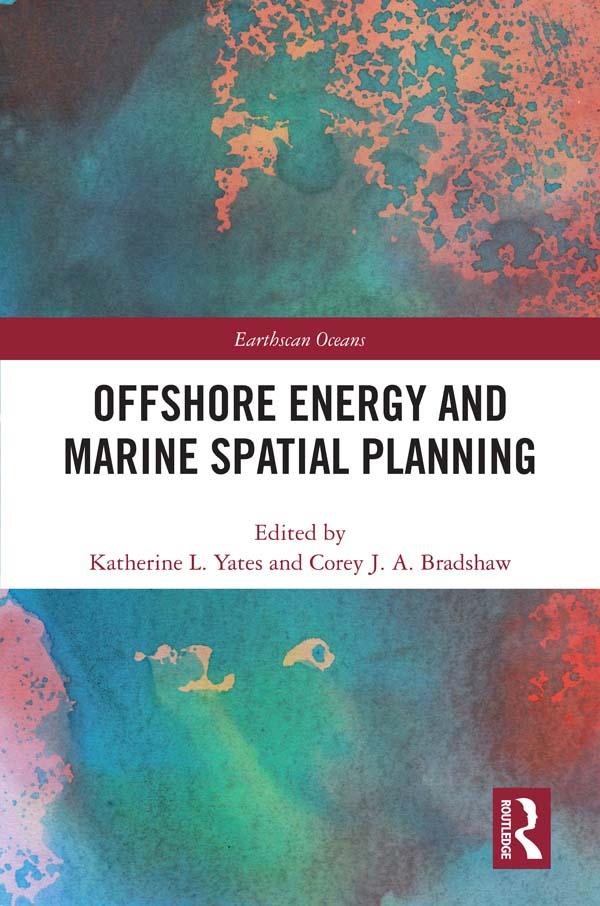
The generation of offshore energy is a rapidly growing sector, competing for space in an already busy seascape. This book brings together the ecological, economic, and social implications of the spatial conflict this growth entails. Covering all energy-generation types (wind, wave, tidal, oil, and gas), it explores the direct and indirect impacts the growth of offshore energy generation has on both the marine environment and the existing uses of marine space.
Chapters explore main issues associated with offshore energy, such as the displacement of existing activities and the negative impacts it can have on marine species and ecosystems. Chapters also discuss how the growth of offshore energy generation presents new opportunities for collaboration and co-location with other sectors, for example, the co-location of wild-capture fisheries and wind farms.
The book integrates these issues and opportunities, and demonstrates the importance of holistic marine spatial planning for optimising the location of offshore energy-generation sites. It highlights the importance of stakeholder engagement in these planning processes and the role of integrated governance, with illustrative case studies from the United States, United Kingdom, northern Europe, and the Mediterranean. It also discusses trade-off analysis and decision theory and provides a range of tools and best practices to inform future planning processes.
Payez facilement par carte, Klarna, Apple Pay ou Google Pay. Pas satisfait ? Vous avez toujours une garantie de remboursement de 14 jours. En savoir plus dans nos conditions. Si vous avez des questions, envoyez-nous un e-mail à hello@memmo.org.
Memmo facilite tes études, où que tu sois dans le monde. On rassemble tes manuels de cours et des outils d'étude intelligents au même endroit : résumés, quiz, podcasts et flashcards. Et il y a Ted, ton compagnon d'étude qui répond à toutes tes questions. Plus de 50 000 étudiants étudient déjà ici – conçu pour t'aider à apprendre plus vite et à moins stresser.