
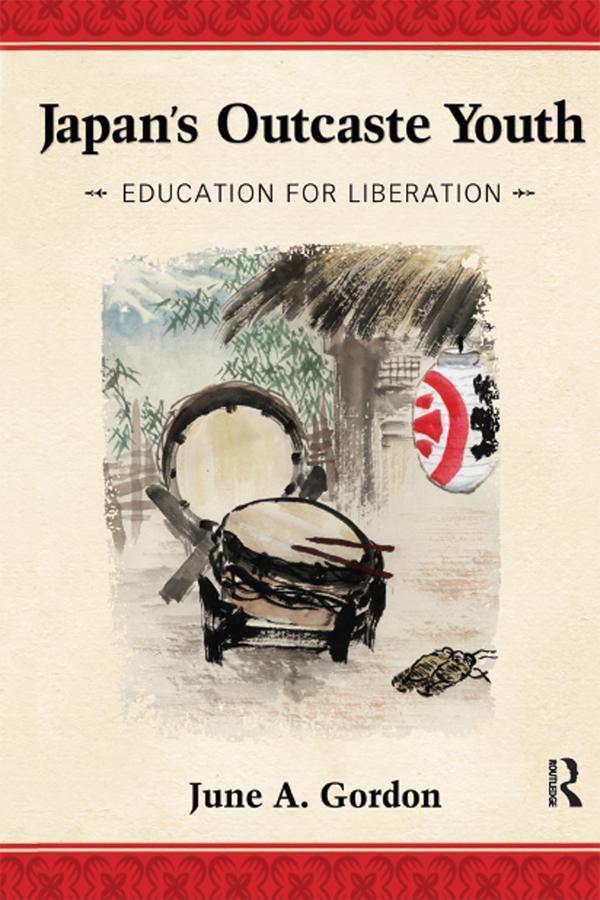
Japan's attempt to project to the world an image of solid middle-class national identity is challenged by the Burakumin, an outcaste group of indigenous Japanese citizens who have been subjugated for centuries to political, economic, and religious discrimination. In the 1960s the efforts of this group and its supporters led to a 40-year national program of economic aid and educational programs designed to move these people out of poverty and increase life options. These programs, recently terminated, have left the Burakumin and other marginalized groups uncertain of their future. Based on ten years of ethnographic inquiry, Gordon's book explores the views of educators and activists caught in this period of transition after having their lives and careers shaped by the political demands of a liberation movement dedicated to achieving educational equity for the Burakumin and their disadvantaged neighbors. Gordon provides the context of the efforts to achieve the human rights of the Burakumin and the complexity of their identity in a Japanese society struggling with economic and demographic globalization.
Payez facilement par carte, Klarna, Apple Pay ou Google Pay. Pas satisfait ? Vous avez toujours une garantie de remboursement de 14 jours. En savoir plus dans nos conditions. Si vous avez des questions, envoyez-nous un e-mail à hello@memmo.org.
Memmo facilite tes études, où que tu sois dans le monde. On rassemble tes manuels de cours et des outils d'étude intelligents au même endroit : résumés, quiz, podcasts et flashcards. Et il y a Ted, ton compagnon d'étude qui répond à toutes tes questions. Plus de 50 000 étudiants étudient déjà ici – conçu pour t'aider à apprendre plus vite et à moins stresser.
Tu pourrais aussi aimer
Acheter le livre0