
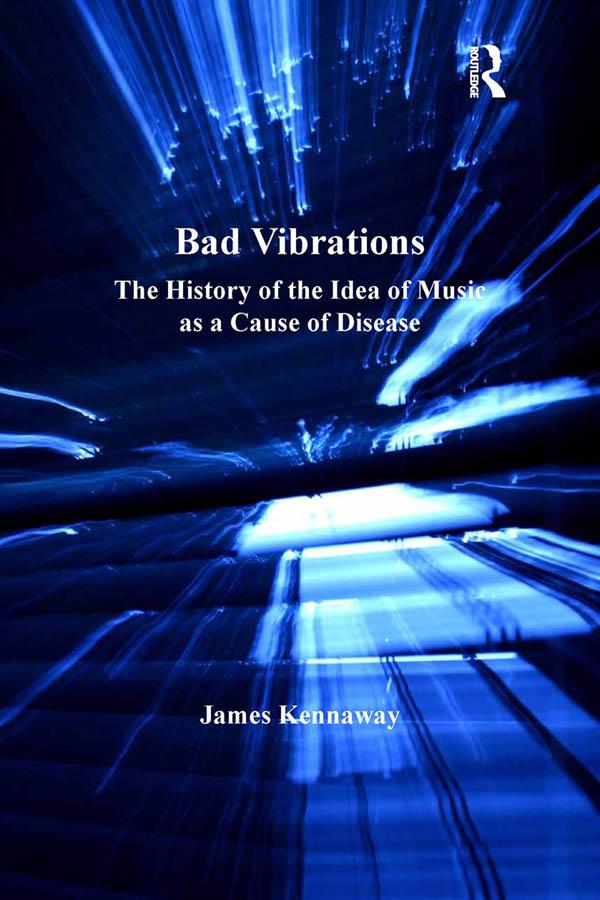
Music has been used as a cure for disease since as far back as King David's lyre, but the notion that it might be a serious cause of mental and physical illness was rare until the late eighteenth century. At that time, physicians started to argue that excessive music, or the wrong kind of music, could over-stimulate a vulnerable nervous system, leading to illness, immorality and even death. Since then there have been successive waves of moral panics about supposed epidemics of musical nervousness, caused by everything from Wagner to jazz and rock 'n' roll. It was this medical and critical debate that provided the psychiatric rhetoric of "degenerate music" that was the rationale for the persecution of musicians in Nazi Germany and the Soviet Union. By the 1950s, the focus of medical anxiety about music shifted to the idea that "musical brainwashing" and "subliminal messages" could strain the nerves and lead to mind control, mental illness and suicide. More recently, the prevalence of sonic weapons and the use of music in torture in the so-called War on Terror have both made the subject of music that is bad for the health worryingly topical. This book outlines and explains the development of this idea of pathological music from the Enlightenment until the present day, providing an original contribution to the history of medicine, music and the body.
Payez facilement par carte, Klarna, Apple Pay ou Google Pay. Pas satisfait ? Vous avez toujours une garantie de remboursement de 14 jours. En savoir plus dans nos conditions. Si vous avez des questions, envoyez-nous un e-mail à hello@memmo.org.
Memmo facilite tes études, où que tu sois dans le monde. On rassemble tes manuels de cours et des outils d'étude intelligents au même endroit : résumés, quiz, podcasts et flashcards. Et il y a Ted, ton compagnon d'étude qui répond à toutes tes questions. Plus de 50 000 étudiants étudient déjà ici – conçu pour t'aider à apprendre plus vite et à moins stresser.
Tu pourrais aussi aimer
Acheter le livre0