
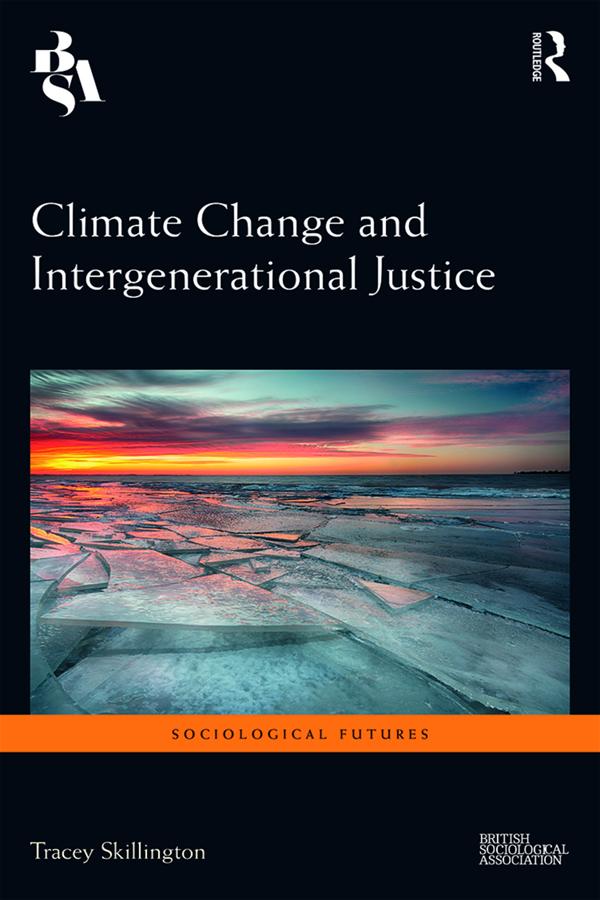
Synonymous with catastrophe and destructive tendencies, the Anthropocene provokes reflection on the limits of existing applications of ideas of responsibility, ecological agency and democratic justice. Youth campaigners, in particular, make emerging insights on the Anthropocene of central importance to an intersubjectively generated redefinition of the just society of the future. Given their span of affectedness, escalating rates of greenhouse gas emissions shape the ecological circumstances of generations to come and implicate them in harm relations they had no hand in creating. The realization is that human-inspired climate-destructive practices reverberate across plural time frames, thereby raising serious questions about the value of conventional interpretations of the copresence of sources of climate harm and their effects on the health and environmental living standards of all peoples. If injuries provoked by environmental degradation emerge across multiple time frames and affect generations differentially, where do we draw the boundaries of the just society, and how do we identify its most relevant subjects?
This book explores how such questions have ignited one of the most important debates on democratic justice in recent years – that between generations. For mobilized youth and future justice coalitions campaigning internationally, expanding resource inequalities (regionally and intergenerationally) are fundamentally issues of unfair exclusions and asymmetries in relations of power between generations. The book offers a comprehensive overview of new insights being generated through such debate on the limitations of democratic presentism, as well as current institutional applications of civil and human rights norms. It assesses overall how the metapolitical relevance of modernity’s democratic project is being creatively redefined in terms more relevant to Anthropocene futures.
Payez facilement par carte, Klarna, Apple Pay ou Google Pay. Pas satisfait ? Vous avez toujours une garantie de remboursement de 14 jours. En savoir plus dans nos conditions. Si vous avez des questions, envoyez-nous un e-mail à hello@memmo.org.
Memmo facilite tes études, où que tu sois dans le monde. On rassemble tes manuels de cours et des outils d'étude intelligents au même endroit : résumés, quiz, podcasts et flashcards. Et il y a Ted, ton compagnon d'étude qui répond à toutes tes questions. Plus de 50 000 étudiants étudient déjà ici – conçu pour t'aider à apprendre plus vite et à moins stresser.