
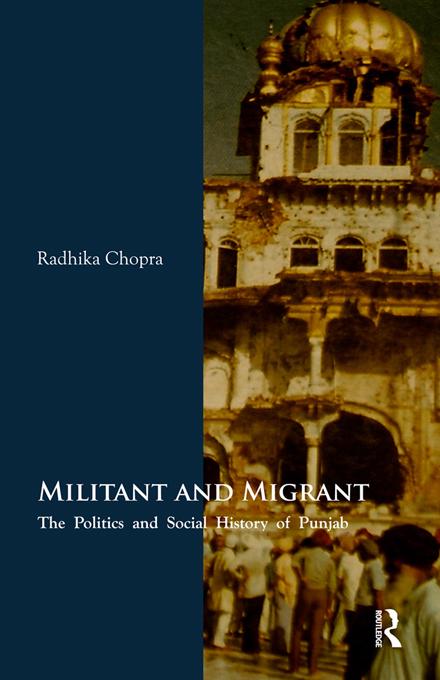
This book is a study of the transformations in Punjab created by biotechnological revolutions, economic restructuring, persistent migrations, and political upheaval in the late 20th century. The sacred centre at Amritsar, the transnational settlement of Southall and a Doaba village form the terrain for this — three sites that can seen as metonymic spaces of identity that transcend geographic boundaries, and form the structure of this book.
Relations between the rural, the sacred and the transnational, fostered through migration, marriage and material exchange, existed well before 1984. After 1984, however, and through the violent decades of the militancy period, these three locations became connected via the circulation of political ideologies, violent deaths, financial aid, a sense of disaffection, and the migration of men. Analysis of the linkages between transnational migration and religious revival is a key theme of this study.
Conversely, the enhanced engagements of the diaspora with homeland politics became a source of support and created sanctuary spaces for political asylum seekers and transnational migrant labour. Re-analysing existing material and drawing on fieldwork-based interviews, as well as local history archives, the book presents a different framework to analyse the politics and social history of Punjab.
Payez facilement par carte, Klarna, Apple Pay ou Google Pay. Pas satisfait ? Vous avez toujours une garantie de remboursement de 14 jours. En savoir plus dans nos conditions. Si vous avez des questions, envoyez-nous un e-mail à hello@memmo.org.
Memmo facilite tes études, où que tu sois dans le monde. On rassemble tes manuels de cours et des outils d'étude intelligents au même endroit : résumés, quiz, podcasts et flashcards. Et il y a Ted, ton compagnon d'étude qui répond à toutes tes questions. Plus de 50 000 étudiants étudient déjà ici – conçu pour t'aider à apprendre plus vite et à moins stresser.