
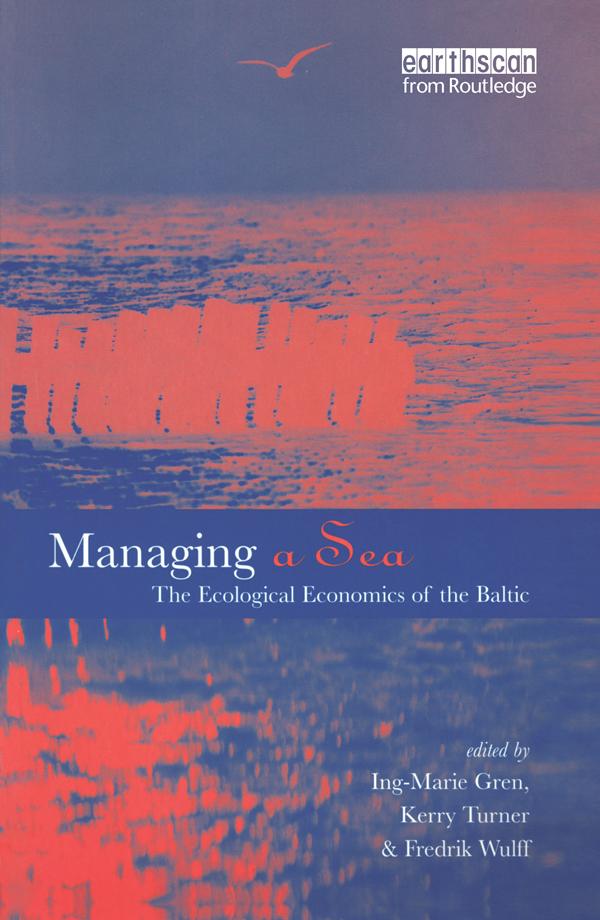
Marine resources and fish stocks are now high on the international and economic research agendas, and the management of highly complex marine ecosystems is increasingly important. The task is complicated by the number of interlinked factors to be taken into account, such as social impacts, drainage systems, marine currents and the ecosystems involved.
This interdisciplinary volume presents a comprehensive blueprint for managing a sea. Focused on the Baltic Sea, it employs a range of methods and techniques, including nutrient budgets and simulation models, Geographical Information Systems (GIS), economic valuation and policy analysis, to arrive at an assessment of causes and consequences of pollution in the sea and the management of its resources.
From the analysis of data on land use, population, costs of nutrient reductions and associated impacts, it presents significant and highly practical empirical and policy results. It diagnoses the causes of marine degradation, identifies through the use of simulation models cost-effective strategies for remediation and sets out the policies to be pursued collectively by the countries around the sea to restore and manage their common resource.
This is an exemplary study in the application of ecological economics to complex natural resource systems. It will be of interest to students, researchers and professionals working on any aspect of marine ecosystem management.
Payez facilement par carte, Klarna, Apple Pay ou Google Pay. Pas satisfait ? Vous avez toujours une garantie de remboursement de 14 jours. En savoir plus dans nos conditions. Si vous avez des questions, envoyez-nous un e-mail à hello@memmo.org.
Memmo facilite tes études, où que tu sois dans le monde. On rassemble tes manuels de cours et des outils d'étude intelligents au même endroit : résumés, quiz, podcasts et flashcards. Et il y a Ted, ton compagnon d'étude qui répond à toutes tes questions. Plus de 50 000 étudiants étudient déjà ici – conçu pour t'aider à apprendre plus vite et à moins stresser.