
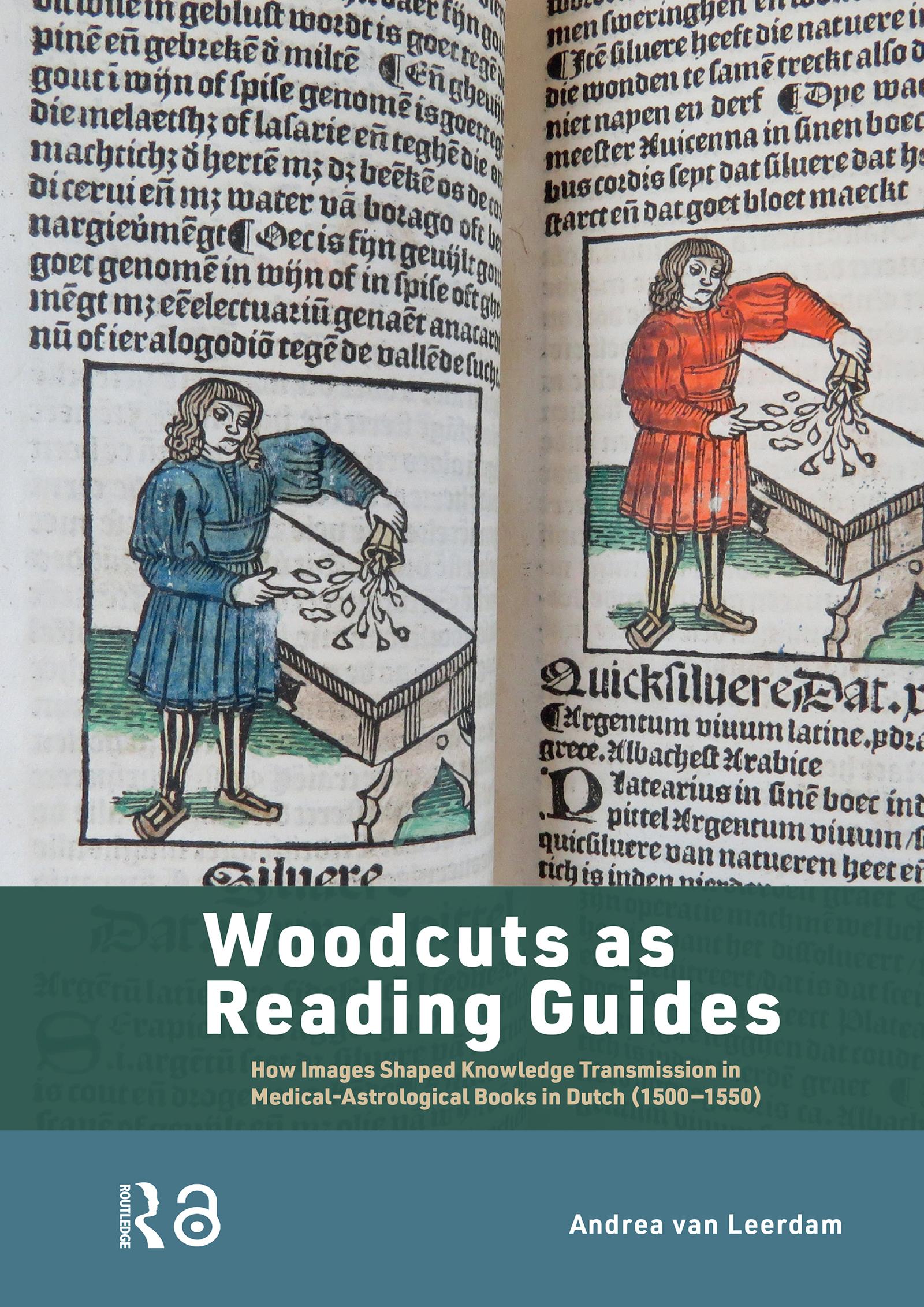
In the first half of the sixteenth century, the Low Countries saw the rise of a lively market for practical and instructive books that targeted non-specialist readers. This study shows how woodcuts in vernacular books on medicine and astrology fulfilled important rhetorical functions in knowledge communication. These images guided readers’ perceptions of the organisation, visualisation, and reliability of knowledge. Andrea van Leerdam uncovers the assumptions and intentions of book producers to which images testify, and shows how actual readers engaged with these illustrated books. Drawing on insights from the field of information design studies, she scrutinises the books’ material characteristics, including their lay-outs and traces of use, to shed light on the habits and interests of early modern readers. She situates these works in a culture where medicine and astrology were closely interwoven in daily life and where both book producers and readers were exploring the potential of images.
Payez facilement par carte, Klarna, Apple Pay ou Google Pay. Pas satisfait ? Vous avez toujours une garantie de remboursement de 14 jours. En savoir plus dans nos conditions. Si vous avez des questions, envoyez-nous un e-mail à hello@memmo.org.
Memmo facilite tes études, où que tu sois dans le monde. On rassemble tes manuels de cours et des outils d'étude intelligents au même endroit : résumés, quiz, podcasts et flashcards. Et il y a Ted, ton compagnon d'étude qui répond à toutes tes questions. Plus de 50 000 étudiants étudient déjà ici – conçu pour t'aider à apprendre plus vite et à moins stresser.
Tu pourrais aussi aimer
Acheter le livre0