
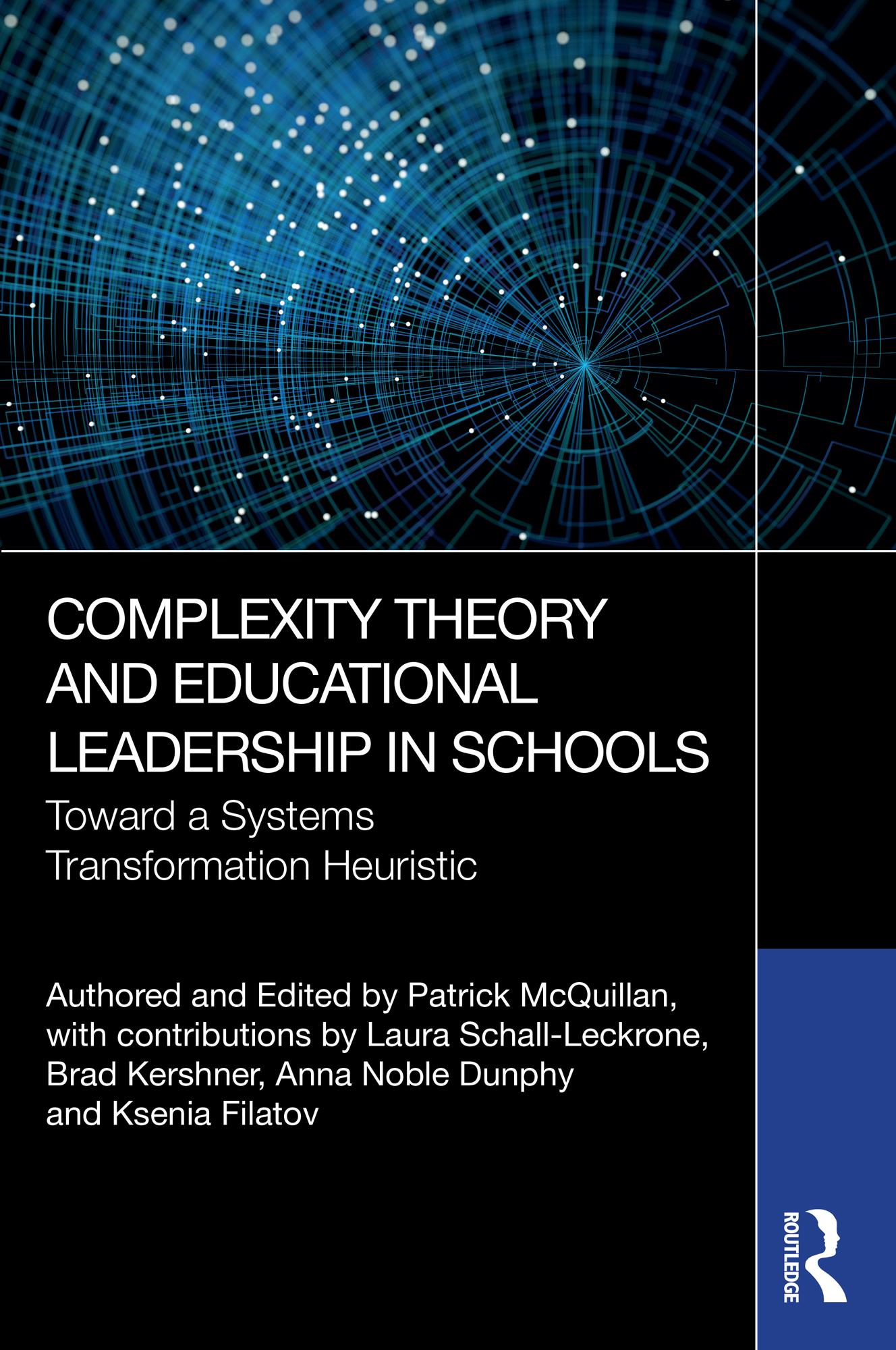
The research in this volume draws on aspects of complexity theory and its integral link to systems performance to propose a new method for combatting the longstanding opportunity gap and related underperformance of so many underserved students in the American educational system.
Through a longitudinal case study of the Lynch Leadership Academy at Boston College, this research considers the initial conditions and related disequilibrium principals experienced, the degree to which principals shared power and authority within their school context, and the extent to which they generated a shared school culture founded on collaboration and systematic reflection. From these data, the authors create a detailed picture of the Academy and its impact on the principals and their schools, using a new analytic tool called the “systems transformation heuristic," designed by the authors to quantify the qualitative dimensions of a school’s efforts to enact adaptive change consistent with the complex adaptive system metaphor.
As such, it offers a new foundation for conceptualizing ongoing systems change, as well as a fresh model for school personnel to consider their experience from concrete, intertwined, and unique points of view. It will appeal to scholars, researchers, and practitioners with interests in educational leadership, complexity theory, urban education, and social justice.
Payez facilement par carte, Klarna, Apple Pay ou Google Pay. Pas satisfait ? Vous avez toujours une garantie de remboursement de 14 jours. En savoir plus dans nos conditions. Si vous avez des questions, envoyez-nous un e-mail à hello@memmo.org.
Memmo facilite tes études, où que tu sois dans le monde. On rassemble tes manuels de cours et des outils d'étude intelligents au même endroit : résumés, quiz, podcasts et flashcards. Et il y a Ted, ton compagnon d'étude qui répond à toutes tes questions. Plus de 50 000 étudiants étudient déjà ici – conçu pour t'aider à apprendre plus vite et à moins stresser.