
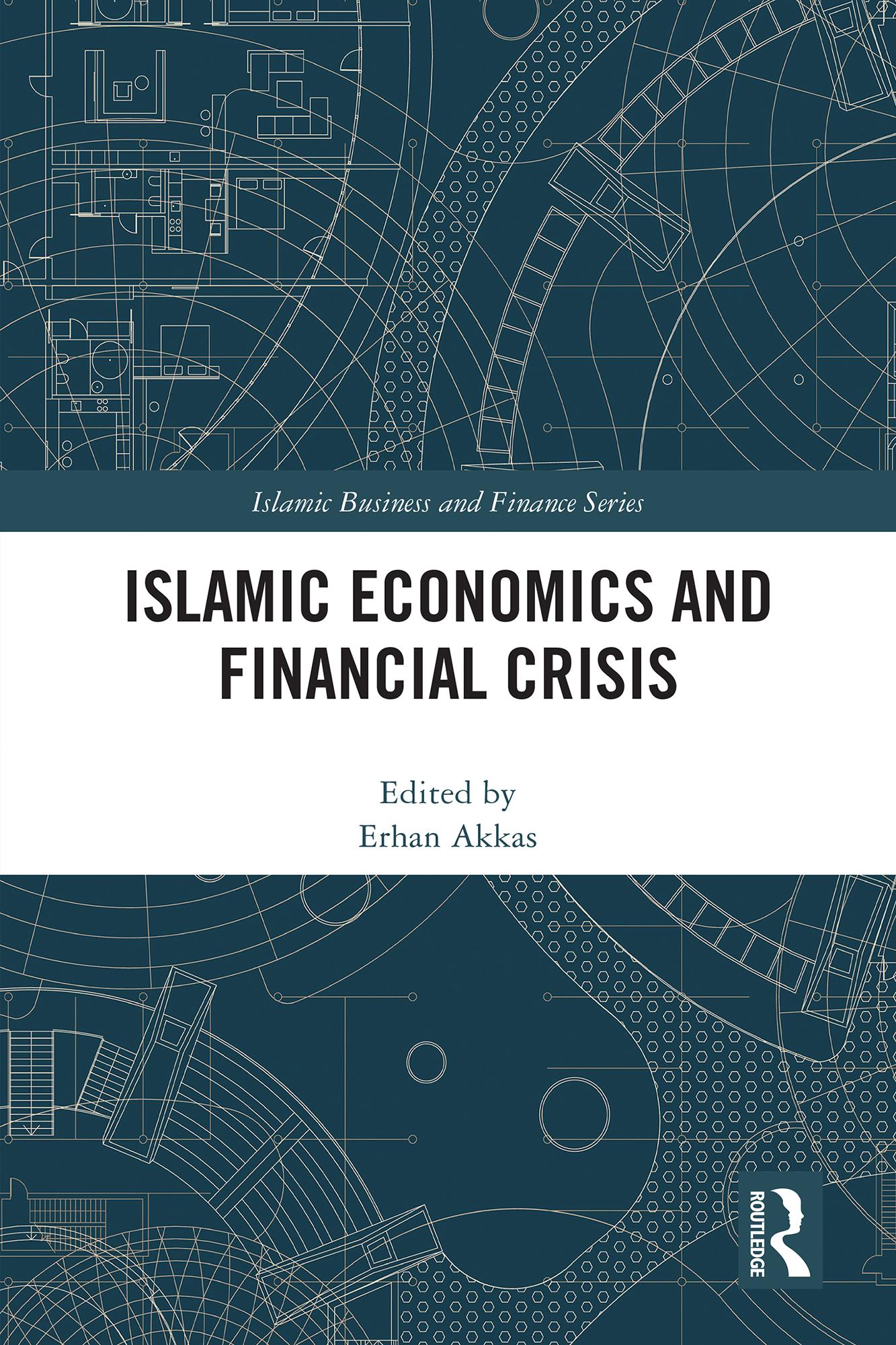
This book explores the causes of the current economic crisis, evaluates the foundational principles of capitalism that contribute to crises, and investigates how an Islamic economic and banking system could play a role in fostering global stability.
It includes theoretical and empirical analysis and assesses the resilience of the Islamic economic system and Islamic financial institutions in the face of economic and financial crises, with a particular focus on Organisation of Islamic Cooperation (OIC) member countries. Furthermore, the effects of these crises on income and wealth distribution are discussed. The book compares Islamic and conventional economics in response to economic crises, both across countries and financial institutions and provides a brief analysis of financial crises from a theoretical point of view, examining various approaches. It addresses the issue of the relevance of all these theories in relation to the present crisis and draws useful policy implications. Thereafter, it discusses how the Islamic financial system could serve to mitigate the occurrence of a financial crisis, since the prohibition of riba, maysir, and gharar transactions offers a solution to financial crisis from speculative bubbles and crash. It also discusses some of the challenges facing the Islamic finance industry.
This is a useful guide for researchers and advanced students of Islamic Economics and Finance.
Payez facilement par carte, Klarna, Apple Pay ou Google Pay. Pas satisfait ? Vous avez toujours une garantie de remboursement de 14 jours. En savoir plus dans nos conditions. Si vous avez des questions, envoyez-nous un e-mail à hello@memmo.org.
Memmo facilite tes études, où que tu sois dans le monde. On rassemble tes manuels de cours et des outils d'étude intelligents au même endroit : résumés, quiz, podcasts et flashcards. Et il y a Ted, ton compagnon d'étude qui répond à toutes tes questions. Plus de 50 000 étudiants étudient déjà ici – conçu pour t'aider à apprendre plus vite et à moins stresser.