
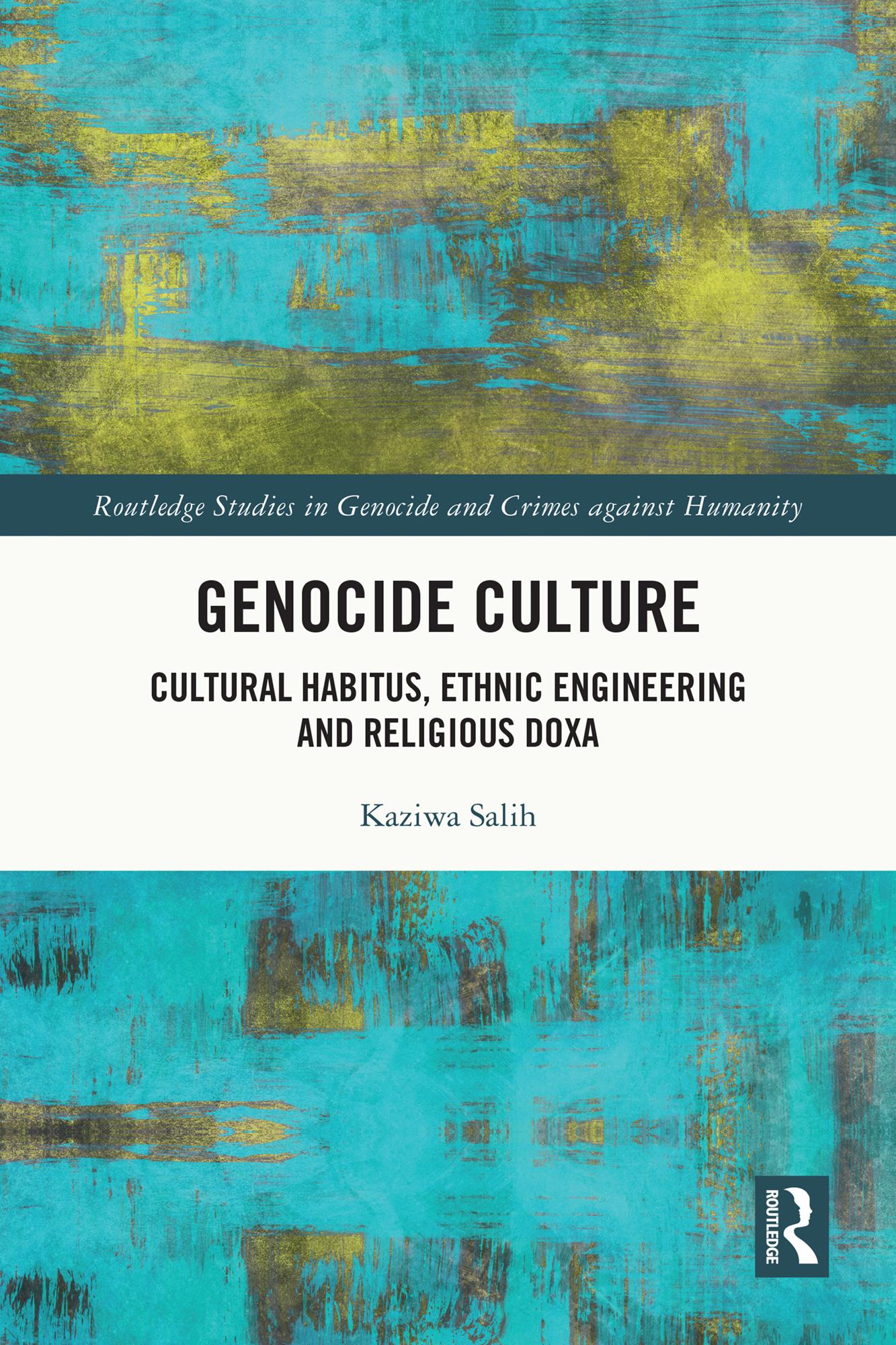
This book considers different stages of Kurdish history, oppression, and genocide through a critical lens, offering an historiography of Iraq and colonialism. Divided into two parts, the first part conceptualizes the coined term “genocide culture” and examines dominant Iraqi cultural practices that fostered genocide. The second part contextualizes the experiences of the Kurdish community to examine the effects of cultural practices and the role of “civilian actors” in fueling the extermination of targeted groups.
Through semi-structured interviews, primary archival documents, and nonparticipant observation, the author studies the links between everyday cultural practices and microaggression in general and the nexus between the state and the general population in the implementation of macroaggression and genocide. The audience will include scholars and students interested in genocide studies and the relation of both genocide and culture to histories of colonialism, as well as those working in the fields of violence and cultural psychology, sociology, history, international relations, ethnic conflict, and Middle Eastern studies.
Payez facilement par carte, Klarna, Apple Pay ou Google Pay. Pas satisfait ? Vous avez toujours une garantie de remboursement de 14 jours. En savoir plus dans nos conditions. Si vous avez des questions, envoyez-nous un e-mail à hello@memmo.org.
Memmo facilite tes études, où que tu sois dans le monde. On rassemble tes manuels de cours et des outils d'étude intelligents au même endroit : résumés, quiz, podcasts et flashcards. Et il y a Ted, ton compagnon d'étude qui répond à toutes tes questions. Plus de 50 000 étudiants étudient déjà ici – conçu pour t'aider à apprendre plus vite et à moins stresser.