
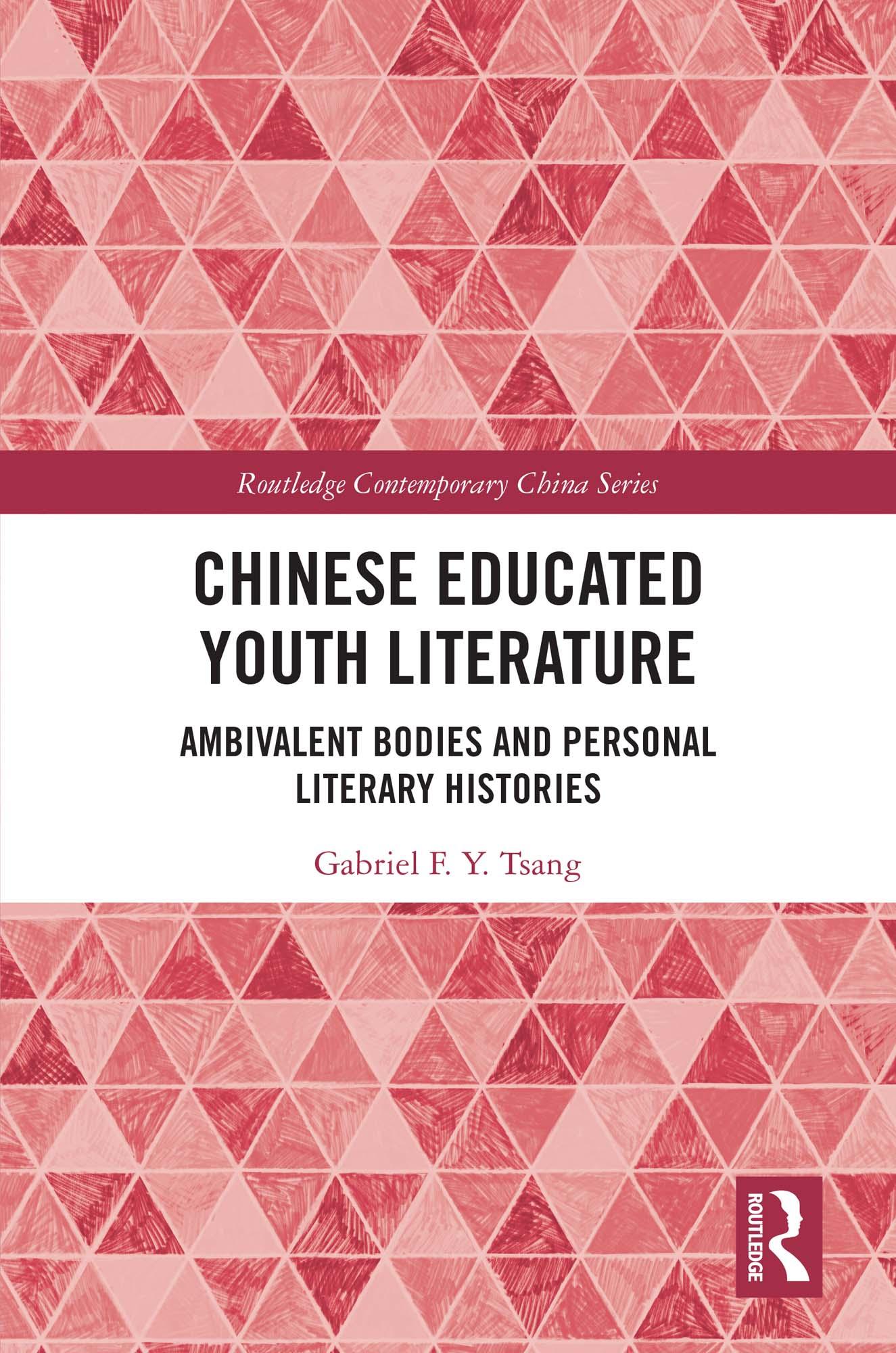
This book explores the literary history of the zhiqing, Chinese educated youth, during the liberal 1980s era of the PRC.
By incorporating personal experiences, literary representation, shared history, and theory, it argues that attention to bodies’ physical/physiological condition, as represented in their fictional works, can reveal their attitudes toward the shifting and anomalous socio-political environments, both at the time of their rustication in Mao Zedong’s era and at the time of writing about their experiences in Deng Xiaoping’s cities. It highlights the ideological transformation of educated youth writers’ malleable fictional bodies, which preserved and encoded their private ambivalence and dynamic compromises with political and literary dilemmas. By studying these "fictional bodies," this book deciphers the specific significance of labor, hunger, disability, and sexuality, negating the simplification of the fabricated embodiment as only containing and delivering iconoclastic spirit, sincere patriotism, personal struggle, socialist ideological control, and feminine self-consciousness.
Exploring the community of Chinese educated youth, of which Xi Jinping was one, this will be a valuable resource to students and scholars of Comparative literature, Modern Chinese literature, and Modern Chinese history.
Payez facilement par carte, Klarna, Apple Pay ou Google Pay. Pas satisfait ? Vous avez toujours une garantie de remboursement de 14 jours. En savoir plus dans nos conditions. Si vous avez des questions, envoyez-nous un e-mail à hello@memmo.org.
Memmo facilite tes études, où que tu sois dans le monde. On rassemble tes manuels de cours et des outils d'étude intelligents au même endroit : résumés, quiz, podcasts et flashcards. Et il y a Ted, ton compagnon d'étude qui répond à toutes tes questions. Plus de 50 000 étudiants étudient déjà ici – conçu pour t'aider à apprendre plus vite et à moins stresser.