
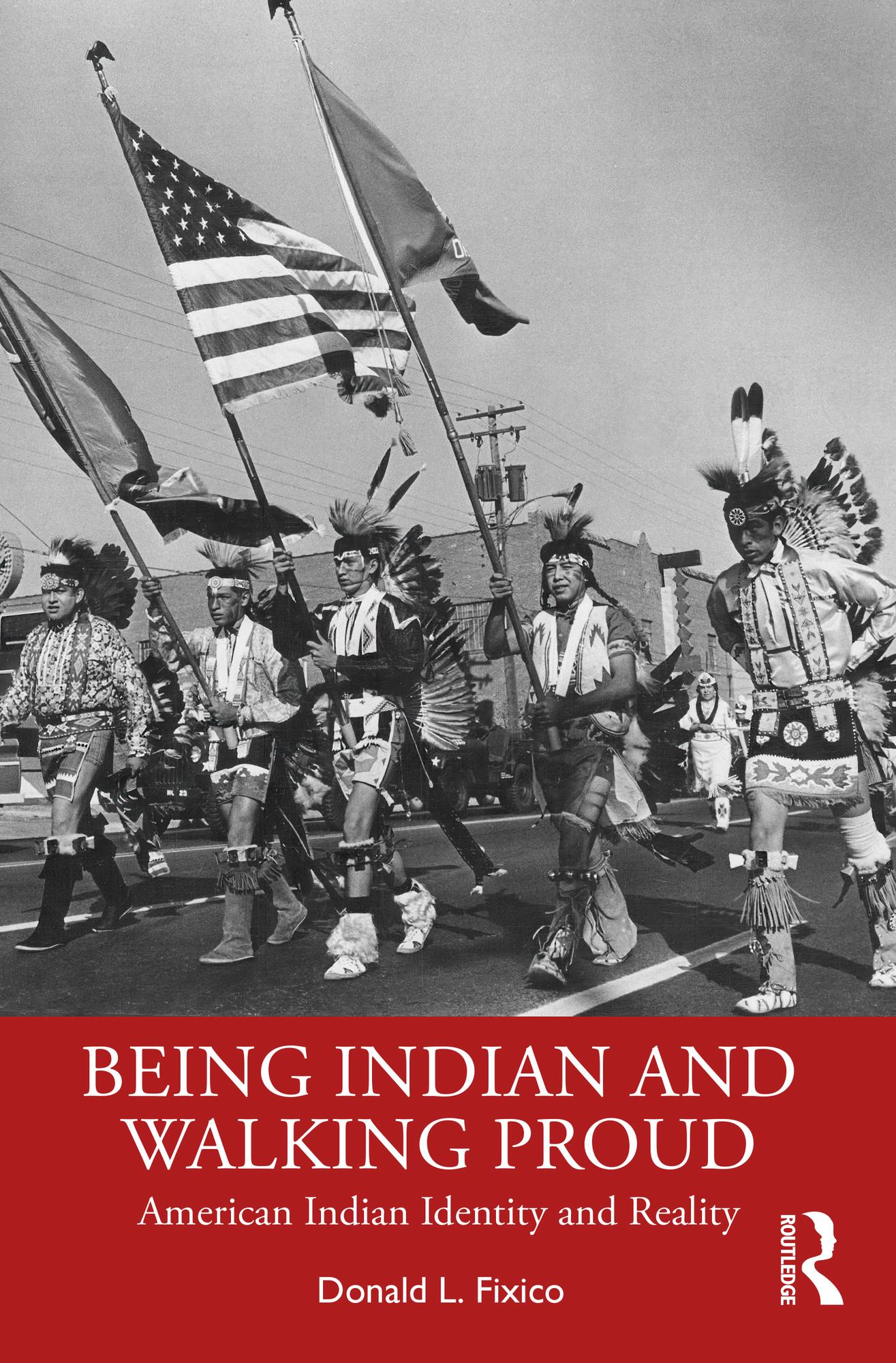
This book explores the identity of American Indians from an Indigenous perspective and how outside influences throughout history, from the arrival of Columbus in 1492 to the twenty-first century, have affected Native people.
Non-Native writers, boarding school teachers, movie directors, bureaucrats, churches, and television have all heavily impacted how Indians are viewed in the United States. Drawing on the life experiences of many American Indian men and women, this volume reveals how American Indian identity comprises multiple identities, including the noble savage, wild savage, Hollywood Indian, church-going Indian, rez Indian, urban Indian, Native woman, Indian activist, casino Indian, and tribal leader. Indigenous people, in their own voices, share their experiences of discrimination, being treated as outsiders in their own country, and the intersections of gender, culture, and politics in Indian-white relations. Yet the book also highlights the resilience of being Indian and the pride felt from being a member of a tribe(s), knowing your relatives, and feeling connected to the earth.
Being Indian and Walking Proud is a compelling resource for any reader interested in Indigenous history, including students and scholars in Native American and Indigenous studies, anthropology, and American history.
Payez facilement par carte, Klarna, Apple Pay ou Google Pay. Pas satisfait ? Vous avez toujours une garantie de remboursement de 14 jours. En savoir plus dans nos conditions. Si vous avez des questions, envoyez-nous un e-mail à hello@memmo.org.
Memmo facilite tes études, où que tu sois dans le monde. On rassemble tes manuels de cours et des outils d'étude intelligents au même endroit : résumés, quiz, podcasts et flashcards. Et il y a Ted, ton compagnon d'étude qui répond à toutes tes questions. Plus de 50 000 étudiants étudient déjà ici – conçu pour t'aider à apprendre plus vite et à moins stresser.