
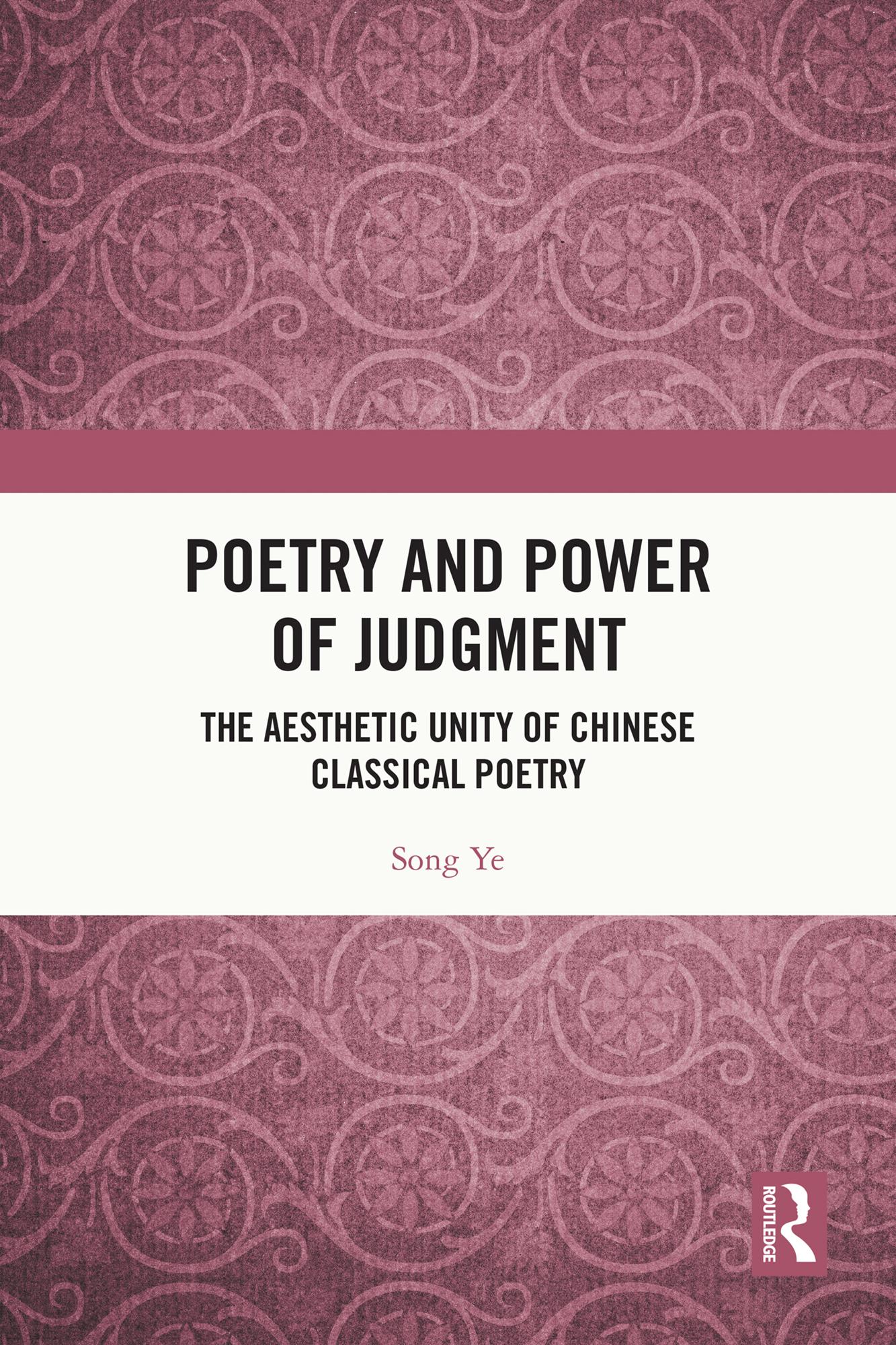
This book examines Chinese traditional poetry with an emphasis on the sources of pleasure in creating and appreciating classical Chinese poems and the basis for valid aesthetic judgments about poetry.
The pleasure derived from art plays a crucial role in people’s evaluation of its worth. This book shows that Chinese classical poetics and Western aesthetics agree on the sources of aesthetic pleasure. Both hold, despite their obvious differences, that aesthetic taste essentially involves cognition. The book explores important ideas in traditional Chinese poetry, emphasizing that “Poetry is founded upon the power of judgement (shi).” This central idea guides other key concepts throughout the history of Chinese poetics, revealing the fundamental principles of creating and appreciating poetic art. The author presents new views of traditional Chinese poetry and poetics by unifying these long-dispersed basic propositions into a new coherent cognitivist framework that also gives due importance to emotion.
Scholars and students studying Chinese literature, poetics, philosophy of art, and philosophy of mind will find this book interesting.
Payez facilement par carte, Klarna, Apple Pay ou Google Pay. Pas satisfait ? Vous avez toujours une garantie de remboursement de 14 jours. En savoir plus dans nos conditions. Si vous avez des questions, envoyez-nous un e-mail à hello@memmo.org.
Memmo facilite tes études, où que tu sois dans le monde. On rassemble tes manuels de cours et des outils d'étude intelligents au même endroit : résumés, quiz, podcasts et flashcards. Et il y a Ted, ton compagnon d'étude qui répond à toutes tes questions. Plus de 50 000 étudiants étudient déjà ici – conçu pour t'aider à apprendre plus vite et à moins stresser.