
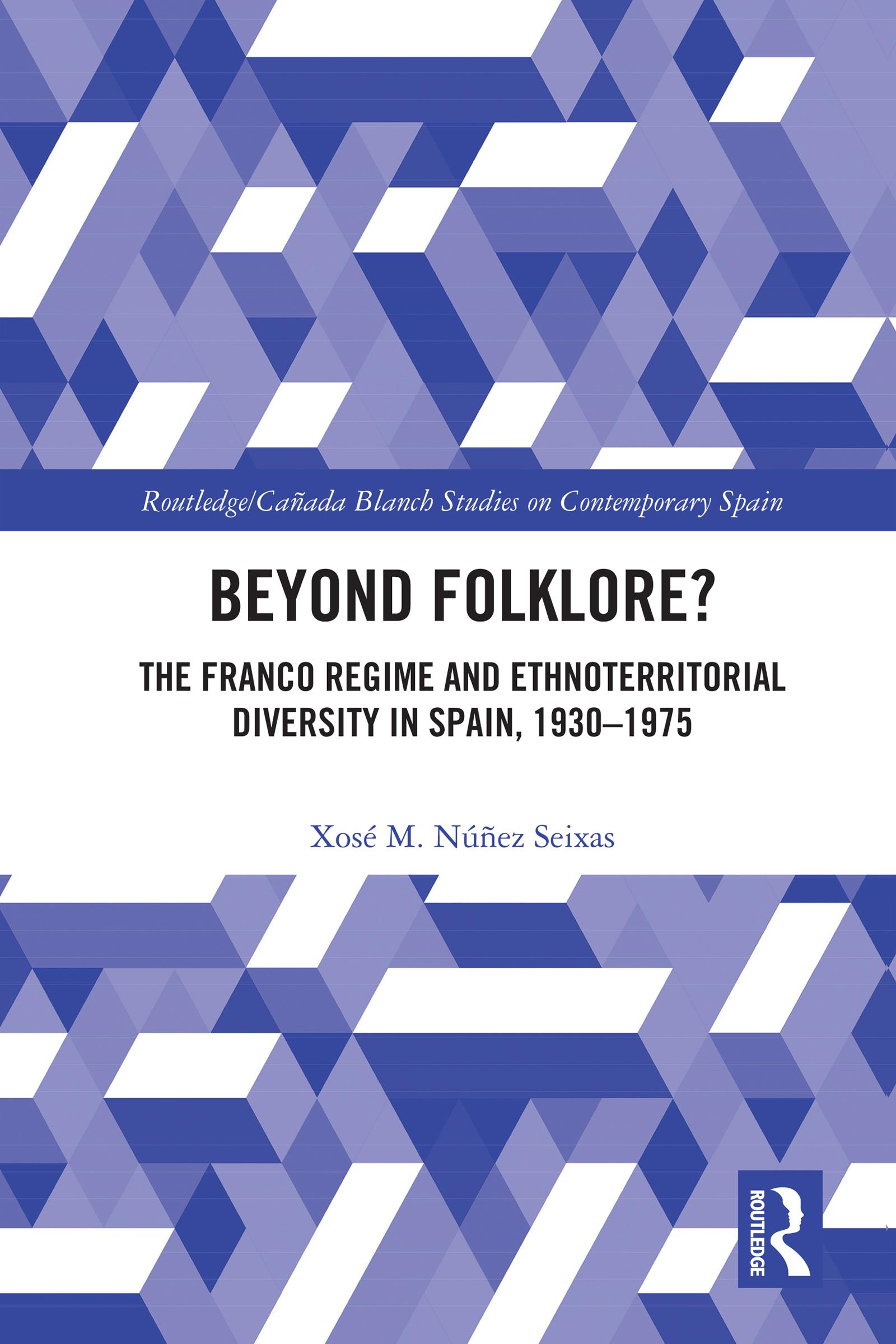
This book analyzes the promotion of subnational identities undertaken by Spanish fascism and the Franco regime between 1930 and 1975, as well as their patterns of survival, accommodation and adaptation.
It examines the proactive attitudes of the various actors committed to the dictatorship – from Falangists to Francoist intellectuals to Catholic conservatives – alongside their repressive or annihilating approach to regional cultures and languages. As in most Fascist regimes between 1922 and 1945, a narrative of the ethnocultural, ethnoterritorial and historic diversity of the nation persisted, with differing degrees of intensity and different tendencies. These discourses and practices were not limited exclusively to the ideological and social sphere of anti-Francoism, and the roots of the ‘State of the Autonomous Communities’, which gave rise to the extension of political autonomy to all Spanish regions from 1978 onwards, date back to the deep structure of the dictatorship, with foundations in demands put forward by the local, provincial and regional elites within later Francoism.
The volume is primarily written for scholars and students of Iberian Studies, European Modern and Contemporary History, Cultural Studies, especially those with an interest in memory studies, fascism, nationalism and regionalism, cultural resistance under dictatorship, and transitions from dictatorship to democracy.
Payez facilement par carte, Klarna, Apple Pay ou Google Pay. Pas satisfait ? Vous avez toujours une garantie de remboursement de 14 jours. En savoir plus dans nos conditions. Si vous avez des questions, envoyez-nous un e-mail à hello@memmo.org.
Memmo facilite tes études, où que tu sois dans le monde. On rassemble tes manuels de cours et des outils d'étude intelligents au même endroit : résumés, quiz, podcasts et flashcards. Et il y a Ted, ton compagnon d'étude qui répond à toutes tes questions. Plus de 50 000 étudiants étudient déjà ici – conçu pour t'aider à apprendre plus vite et à moins stresser.