
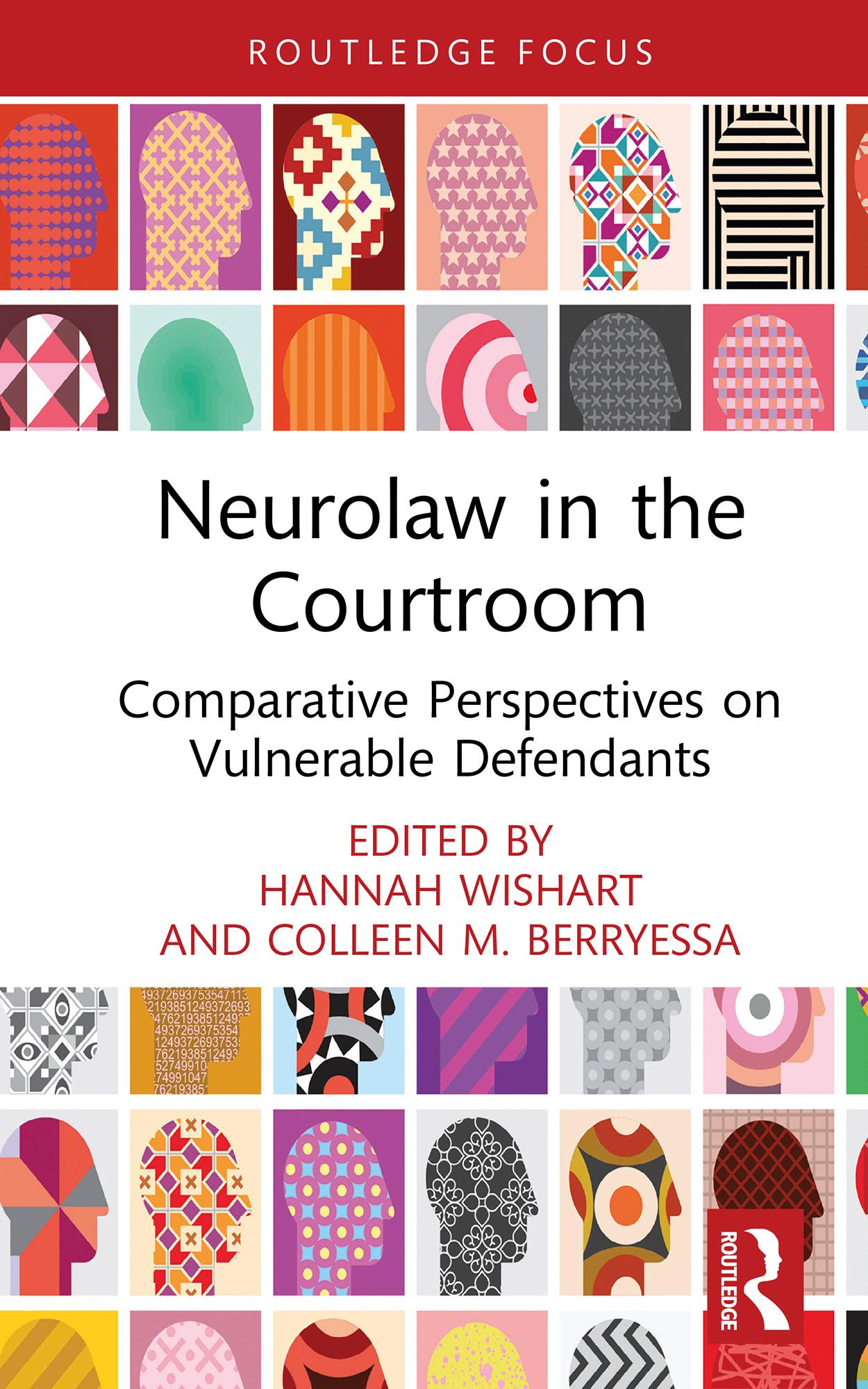
This collection presents a comparative perspective on interdisciplinary issues that fall under the emerging field of Neurolaw. The chapters embrace distinct procedural and evidential issues in the courtroom for vulnerable defendants, such as immature defendants, mentally disordered offenders and unfit-to-plead defendants, through a neuroscientific lens. This view is informed by worldwide analyses from legal academics, philosophers, and legal practitioners. The work brings together interdisciplinary and leading perspectives to discuss the use and relevancy of neuroscience at trial, and how the use of neuroscience is currently benefiting and impacting vulnerable defendants in global criminal trials. As such, the book builds upon and adds to the existing literature in this field by providing a comprehensive coverage of the intersection between these disciplines for vulnerable defendants in the courtroom. Key issues covered include: vulnerable defendants and the pre-trial process; the trial process; the use of neuroscience as expert evidence at trial; and vulnerable defendants, neuroscience and mitigation of sentence. Through original exploration presented by contributors from both academia and practice, the book will be of interest to academics, researchers and policy-makers working in the areas of Criminal Law and Procedure.
Payez facilement par carte, Klarna, Apple Pay ou Google Pay. Pas satisfait ? Vous avez toujours une garantie de remboursement de 14 jours. En savoir plus dans nos conditions. Si vous avez des questions, envoyez-nous un e-mail à hello@memmo.org.
Memmo facilite tes études, où que tu sois dans le monde. On rassemble tes manuels de cours et des outils d'étude intelligents au même endroit : résumés, quiz, podcasts et flashcards. Et il y a Ted, ton compagnon d'étude qui répond à toutes tes questions. Plus de 50 000 étudiants étudient déjà ici – conçu pour t'aider à apprendre plus vite et à moins stresser.