
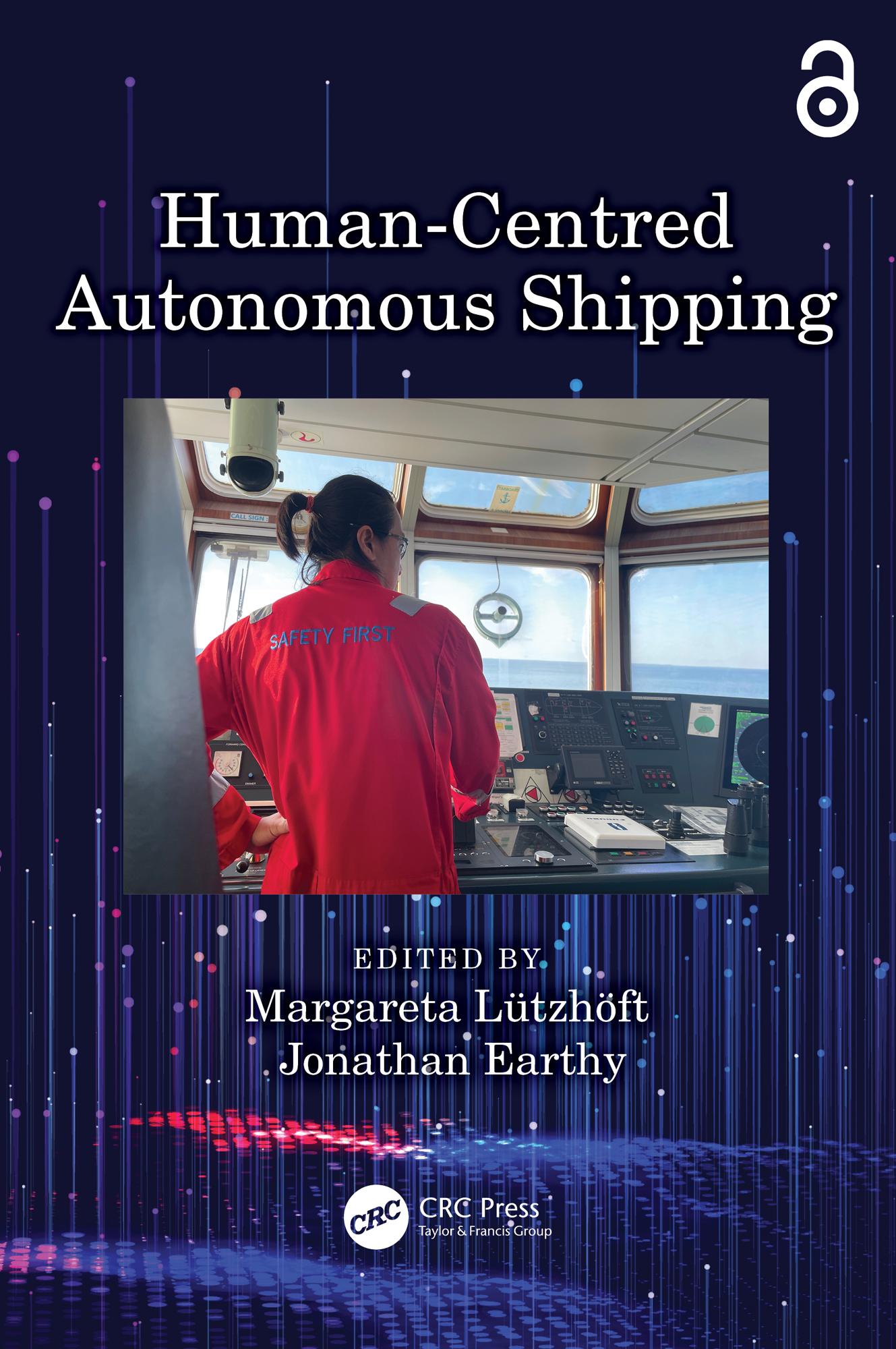
Tracing the development of autonomous and automated shipping from a hype of unmanned ships to a more realistic use of automation to augment humans in maritime operations, this book shows why human factors and human-centred design are essential to the endeavour.
Themes addressed in the book include technology and cybersecurity, regulation and classification, and competence and skills. It combines commentary and insight from experts across the industry as well as academia and describes a roller-coaster ride from conceptual idea via a period of hype where technologists and engineers enthusiastically advocated a rapid development as many others in the maritime industry felt compelled, but struggled, to follow and finally to a more measured view as cumulative experience started to show the limitations, risks, and the lack of a generic business case.
This book is intended for anyone working in, researching in, or simply interested in shipping and the maritime domain and the evolution of autonomous shipping. The target audience includes regulators, educators, researchers, engineers, and manufacturers.
The Open Access version of this book, available at http://www.taylorfrancis.com, has been made available under a Creative Commons Attribution-Non Commercial-No Derivatives (CC-BY-NC-ND) 4.0 license
Payez facilement par carte, Klarna, Apple Pay ou Google Pay. Pas satisfait ? Vous avez toujours une garantie de remboursement de 14 jours. En savoir plus dans nos conditions. Si vous avez des questions, envoyez-nous un e-mail à hello@memmo.org.
Memmo facilite tes études, où que tu sois dans le monde. On rassemble tes manuels de cours et des outils d'étude intelligents au même endroit : résumés, quiz, podcasts et flashcards. Et il y a Ted, ton compagnon d'étude qui répond à toutes tes questions. Plus de 50 000 étudiants étudient déjà ici – conçu pour t'aider à apprendre plus vite et à moins stresser.