
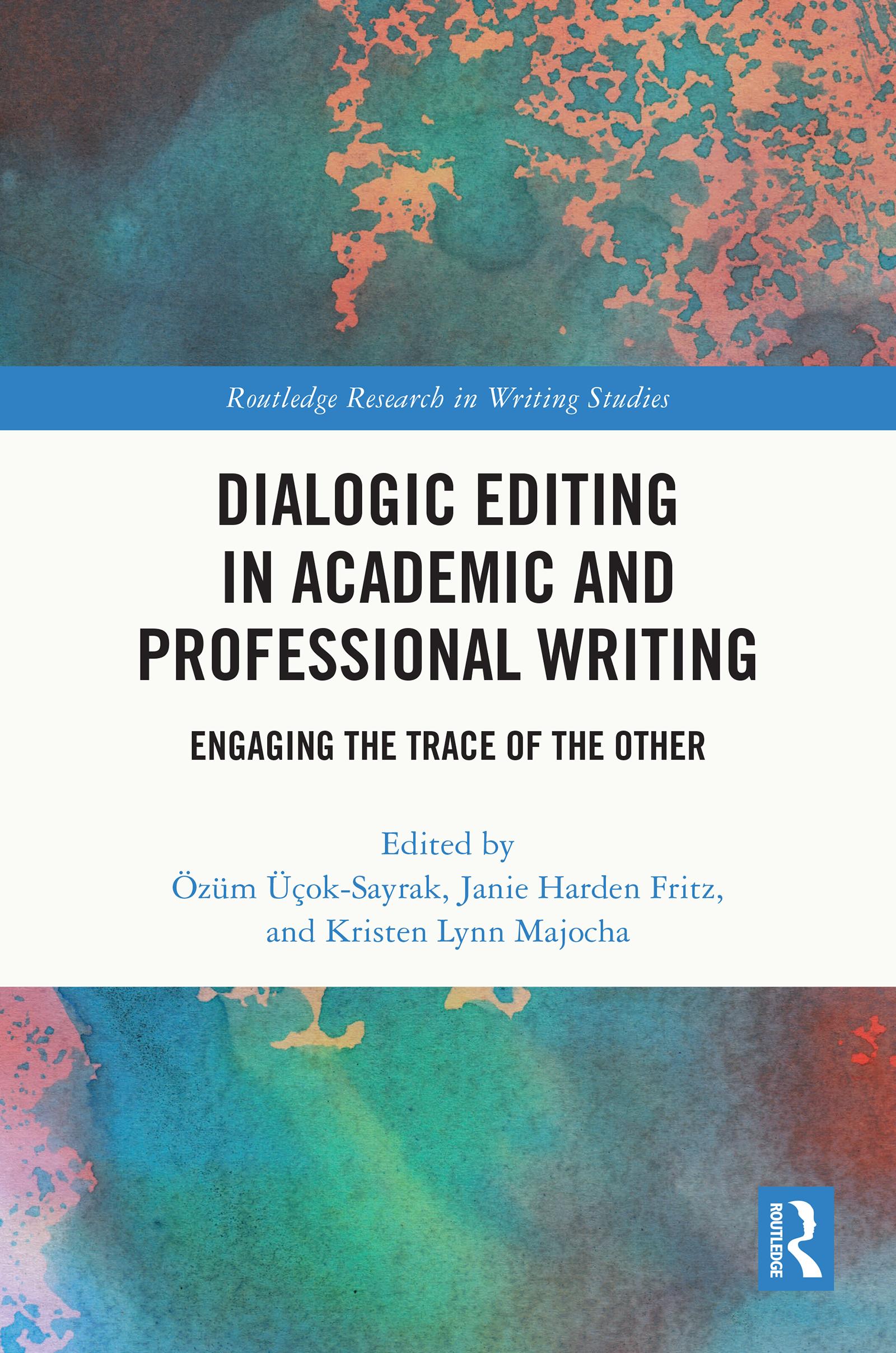
This book brings attention to the communicative process of editing as a dialogic experience that is attentive to the voice of the Other and underlines an ethical turn for the editing process.
The volume focuses on an essential, yet undertheorized, aspect of the communicative practice of editing by reading and receiving the voice of the Other and offering feedback toward assisting the text to find a voice without turning it into the voice of the editor. Utilizing the theoretical and philosophical frameworks of a diverse group of leading scholars and philosophers, contributors to this volume explore the editing process as connected to communication ethics that calls for discernment of what matters.
With its philosophical underpinnings, this book will especially be of interest to researchers and students in multiple disciplines in humanities and the social sciences, including communication studies, dialogue studies, philosophy, literature, composition studies, education, history, anthropology, psychology, sociology, religious studies, and political science.
Payez facilement par carte, Klarna, Apple Pay ou Google Pay. Pas satisfait ? Vous avez toujours une garantie de remboursement de 14 jours. En savoir plus dans nos conditions. Si vous avez des questions, envoyez-nous un e-mail à hello@memmo.org.
Memmo facilite tes études, où que tu sois dans le monde. On rassemble tes manuels de cours et des outils d'étude intelligents au même endroit : résumés, quiz, podcasts et flashcards. Et il y a Ted, ton compagnon d'étude qui répond à toutes tes questions. Plus de 50 000 étudiants étudient déjà ici – conçu pour t'aider à apprendre plus vite et à moins stresser.