
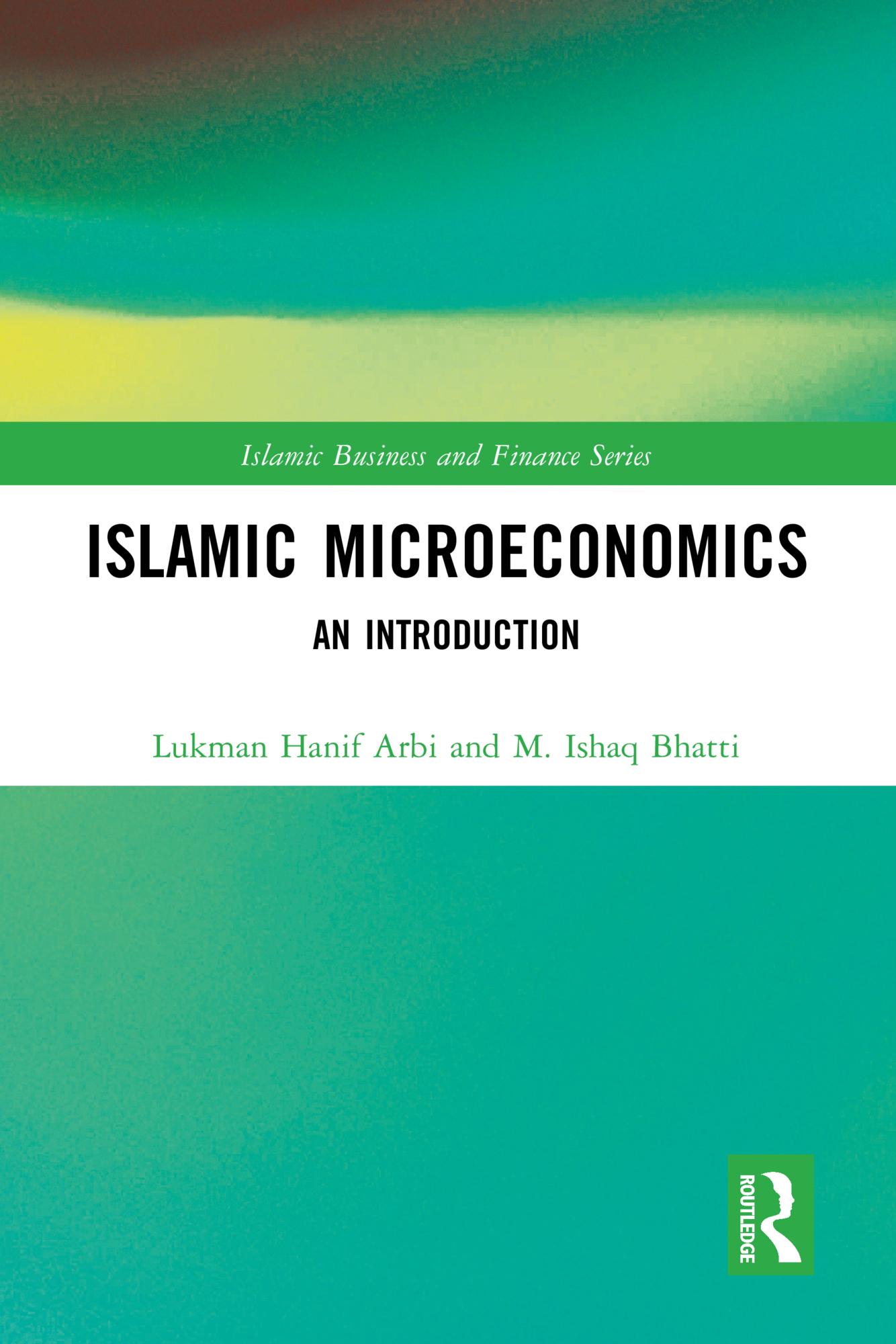
This book bridges the gap between Islamic and conventional (micro)economics by demonstrating how modern tools and theories of microeconomics can be applied to Islamic assumptions regarding economics and finance. In contrast to the tendency for Islamic economics and finance proponents to use qualitative and normative approaches based on idealistic assumptions, this book demonstrates how one can instead construct analytical models of Islamic economics and finance and simply compare the implications with those predominant in today’s world. This book also offers extensive literature reviews demonstrating that for a long time, the gap between Islamic and conventional economics and finance is not as wide as previously thought, allowing those with an interest in both fields to participate more effectively and meaningfully in the ongoing discourse between the two fields.
The authors conceptualize a general approach and apply it to basic consumer theory. More advanced microeconomic ideas are then discussed, culminating in demonstrations of how contract theory can facilitate a deeper analysis and appreciation of Islamic financial securities. A wide spectrum of academic literature on both Islamic and conventional economics and finance is drawn upon to facilitate a better appreciation for both fields and to inspire future works comparing the two in a more objective manner.
Payez facilement par carte, Klarna, Apple Pay ou Google Pay. Pas satisfait ? Vous avez toujours une garantie de remboursement de 14 jours. En savoir plus dans nos conditions. Si vous avez des questions, envoyez-nous un e-mail à hello@memmo.org.
Memmo facilite tes études, où que tu sois dans le monde. On rassemble tes manuels de cours et des outils d'étude intelligents au même endroit : résumés, quiz, podcasts et flashcards. Et il y a Ted, ton compagnon d'étude qui répond à toutes tes questions. Plus de 50 000 étudiants étudient déjà ici – conçu pour t'aider à apprendre plus vite et à moins stresser.