
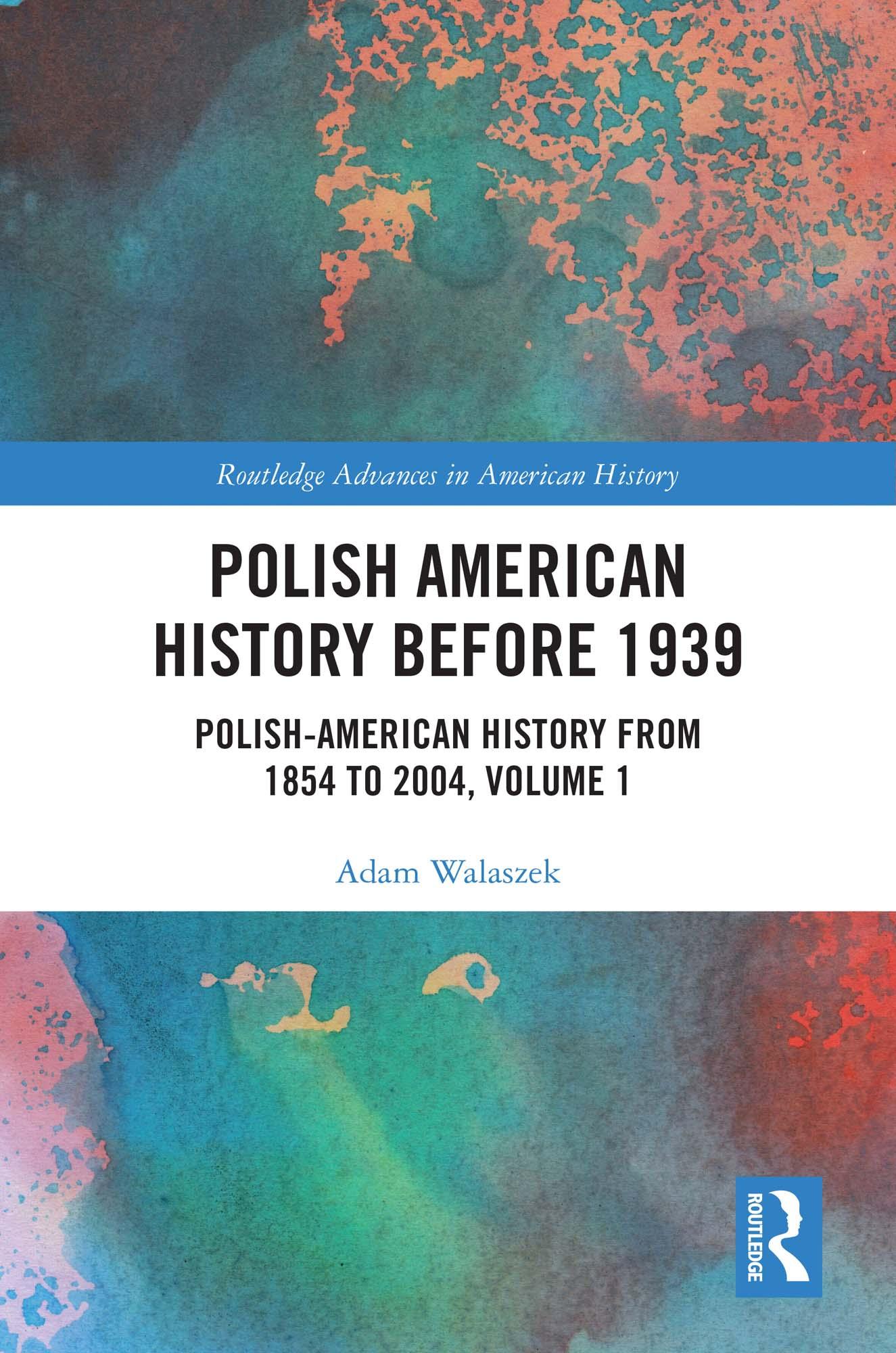
The history of private lives of the first and second generations of Polish immigrants in the United States is viewed from the perspective of migrants themselves. What did the migrants do? How did they behave? How protagonists (men, women, children) with their own words presented their experience? Their experience is compared with one of the other groups. The book discusses migration processes, formation of neighborhoods, experiences at work, daily and family lives, functioning of parishes and tensions related to it, and construction of people’s identities and their constant reformulations. Migrants created mutual-aid societies, which played not only economic, but also ideological and political roles. Experiences of immigrants’ children at home and at school are presented, mostly in their own words and from their own perspective. Cultural activities reflect constant changes of groups’ self-identity.
The book also depicts the relations between the Polish migrants and members of other ethnic groups – in the streets, public spaces, politics, and within the Catholic church. People lived in pluri-cultural, culturally diverse, contexts, and thus relations with “the others” were complex. The panorama ended in the year 1939, when after the Great Depression, the group entered into a new period of transformation during the war.
Payez facilement par carte, Klarna, Apple Pay ou Google Pay. Pas satisfait ? Vous avez toujours une garantie de remboursement de 14 jours. En savoir plus dans nos conditions. Si vous avez des questions, envoyez-nous un e-mail à hello@memmo.org.
Memmo facilite tes études, où que tu sois dans le monde. On rassemble tes manuels de cours et des outils d'étude intelligents au même endroit : résumés, quiz, podcasts et flashcards. Et il y a Ted, ton compagnon d'étude qui répond à toutes tes questions. Plus de 50 000 étudiants étudient déjà ici – conçu pour t'aider à apprendre plus vite et à moins stresser.