
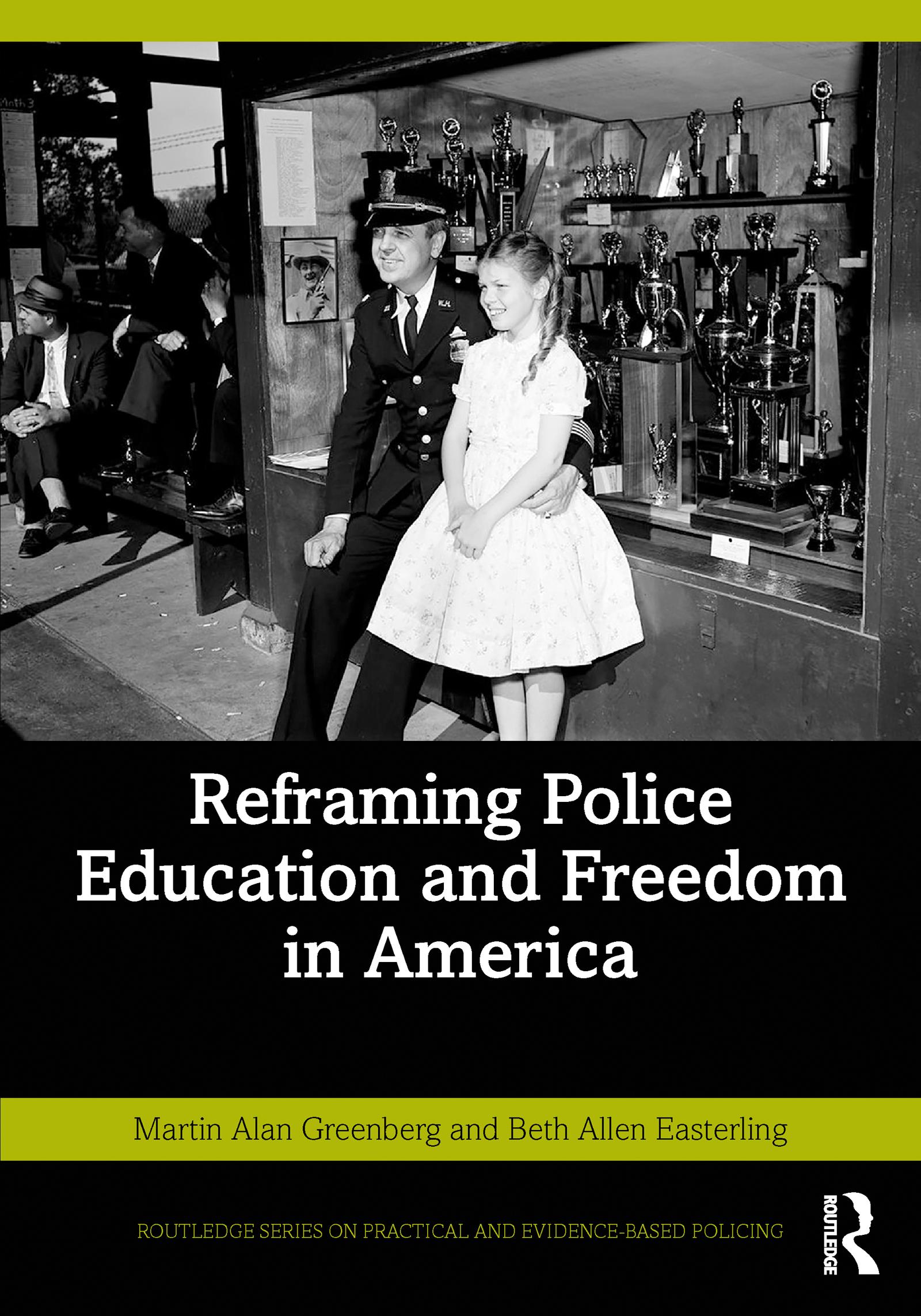
This book untangles the components of police education and advocates a robust community-based training model with significant civilian oversight. The recommended approach recognizes that the citizenry needs to be included in the provision of basic police education, for it is they who must both support and be served by their police. The police must be role models for society, demonstrating that freedom and rights come with obligations, both to the community as a whole and to individuals in need within that community. Ultimately, the quality of police training and the public’s safety depend not only on the leadership of police executives as well as the quality of educational institutions and police candidates but also on the building of a community’s trust in its police.
The issues of police recruitment, education, and retention have greater consequence in an era when protests and other signs of negativity surround law enforcement. Several incidents, including, most notably, George Floyd’s murder by police, have sparked new training initiatives regarding police de-escalation and community engagement. At the same time, the proliferation of gun violence and a contentious political climate have led some officers to refrain from undertaking proactive types of policing. In this context, reform of the police education system is urgent. This book examines police training at all levels of government—local, regional, state, and federal. In addition, citizen participation programs, including the role of the media and programs for furthering law-related education (LRE), are highlighted. The proposed police education model recognizes that ordinary members of the American public need to contribute to the provision of basic police education, for it is they who must both support and be served by their police. The focus is on teaching a "guardian style" of policing at the local level. Police education would combine higher education, necessary practical proficiencies, and intensive field experiences through a gradual level of greater responsibility—likely extending over a 2-plus-year period for trainees with less than a year of previous college credits.
This book will be of interest to a wide range of audiences such as law enforcement professionals and trainers, including those in executive development programs in police departments; community leaders, scholars, and policy experts who specialize in policing; concerned citizens; and students of criminal justice, especially those interested in police organization and management, criminal justice policy, and the historical development of police.
Payez facilement par carte, Klarna, Apple Pay ou Google Pay. Pas satisfait ? Vous avez toujours une garantie de remboursement de 14 jours. En savoir plus dans nos conditions. Si vous avez des questions, envoyez-nous un e-mail à hello@memmo.org.
Memmo facilite tes études, où que tu sois dans le monde. On rassemble tes manuels de cours et des outils d'étude intelligents au même endroit : résumés, quiz, podcasts et flashcards. Et il y a Ted, ton compagnon d'étude qui répond à toutes tes questions. Plus de 50 000 étudiants étudient déjà ici – conçu pour t'aider à apprendre plus vite et à moins stresser.