
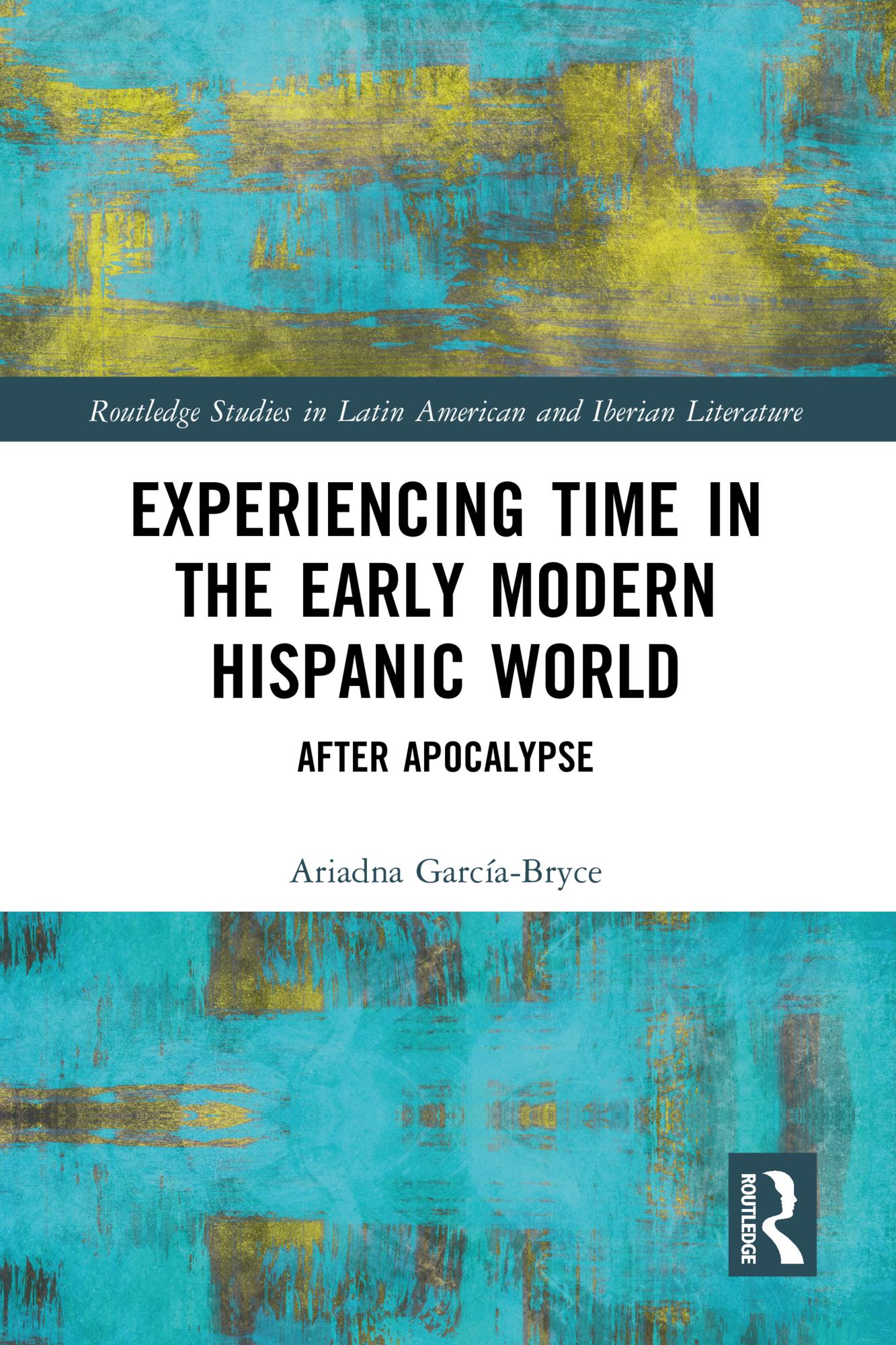
This book considers the new ways time was experienced in the sixteenth- and seventeeth-century Hispanic world in the framework of global Catholicism. It underscores the crucial role that the imitation of Christ plays in modeling how representative writers physically and mentally interiorize temporal impermanence as the Messiah’s suffering body becomes a paradigmatic as well as malleable marker of the avatars of earthly history. Particular attention is paid to the ways in which authors adapt Christ-centered conceptions of existence to accommodate both a volatile post-eschatological world and the increased dominance of mechanical clock time. As novel means of communing with Christ emerge, so too do new modes of sensing and understanding time, unleashing unprecedented cultural and literary reinvention. This is demonstrated through close analyses of writings by such influential figures as Saint Ignatius of Loyola, Saint Teresa of Ávila, Carlos de Sigüenza y Góngora, and Sor Juana Inés de la Cruz.
Payez facilement par carte, Klarna, Apple Pay ou Google Pay. Pas satisfait ? Vous avez toujours une garantie de remboursement de 14 jours. En savoir plus dans nos conditions. Si vous avez des questions, envoyez-nous un e-mail à hello@memmo.org.
Memmo facilite tes études, où que tu sois dans le monde. On rassemble tes manuels de cours et des outils d'étude intelligents au même endroit : résumés, quiz, podcasts et flashcards. Et il y a Ted, ton compagnon d'étude qui répond à toutes tes questions. Plus de 50 000 étudiants étudient déjà ici – conçu pour t'aider à apprendre plus vite et à moins stresser.