
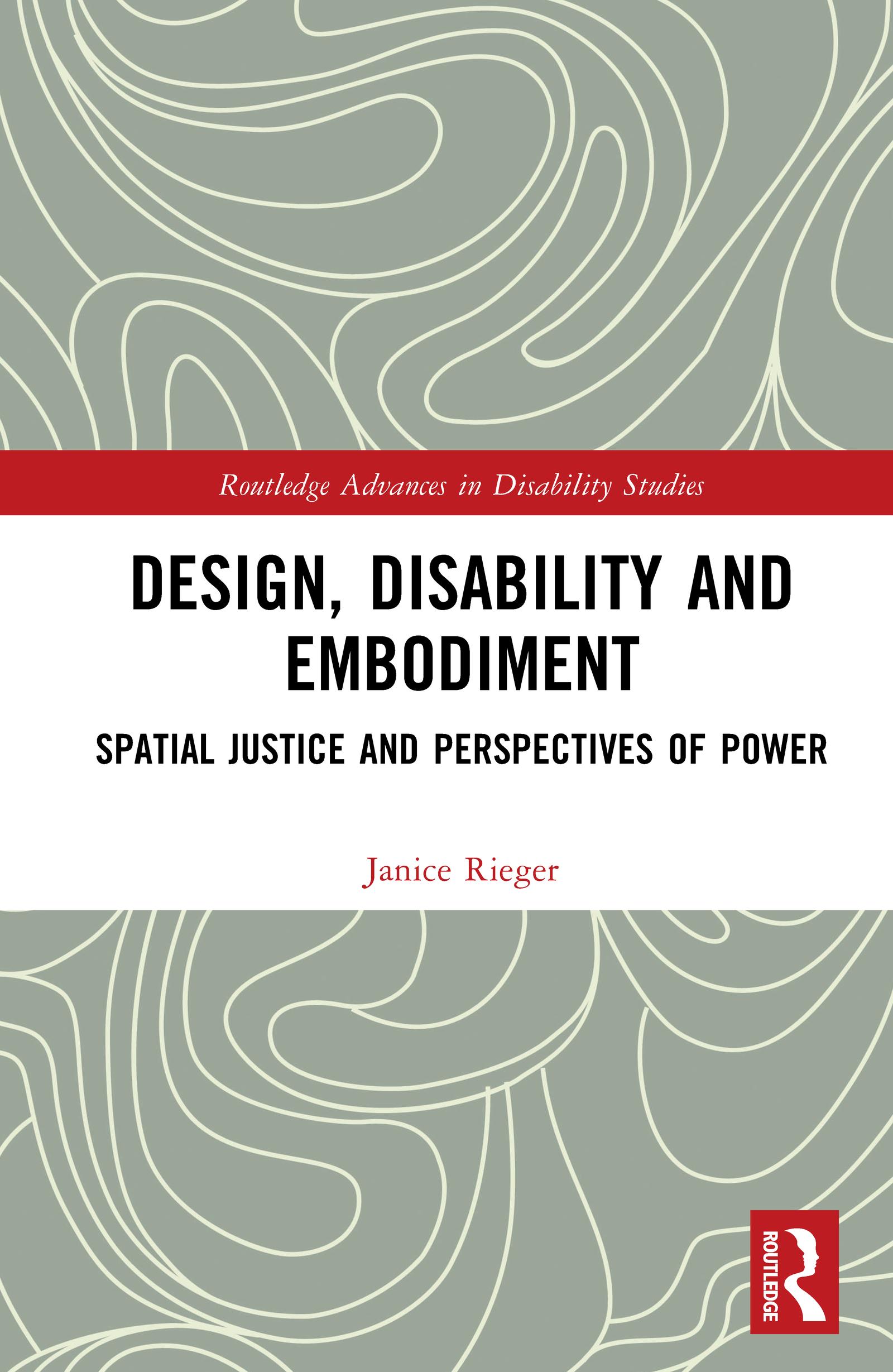
This timely book explores the spatial and social injustices within our streets, malls, schools, and public institutions. Taken-for-granted acts like going for a walk, seeing an exhibition with a friend, and going to school are, for people with disabilities, conditional or precluded acts due to exclusion by design.
This book stimulates debate and discussion about current practice and studies in spatial design in the context of disability and the growing need for inclusive design globally. Case studies of inclusive design in spaces like museums, malls, galleries and universities are presented to challenge and expose the perspectives of power and spatial injustices that still exist within these spaces today. The international case studies presented purposely privilege the voices and perspectives of people with disabilities, to expose the multisensorial perspectives of spatial justice in order to understand inclusion more holistically through embodiment.
If you are an architect, designer, arts educator, curator or museum professional or just want a world where spatial justice is possible, then this book will provide you with a new perspective of spatial design through critical disability studies, allyship and codesign, where tangible approaches and practices for inclusive design are explored.
Payez facilement par carte, Klarna, Apple Pay ou Google Pay. Pas satisfait ? Vous avez toujours une garantie de remboursement de 14 jours. En savoir plus dans nos conditions. Si vous avez des questions, envoyez-nous un e-mail à hello@memmo.org.
Memmo facilite tes études, où que tu sois dans le monde. On rassemble tes manuels de cours et des outils d'étude intelligents au même endroit : résumés, quiz, podcasts et flashcards. Et il y a Ted, ton compagnon d'étude qui répond à toutes tes questions. Plus de 50 000 étudiants étudient déjà ici – conçu pour t'aider à apprendre plus vite et à moins stresser.