
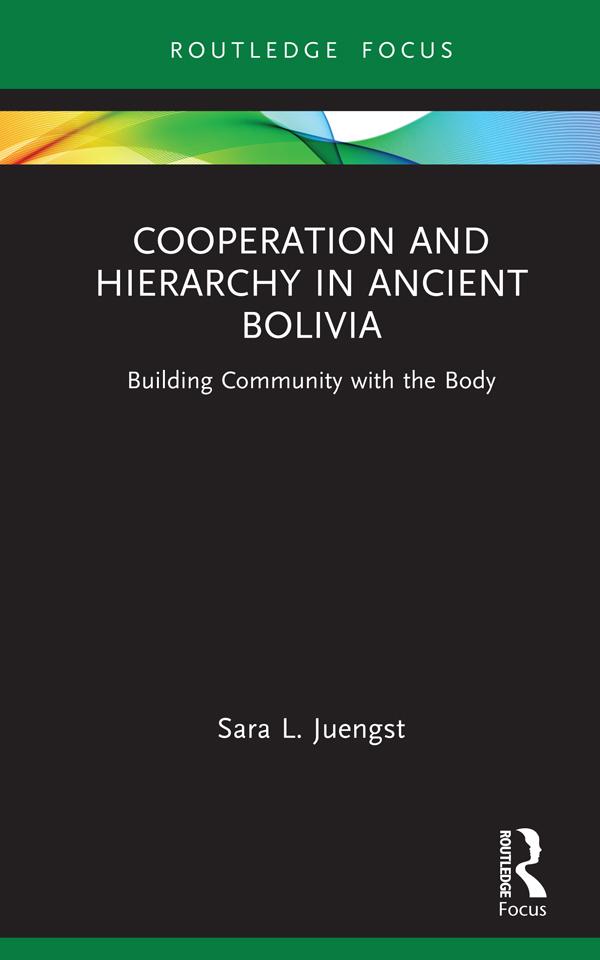
This book explores how past peoples navigated and created power structures and social relationships, using a case study from the Titicaca Basin of Bolivia (800 BC–AD 400). Based on the analysis of human skeletal remains, it combines anthropological social theory, archaeological contexts, and biological indicators of identity, disease, and labor to present a microhistory. The analysis moves in scale from individual experiences of daily life to broad patterns of shared identity and kinship during a time of significant economic and ecological change in the lake basin. The volume is particularly valuable for scholars and students interested in what bioarchaeology can tell us about power and social relationships in the past and how this is relevant to modern constructions of community.
Payez facilement par carte, Klarna, Apple Pay ou Google Pay. Pas satisfait ? Vous avez toujours une garantie de remboursement de 14 jours. En savoir plus dans nos conditions. Si vous avez des questions, envoyez-nous un e-mail à hello@memmo.org.
Memmo facilite tes études, où que tu sois dans le monde. On rassemble tes manuels de cours et des outils d'étude intelligents au même endroit : résumés, quiz, podcasts et flashcards. Et il y a Ted, ton compagnon d'étude qui répond à toutes tes questions. Plus de 50 000 étudiants étudient déjà ici – conçu pour t'aider à apprendre plus vite et à moins stresser.