
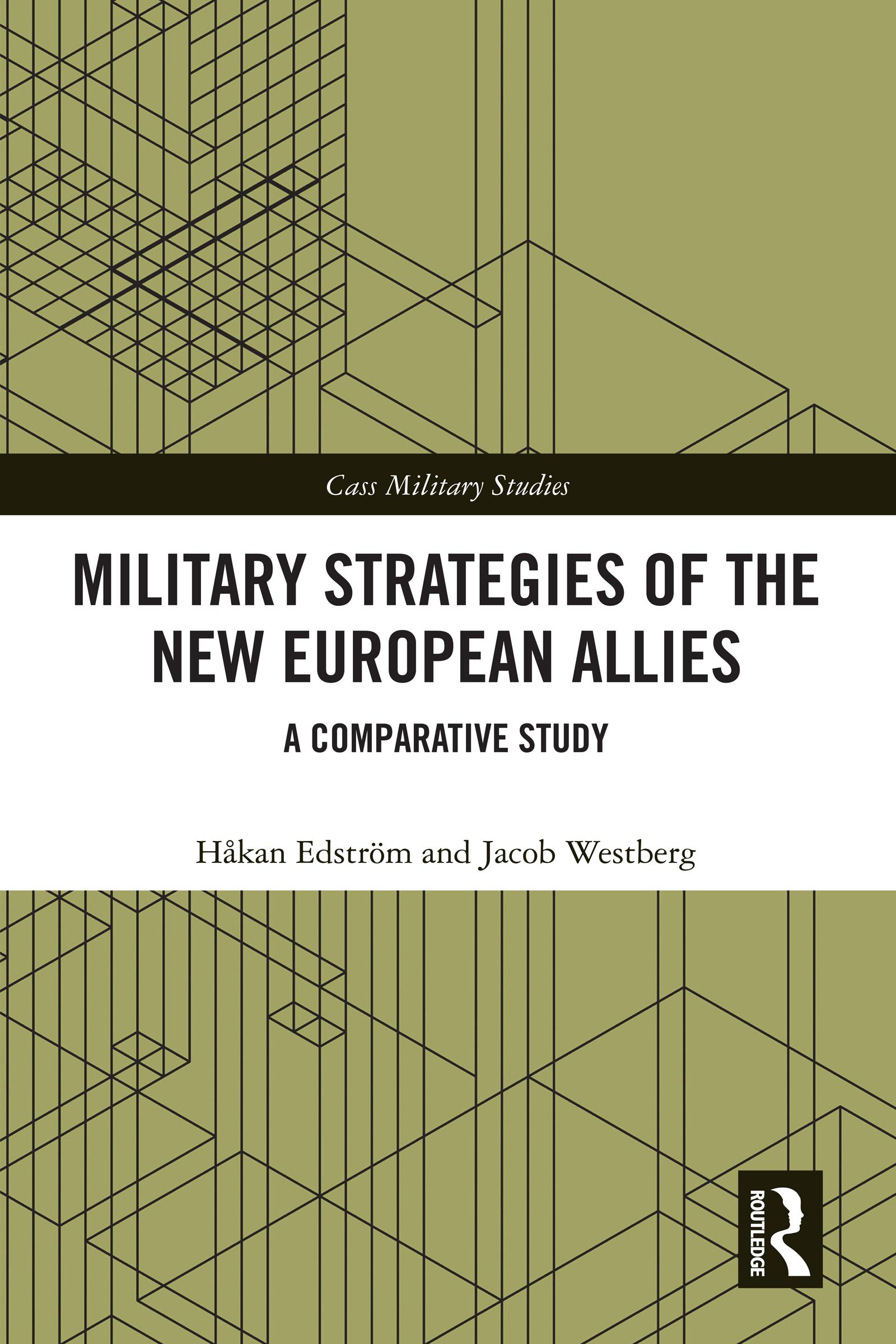
This book analyses how and to what extent ex-communist states have adjusted their defence strategies since joining the EU and NATO, and how differences and similarities between their strategies can be explained.
Between 1999 and 2013, four phases of enlargement took place when the European Union (EU) and NATO allowed 11 new former communist states to enter both organisations. These states share some common attributes and experiences related to strategic culture and common experiences during the Cold War era that can potentially explain similarities in behaviour and preferences among them. However, the strategic adjustments among these states are far from uniform. In an effort to explain these differences, the book introduces three intervening variables: (1) differences in relative power and position in the international system, (2) national geographical characteristics; and (3) historical experiences related to formative periods of state-building processes as well as wars and armed conflicts. Empirically, the book strives to present and analyse the defence strategies of each of the new allies by conducting a structured focused comparison of official strategic documents from the twenty-first century for each of the 11 cases. Theoretically and methodologically, it introduces an analytical framework enabling us to explain both similarities and differences in the formulation of the strategies of the 11 states, and to shed light on their external and internal efforts to promote their strategic interest by operationalising the dependent variable - defence strategy. The analytical framework combines elements of structural realism with classical realism, and constructivist research on unit-level characteristics related to relative power and perceptions of strategic exposure.
This book will be of much interest to students of strategic studies, European Union policy, NATO and International Relations in general.
Payez facilement par carte, Klarna, Apple Pay ou Google Pay. Pas satisfait ? Vous avez toujours une garantie de remboursement de 14 jours. En savoir plus dans nos conditions. Si vous avez des questions, envoyez-nous un e-mail à hello@memmo.org.
Memmo facilite tes études, où que tu sois dans le monde. On rassemble tes manuels de cours et des outils d'étude intelligents au même endroit : résumés, quiz, podcasts et flashcards. Et il y a Ted, ton compagnon d'étude qui répond à toutes tes questions. Plus de 50 000 étudiants étudient déjà ici – conçu pour t'aider à apprendre plus vite et à moins stresser.