
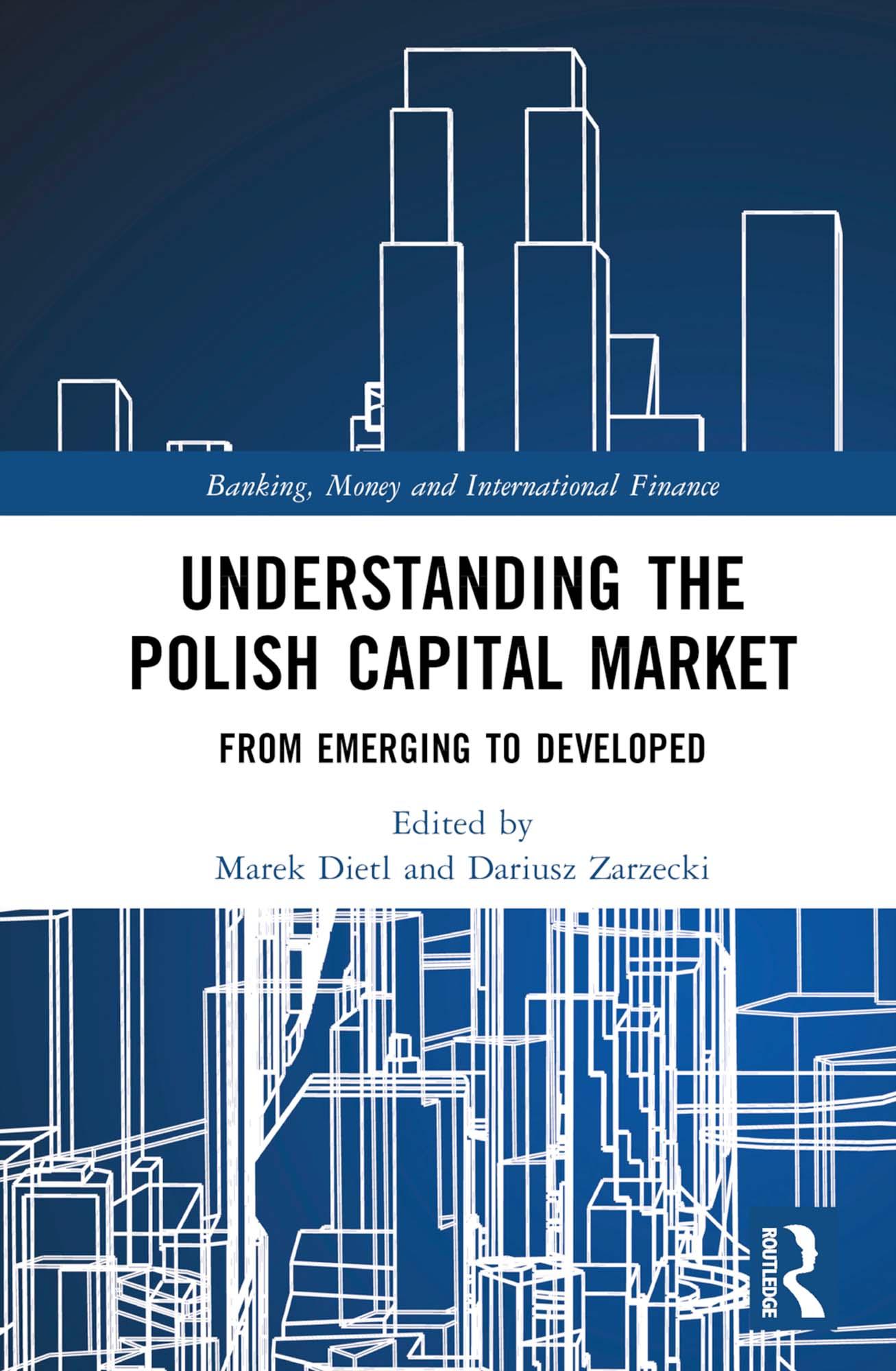
The first stock exchange in Warsaw – capital city of the Kingdom of Poland– was established in 1817. Over the past 205 years, the fortunes of the capital market have been closely linked to the "bumpy road" of Polish history. The establishment of the GPW Warsaw Stock Exchange in 1991 was a landmark for transformation from a centrally planned communist economy to a market-driven capitalist one. Since the doors of the exchange reopened, Polish GDP per capita (current USD) increased eight times, translating into an average yearly growth rate of over 7%.
The capital market has played a pivotal role in the economic success of Poland over the last three decades. It is not easy to precisely quantify the impact, as it was rather a spill-over effect. Economic growth has fostered the development of a capital market, and more efficient conversion of savings to investments via the capital market.
The excellence of capital market institutions can be gauged with reference to various parameters. A synthetic measure is so-called market status. According to FTSE Russell (global index provider), Polish capital attained developed market status in 2018, being the first and only post-communist state to do so. It is fair to say that transformation has been completed and developed market status indicates clearly that the institutions and regulations are world class. The current challenge is competing with other developed markets for the best issuers and offering the most demanding investors an excellent trading experience.
This book offers scientific insight into the Polish capital market story. Authored by a group of renowned scholars, with contributions aspiring to the highest academic standards for theoretical considerations and empirical research. The book covers various topics, including links between monetary policy and capital markets, micro and macro market structures, and investors and issuers' behaviour and strategies. All chapters are rooted in contemporary finance theory, supported by various econometric models based on the most recently available data.
The book aims to provide academics and practitioners insight into the Polish capital market, appealing especially to those interested in gaining a deeper understanding of emerging markets' successful transformation into developed ones. It can also be used as supplementary reading for doctoral and master’s students in finance, particularly relating to capital markets and economics – predominantly development economics and economic policy.
Payez facilement par carte, Klarna, Apple Pay ou Google Pay. Pas satisfait ? Vous avez toujours une garantie de remboursement de 14 jours. En savoir plus dans nos conditions. Si vous avez des questions, envoyez-nous un e-mail à hello@memmo.org.
Memmo facilite tes études, où que tu sois dans le monde. On rassemble tes manuels de cours et des outils d'étude intelligents au même endroit : résumés, quiz, podcasts et flashcards. Et il y a Ted, ton compagnon d'étude qui répond à toutes tes questions. Plus de 50 000 étudiants étudient déjà ici – conçu pour t'aider à apprendre plus vite et à moins stresser.