
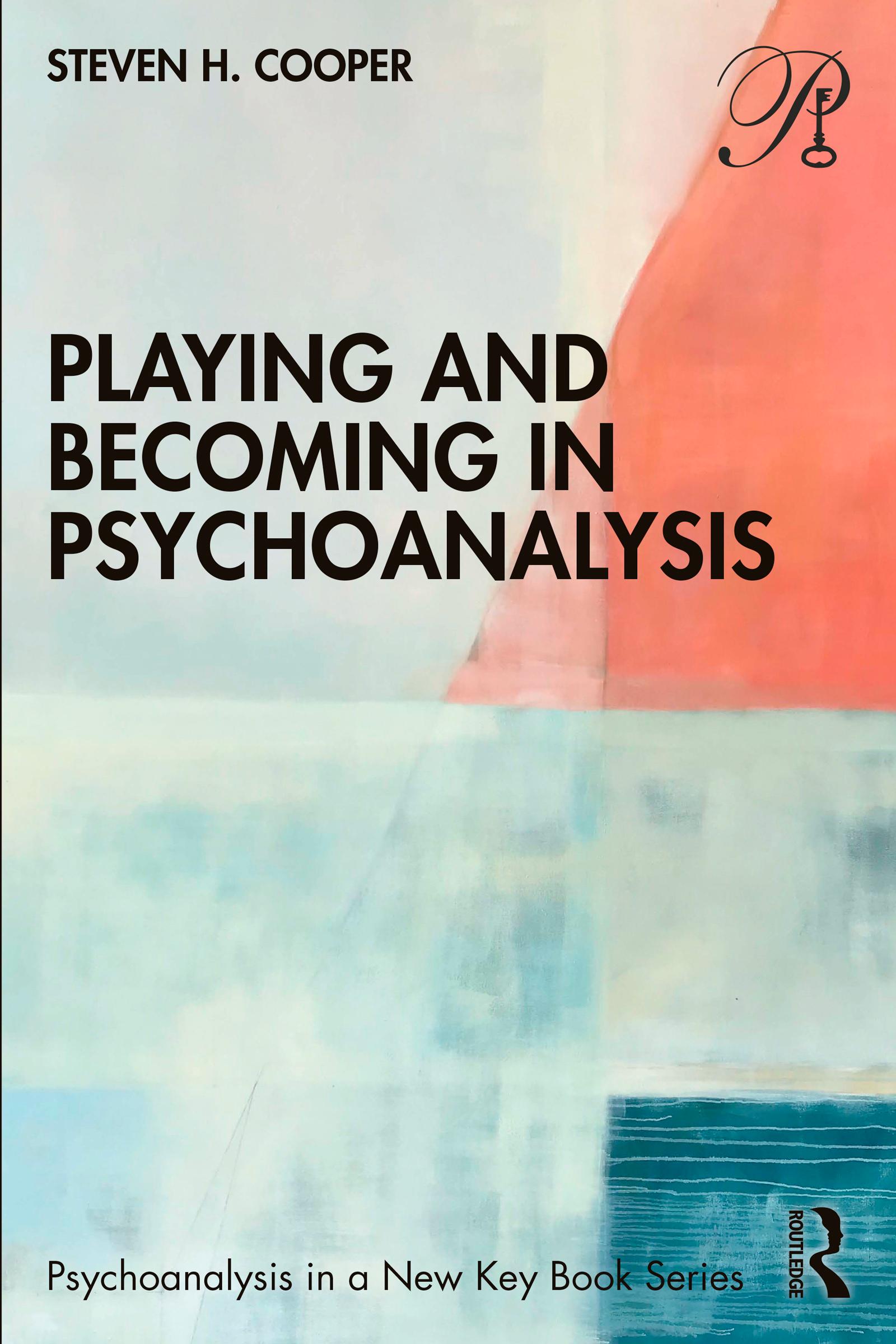
Building on Winnicott’s theory of play, this book defines the concept of play from the perspective of clinical practice, elaborating on its application to clinical problems.
Although Winnicott’s theory of play constitutes a radical understanding of the intersubjectivity of therapy, Cooper contends, there remains a need to explore the significance of play to the enactment of transference-countertransference. Among several ideas, this book considers how to help patients as they navigate debilitating internal object relations, supporting them to engage with "bad objects" in alternatively playful ways. In addition, throughout the book, Cooper develops an ethic of play that can support the analyst to find "ventilated spaces" of their own, whereby they can reflect on transference-countertransference. Rather than being hindered by the limits of the therapeutic setting, this book explores how possibilities for play can develop out of these very constraints, ultimately providing a fulsome exploration of the concept without eviscerating its magic.
With a broad theoretical base, and a wide definition of play, this book will appeal to psychoanalysts and psychoanalytic psychotherapists wanting to understand how play functions within and can transform their clinical practice.
Payez facilement par carte, Klarna, Apple Pay ou Google Pay. Pas satisfait ? Vous avez toujours une garantie de remboursement de 14 jours. En savoir plus dans nos conditions. Si vous avez des questions, envoyez-nous un e-mail à hello@memmo.org.
Memmo facilite tes études, où que tu sois dans le monde. On rassemble tes manuels de cours et des outils d'étude intelligents au même endroit : résumés, quiz, podcasts et flashcards. Et il y a Ted, ton compagnon d'étude qui répond à toutes tes questions. Plus de 50 000 étudiants étudient déjà ici – conçu pour t'aider à apprendre plus vite et à moins stresser.