
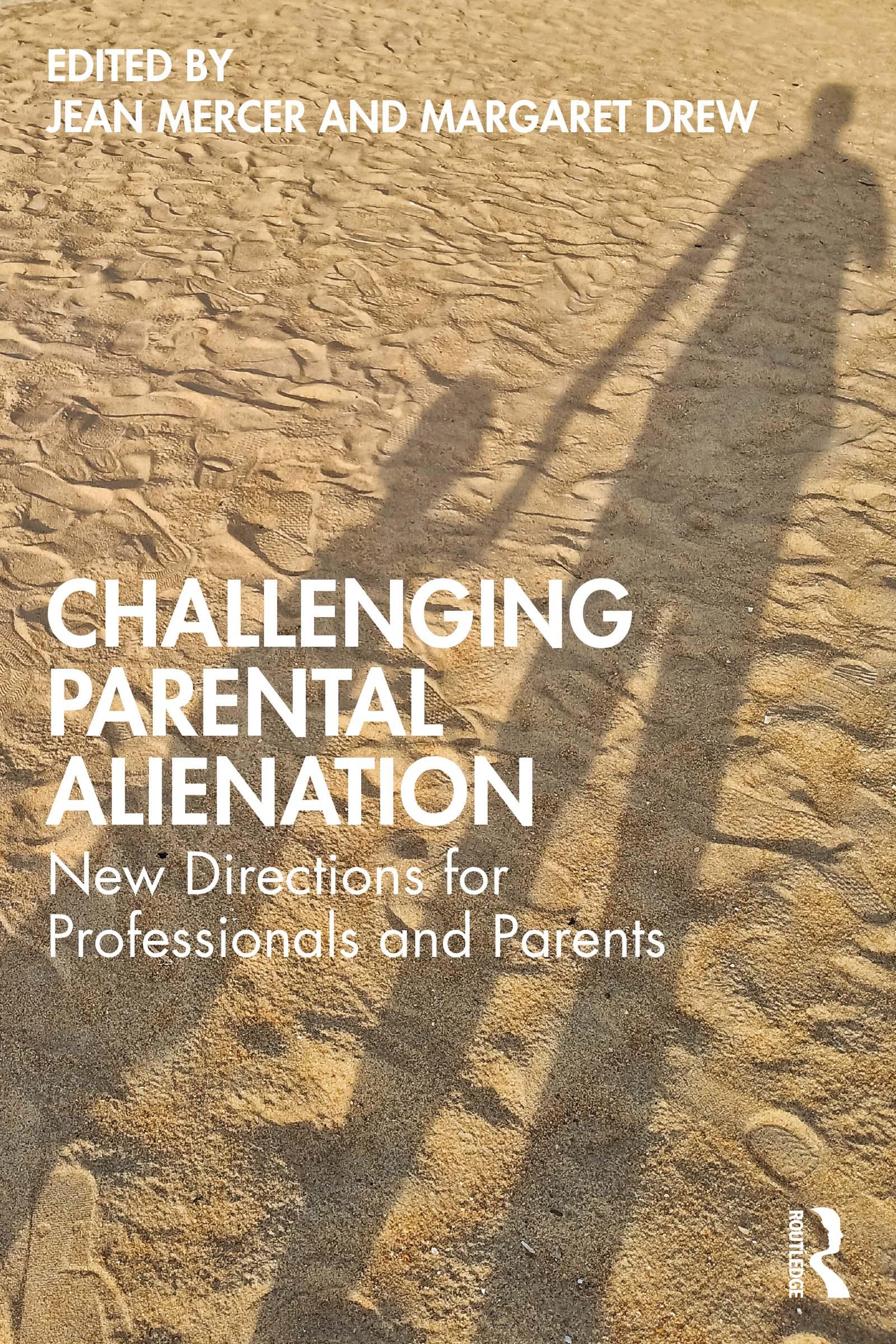
This book addresses the concept of parental alienation – the belief that when a child of divorced parents avoids one parent, it may be because the preferred parent has persuaded the child to do this. It argues against the unquestioning use of parental alienation concepts in child custody conflicts.
Increasing use of this concept in family courts has led at times to placement of children with abusive or violent parents, damage to the lives of preferred parents, and the use of treatments that have not been shown to be safe or effective. The 13 chapters cover the history and theory of "parental alienation" principles and practices. Methodological and research issues are considered, and diagnostic and treatment methods associated with "parental alienation" beliefs as well as those recommended by research and ethical evidence are analyzed. The connections of "parental alienation" with gender and domestic violence issues are discussed as are the experiences of individuals who have experienced "parental alienation" treatments. The book argues that "parental alienation" principles and practices should be avoided by family courts, in the best interests of children in custody disputes.
This book will be useful reading for lawyers, judges, children’s services workers including social workers, child protection court workers, and mental health professionals involved in child custody decisions.
Payez facilement par carte, Klarna, Apple Pay ou Google Pay. Pas satisfait ? Vous avez toujours une garantie de remboursement de 14 jours. En savoir plus dans nos conditions. Si vous avez des questions, envoyez-nous un e-mail à hello@memmo.org.
Memmo facilite tes études, où que tu sois dans le monde. On rassemble tes manuels de cours et des outils d'étude intelligents au même endroit : résumés, quiz, podcasts et flashcards. Et il y a Ted, ton compagnon d'étude qui répond à toutes tes questions. Plus de 50 000 étudiants étudient déjà ici – conçu pour t'aider à apprendre plus vite et à moins stresser.