
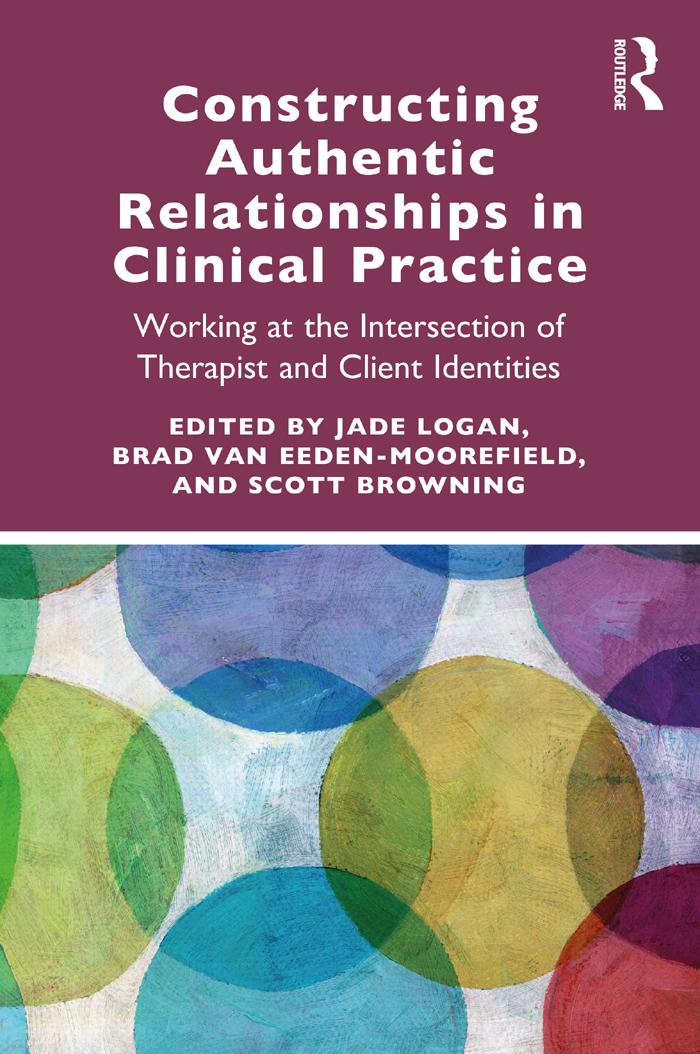
This essential text explores the intersectionality of the self in therapeutic practice, bringing together theoretical foundations and practical implications to provide clear guidance for students and practitioners.
Bringing together a collection of insightful and experienced clinicians, this book examines the ways in which intersectionality influences all phases of clinical and supervisory work, from outreach, assessment, and through to termination. Integrating research with clinical practice, chapters not only examine the theoretical, intersectional location of the self for the therapist, client, or supervisee, but they also consider how this social identity effects the therapeutic process and, crucially, work with clients. The book includes first-hand accounts, case studies, and reflections to demonstrate how interactions are influenced by gender, race, and sexuality, offering practical ideas about how to work intentionally and ethically with clients.
Engaging, informative, and practical, this book is essential reading for students, supervisors, family, marriage, and couple therapists, and clinical social workers who want to work confidently with a range of clients, as well as clinical professionals interested in the role of intersectionality in their work.
Payez facilement par carte, Klarna, Apple Pay ou Google Pay. Pas satisfait ? Vous avez toujours une garantie de remboursement de 14 jours. En savoir plus dans nos conditions. Si vous avez des questions, envoyez-nous un e-mail à hello@memmo.org.
Memmo facilite tes études, où que tu sois dans le monde. On rassemble tes manuels de cours et des outils d'étude intelligents au même endroit : résumés, quiz, podcasts et flashcards. Et il y a Ted, ton compagnon d'étude qui répond à toutes tes questions. Plus de 50 000 étudiants étudient déjà ici – conçu pour t'aider à apprendre plus vite et à moins stresser.