
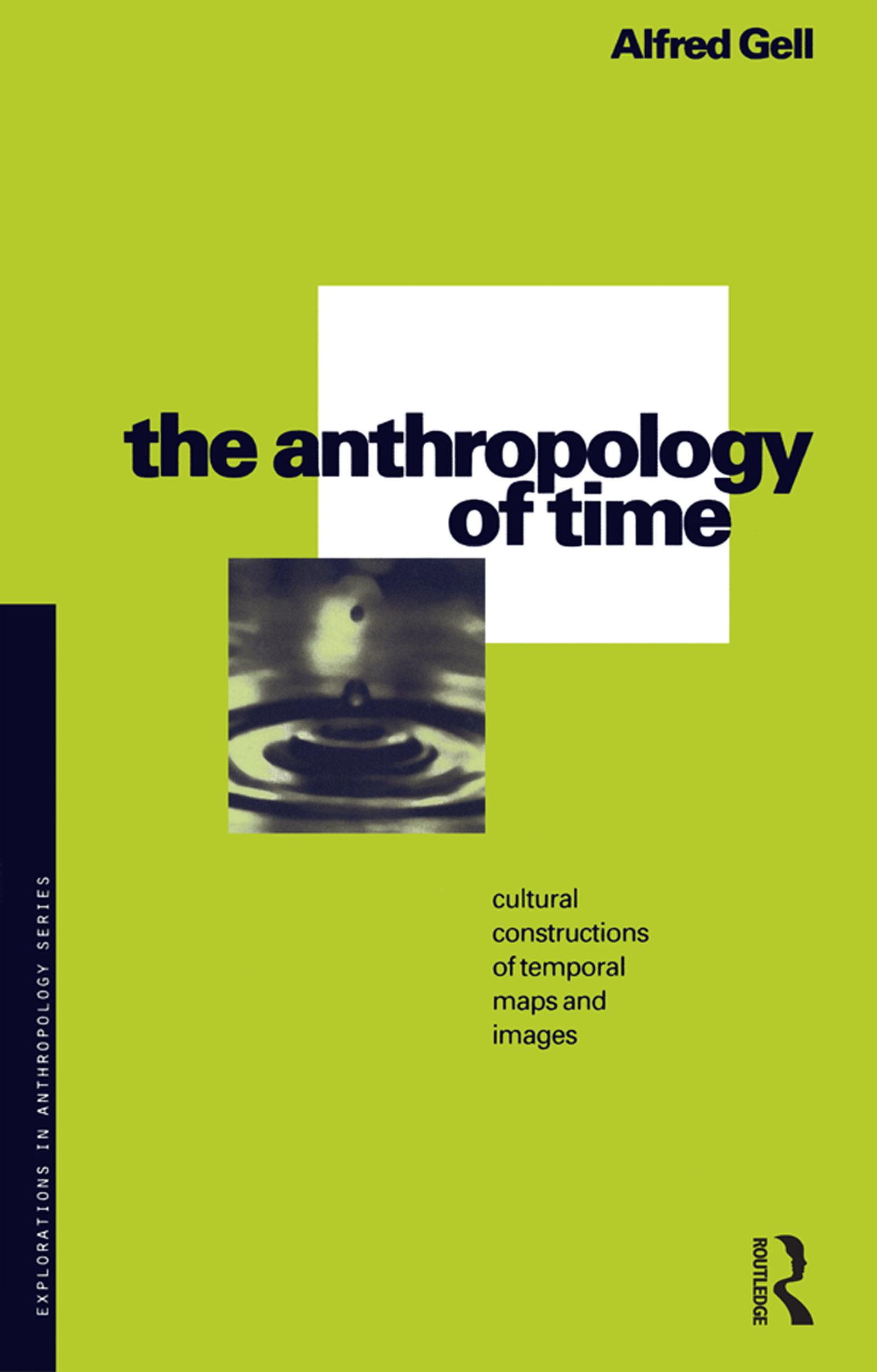
Time - relentless, ever-present but intangible and the single element over which human beings have no absolute control - has long proved a puzzle. The author examines the phenomenon of time and asks such fascinating questions as how time impinges on people, to what extent our awareness of time is culturally conditioned, how societies deal with temporal problems and whether time can be considered a `resource' to be economized. More specifically, he provides a consistent and detailed analysis of theories put forward by a number of thinkers such as Durkheim, Evans-Pritchard, Lévi-Strauss, Geertz, Piaget, Husserl and Bourdieu. His discussion encompasses four main approaches in time research, namely developmental psychology, symbolic anthropology (covering the bulk of post-Durkheimian social anthropology) `economic' theories of time in social geography and, finally, phenomenological theories. The author concludes by presenting his own model of social/cognitive time, in the light of these critical discussions of the literature.
Payez facilement par carte, Klarna, Apple Pay ou Google Pay. Pas satisfait ? Vous avez toujours une garantie de remboursement de 14 jours. En savoir plus dans nos conditions. Si vous avez des questions, envoyez-nous un e-mail à hello@memmo.org.
Memmo facilite tes études, où que tu sois dans le monde. On rassemble tes manuels de cours et des outils d'étude intelligents au même endroit : résumés, quiz, podcasts et flashcards. Et il y a Ted, ton compagnon d'étude qui répond à toutes tes questions. Plus de 50 000 étudiants étudient déjà ici – conçu pour t'aider à apprendre plus vite et à moins stresser.
Tu pourrais aussi aimer
Acheter le livre0