
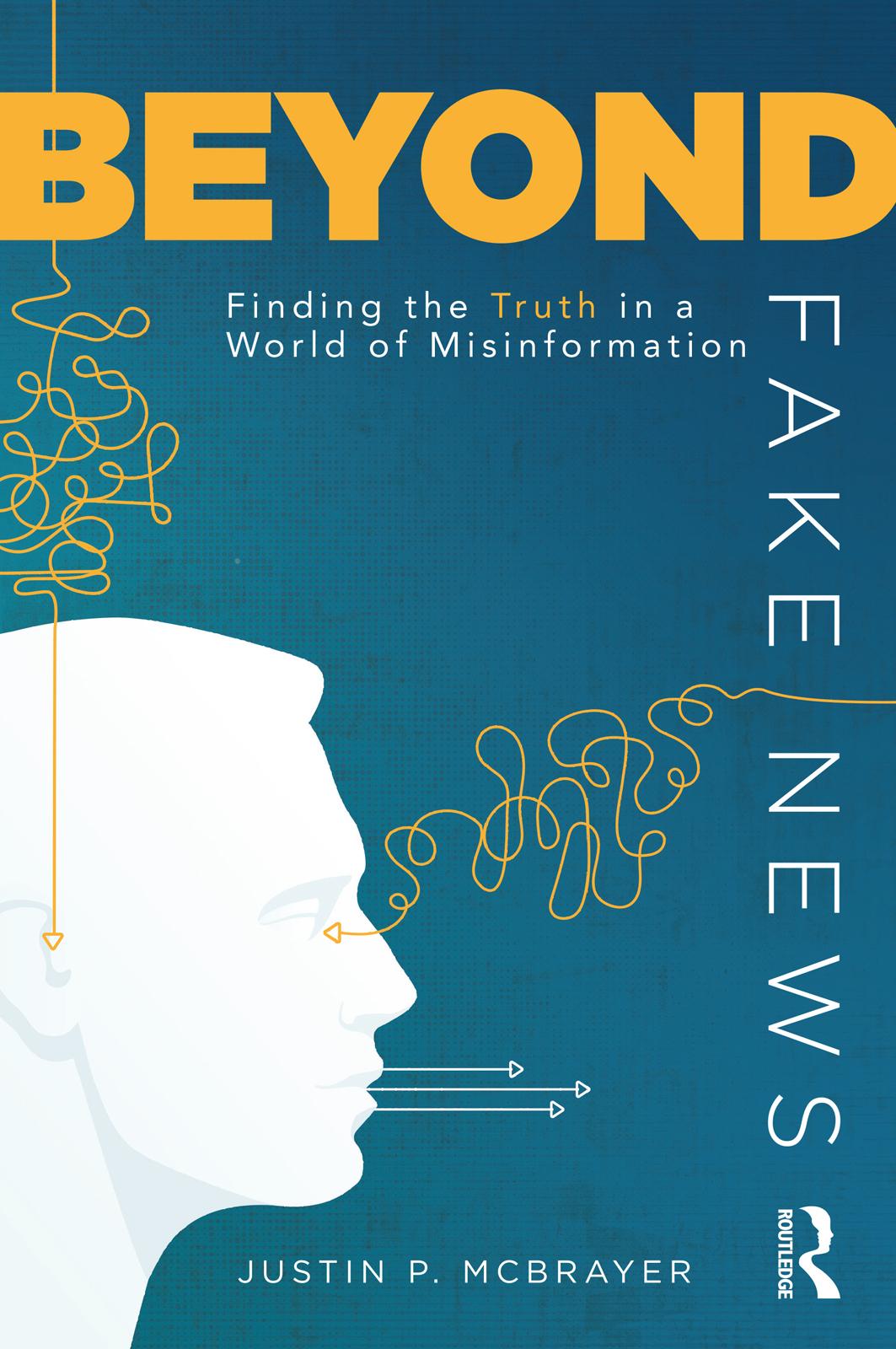
The world is swimming in misinformation. Conflicting messages bombard us every day with news on everything from politics and world events to investments and alternative health. The daily paper, nightly news, websites, and social media each compete for our attention and each often insist on a different version of the facts. Inevitably, we have questions:
- Who is telling the truth?
- How would we know?
- How did we get here?
- What can we do?
Beyond Fake News answers these and other queries. It offers a technological and market-based explanation for how our informational environment became so polluted. It shows how purveyors of news often have incentives to mislead us, and how consumers of information often have incentives to be misled. And it chronicles how, as technology improves and the regulatory burdens drop, our information-scape becomes ever more littered with misinformation. Beyond Fake News argues that even when we really want the truth, our minds are built in such a way so as to be incapable of grasping many facts, and blind spots mar our view of the world. But we can do better, both as individuals and as a society. As individuals, we can improve the accuracy of our understanding of the world by knowing who to trust and recognizing our limitations. And as a society, we can take important steps to reduce the quantity and effects of misinformation.
Payez facilement par carte, Klarna, Apple Pay ou Google Pay. Pas satisfait ? Vous avez toujours une garantie de remboursement de 14 jours. En savoir plus dans nos conditions. Si vous avez des questions, envoyez-nous un e-mail à hello@memmo.org.
Memmo facilite tes études, où que tu sois dans le monde. On rassemble tes manuels de cours et des outils d'étude intelligents au même endroit : résumés, quiz, podcasts et flashcards. Et il y a Ted, ton compagnon d'étude qui répond à toutes tes questions. Plus de 50 000 étudiants étudient déjà ici – conçu pour t'aider à apprendre plus vite et à moins stresser.