
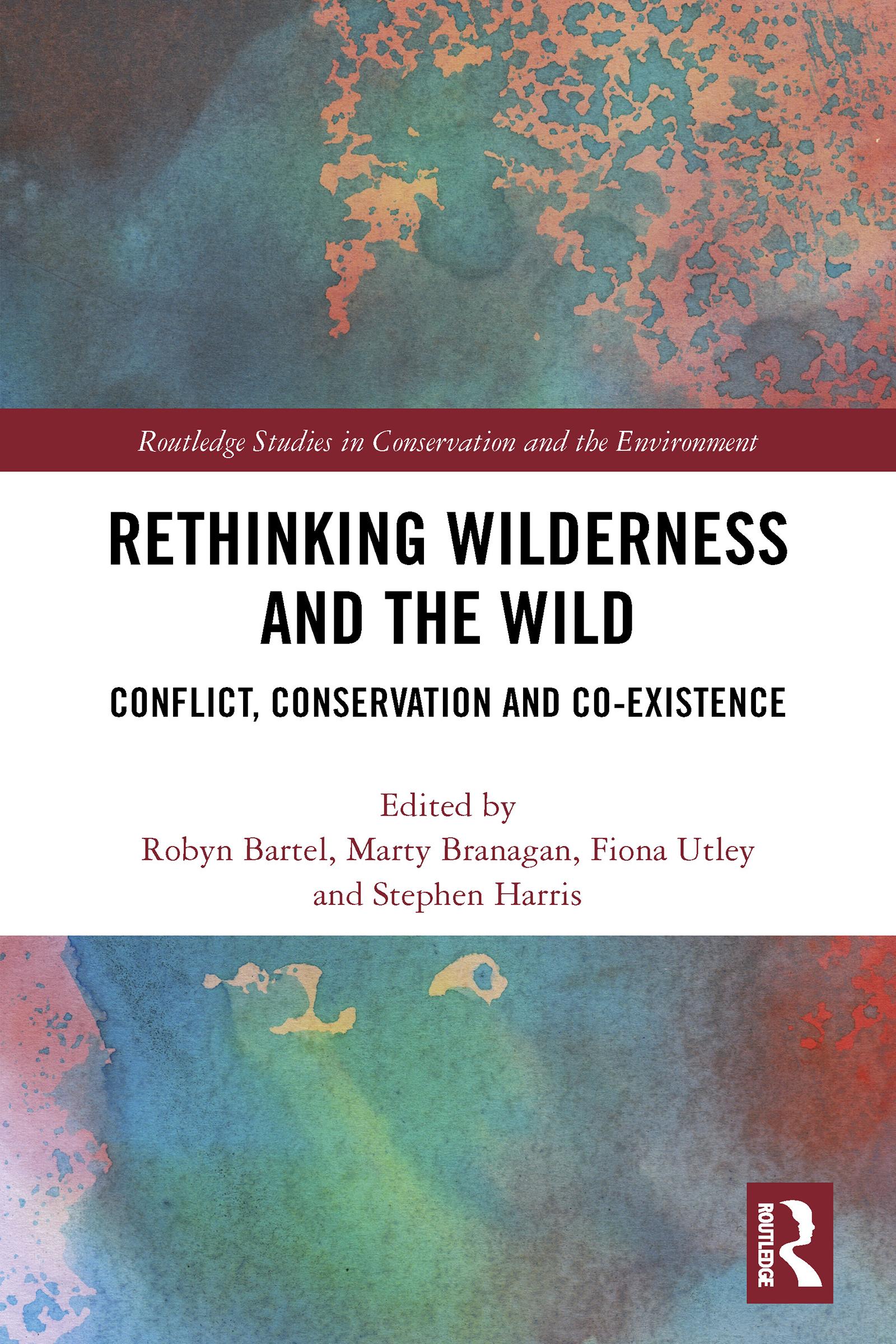
Rethinking Wilderness and the Wild: Conflict, Conservation and Co-existence examines the complexities surrounding the concept of wilderness.
Contemporary wilderness scholarship has tended to fall into two categories: the so-called ‘fortress conservation’ and ‘co-existence’ schools of thought. This book, contending that this polarisation has led to a silencing and concealment of alternative perspectives and lines of enquiry, extends beyond these confines and in particular steers away from the dilemmas of paradise or paradox in order to advance an intellectual and policy agenda of plurality and diversity rather than of prescription and definition. Drawing on case studies from Australia, Aoteoroa/New Zealand, the United States and Iceland, and explorations of embodied experience, creative practice, philosophy, and First Nations land management approaches, the assembled chapters examine wilderness ideals, conflicts and human-nature dualities afresh, and examine co-existence and conservation in the Anthropocene in diverse ontological and multidisciplinary ways. By demonstrating a strong commitment to respecting the knowledge and perspectives of Indigenous peoples, this work delivers a more nuanced, ethical and decolonising approach to issues arising from relationships with wilderness. Such a collection is immediately appropriate given the political challenges and social complexities of our time, and the mounting threats to life across the globe. The abiding and uniting logic of the book is to offer a unique and innovative contribution to engender transformations of wilderness scholarship, activism and conservation policy. This text refutes the inherent privileging and exclusionary tactics of dominant modes of enquiry that too often serve to silence non-human and contrary positions. It reveals a multi-faceted and contingent wilderness alive with agency, diversity and possibility.
This book will be of great interest to students and scholars of conservation, environmental and natural resource management, Indigenous studies and environmental policy and planning. It will also be of interest to practitioners, policymakers and NGOs involved in conservation, protected environments and environmental governance.
Payez facilement par carte, Klarna, Apple Pay ou Google Pay. Pas satisfait ? Vous avez toujours une garantie de remboursement de 14 jours. En savoir plus dans nos conditions. Si vous avez des questions, envoyez-nous un e-mail à hello@memmo.org.
Memmo facilite tes études, où que tu sois dans le monde. On rassemble tes manuels de cours et des outils d'étude intelligents au même endroit : résumés, quiz, podcasts et flashcards. Et il y a Ted, ton compagnon d'étude qui répond à toutes tes questions. Plus de 50 000 étudiants étudient déjà ici – conçu pour t'aider à apprendre plus vite et à moins stresser.