
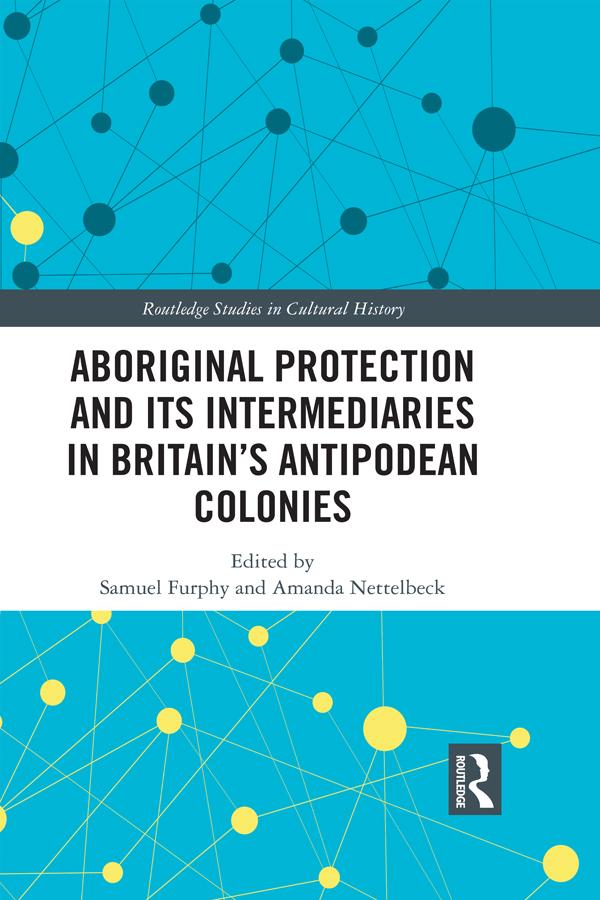
This collection brings together world-leading and emerging scholars to explore how the concept of "protection" was applied to Indigenous peoples of Britain’s antipodean colonies. Tracing evolutions in protection from the 1830s until the end of the nineteenth century, the contributors map the changes and continuities that marked it as an inherently ambivalent mode of colonial practice. In doing so, they consider the place of different historical actors who were involved in the implementation of protective policy, who served as its intermediaries on the ground, or who responded as its intended "beneficiaries." These included metropolitan and colonial administrators, Protectors or similar agents, government interpreters and church-affiliated missionaries, settlers with economic investments in the politics of conciliation, and the Indigenous peoples who were themselves subjected to colonial policies. Drawing out some of the interventions and encounters lived out in the name of protection, the book examines some of the critical roles it played in the making of colonial relations.
Payez facilement par carte, Klarna, Apple Pay ou Google Pay. Pas satisfait ? Vous avez toujours une garantie de remboursement de 14 jours. En savoir plus dans nos conditions. Si vous avez des questions, envoyez-nous un e-mail à hello@memmo.org.
Memmo facilite tes études, où que tu sois dans le monde. On rassemble tes manuels de cours et des outils d'étude intelligents au même endroit : résumés, quiz, podcasts et flashcards. Et il y a Ted, ton compagnon d'étude qui répond à toutes tes questions. Plus de 50 000 étudiants étudient déjà ici – conçu pour t'aider à apprendre plus vite et à moins stresser.