
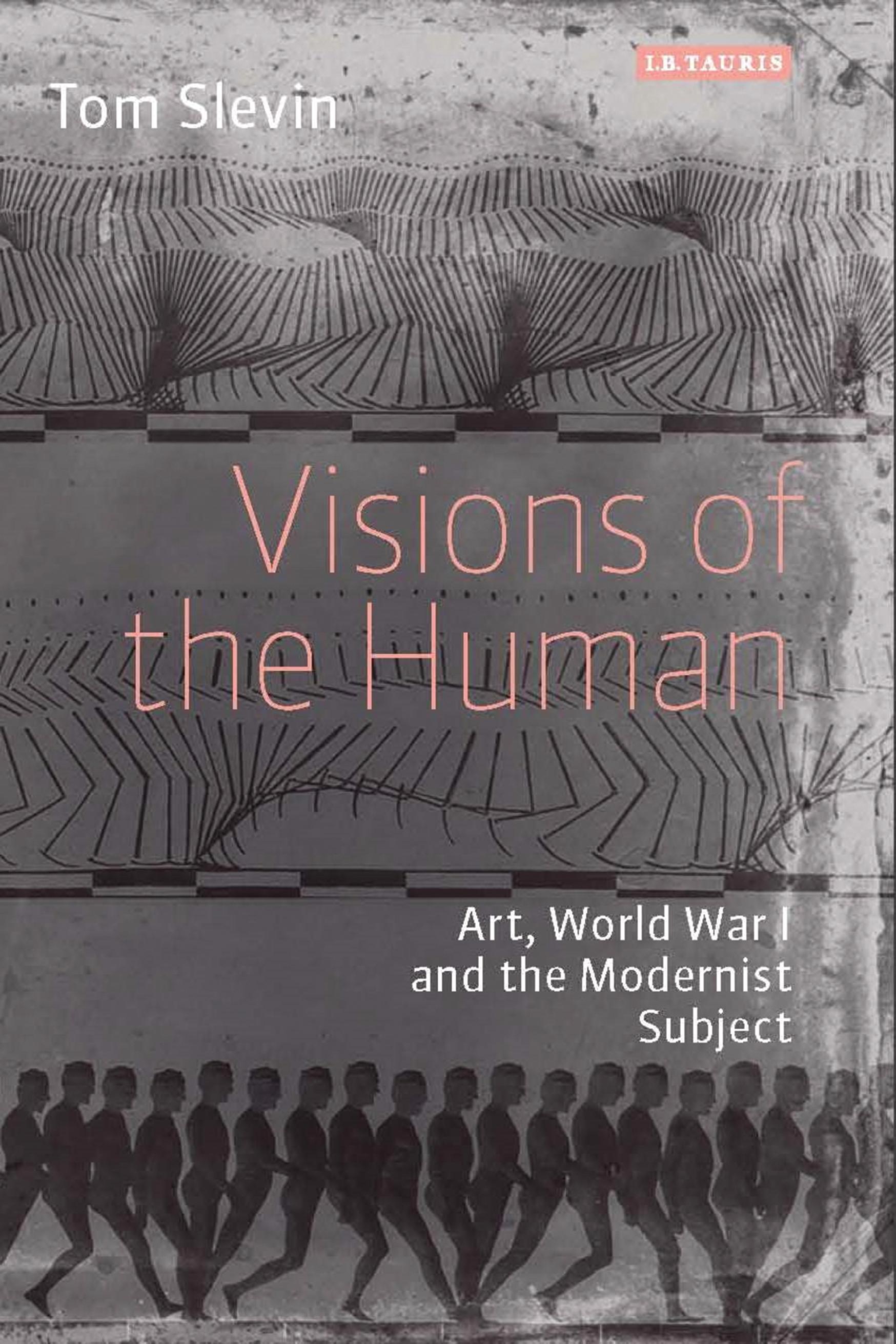
In what ways do the artistic avant-garde's representations of the human body reflect the catastrophe of World War I? The European modernists were inspired by developments in the nineteenth-century, yielding new forms of knowledge about the nature of reality and repositioning the human body as the new 'object' of knowledge. New 'visions' of the human subject were created within this transformation. However, modernity's reactionary political climate - for which World War I provided a catalyst - transformed a once liberal ideal between humanity, environment, and technology, into a tool of disciplinary rationalisation. Visions of the Human considers the consequences of this historical moment for the twentieth and twenty-first centuries. It explores the ways in which the 'technologies of the self' that inspired the avant-garde were increasingly instrumentalised by conservative politics, urbanism, consumer capitalism and the society of 'the spectacle'. This is an engaging and powerful study which challenges prior ideas and explores new ways of thinking about modern visual culture.
Payez facilement par carte, Klarna, Apple Pay ou Google Pay. Pas satisfait ? Vous avez toujours une garantie de remboursement de 14 jours. En savoir plus dans nos conditions. Si vous avez des questions, envoyez-nous un e-mail à hello@memmo.org.
Memmo facilite tes études, où que tu sois dans le monde. On rassemble tes manuels de cours et des outils d'étude intelligents au même endroit : résumés, quiz, podcasts et flashcards. Et il y a Ted, ton compagnon d'étude qui répond à toutes tes questions. Plus de 50 000 étudiants étudient déjà ici – conçu pour t'aider à apprendre plus vite et à moins stresser.