
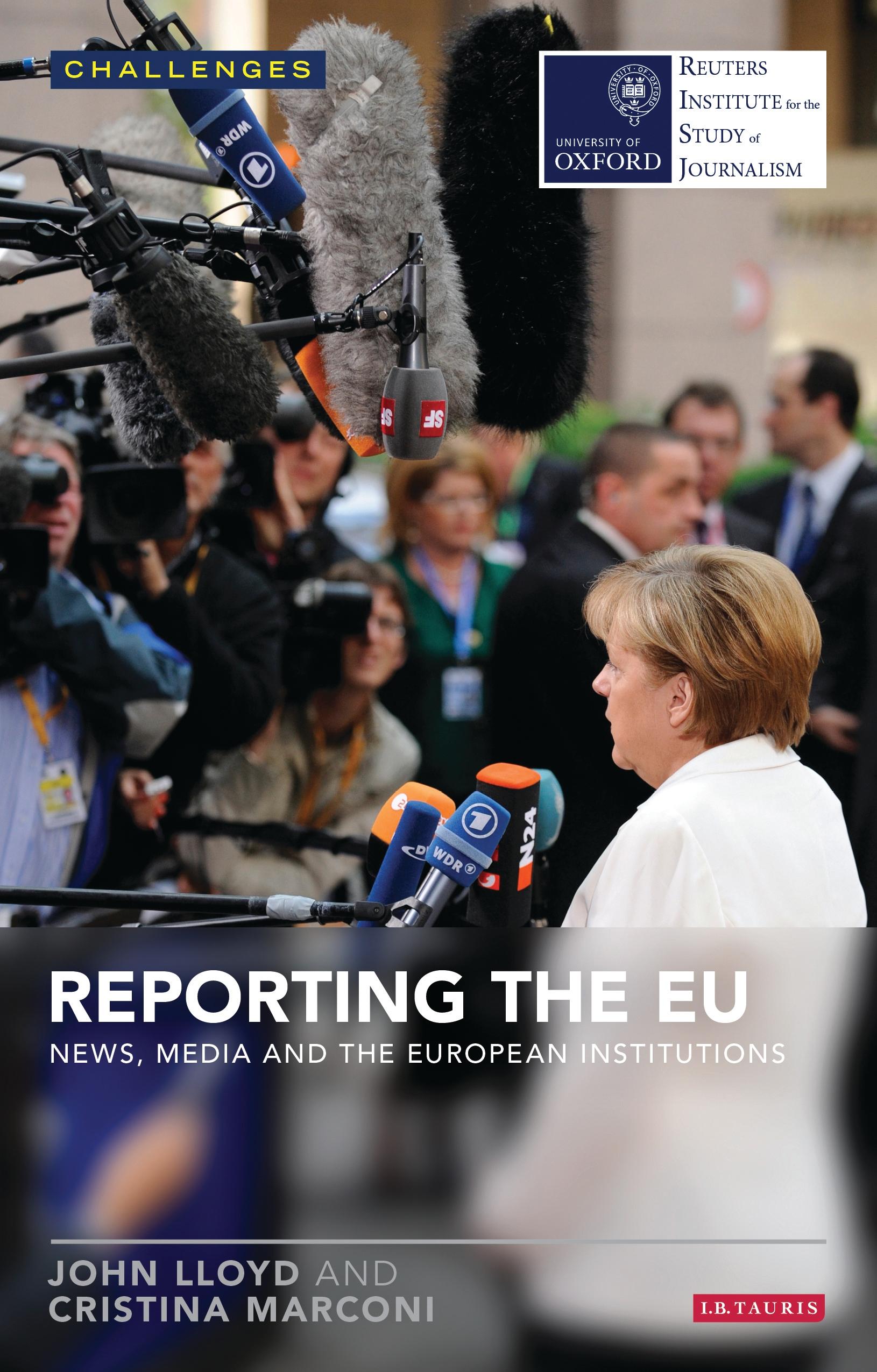
In recent years, media coverage of the European Union has faced its most serious test. The interlinked crises in the Union have severely tested the expertise of the EU press corps, many of whom have struggled to cope with its complexities, and have thrown into sharper relief the differences among the national coverages. At the same time, the crises have deepened trends towards euro scepticism in many EU member states - thus putting pressure on correspondents to be more sceptical, analytical, argumentative and even hostile, in their reporting. This development has revealed a greater gulf between reporters - who are now more sceptical than their predecessors - and the press service and officials of the EU, who remain strongly committed to the narrative of an 'ever-closer union'. Yet - in contrast to the rising euro scepticism - the crises have emphasised the need perceived by European officials and many European politicians for deeper integration, at least among Euro currency members, to cope with the crisis.
This book, based on extensive interviews with EU correspondents, editors, public relations and other EU executives, will reveal for the first time how this powerful group of institutions at the heart of the Union are covered - or are not covered. The analysis and critique of the present coverage also carries a series of recommendations on how it might be made to better serve the citizens of the EU members. The authors highlight the structural and historic difficulties in covering a multinational institution, and the struggle - generally unsuccessful - to develop a journalism which can fully hold the institutions to account, and find an audience which goes beyond the narrow circles of professionals and politicians who are closely concerned with the business of the Union.
This book, based on extensive interviews with EU correspondents, editors, public relations and other EU executives, will reveal for the first time how this powerful group of institutions at the heart of the Union are covered - or are not covered. The analysis and critique of the present coverage also carries a series of recommendations on how it might be made to better serve the citizens of the EU members. The authors highlight the structural and historic difficulties in covering a multinational institution, and the struggle - generally unsuccessful - to develop a journalism which can fully hold the institutions to account, and find an audience which goes beyond the narrow circles of professionals and politicians who are closely concerned with the business of the Union.
Payez facilement par carte, Klarna, Apple Pay ou Google Pay. Pas satisfait ? Vous avez toujours une garantie de remboursement de 14 jours. En savoir plus dans nos conditions. Si vous avez des questions, envoyez-nous un e-mail à hello@memmo.org.
Memmo facilite tes études, où que tu sois dans le monde. On rassemble tes manuels de cours et des outils d'étude intelligents au même endroit : résumés, quiz, podcasts et flashcards. Et il y a Ted, ton compagnon d'étude qui répond à toutes tes questions. Plus de 50 000 étudiants étudient déjà ici – conçu pour t'aider à apprendre plus vite et à moins stresser.