
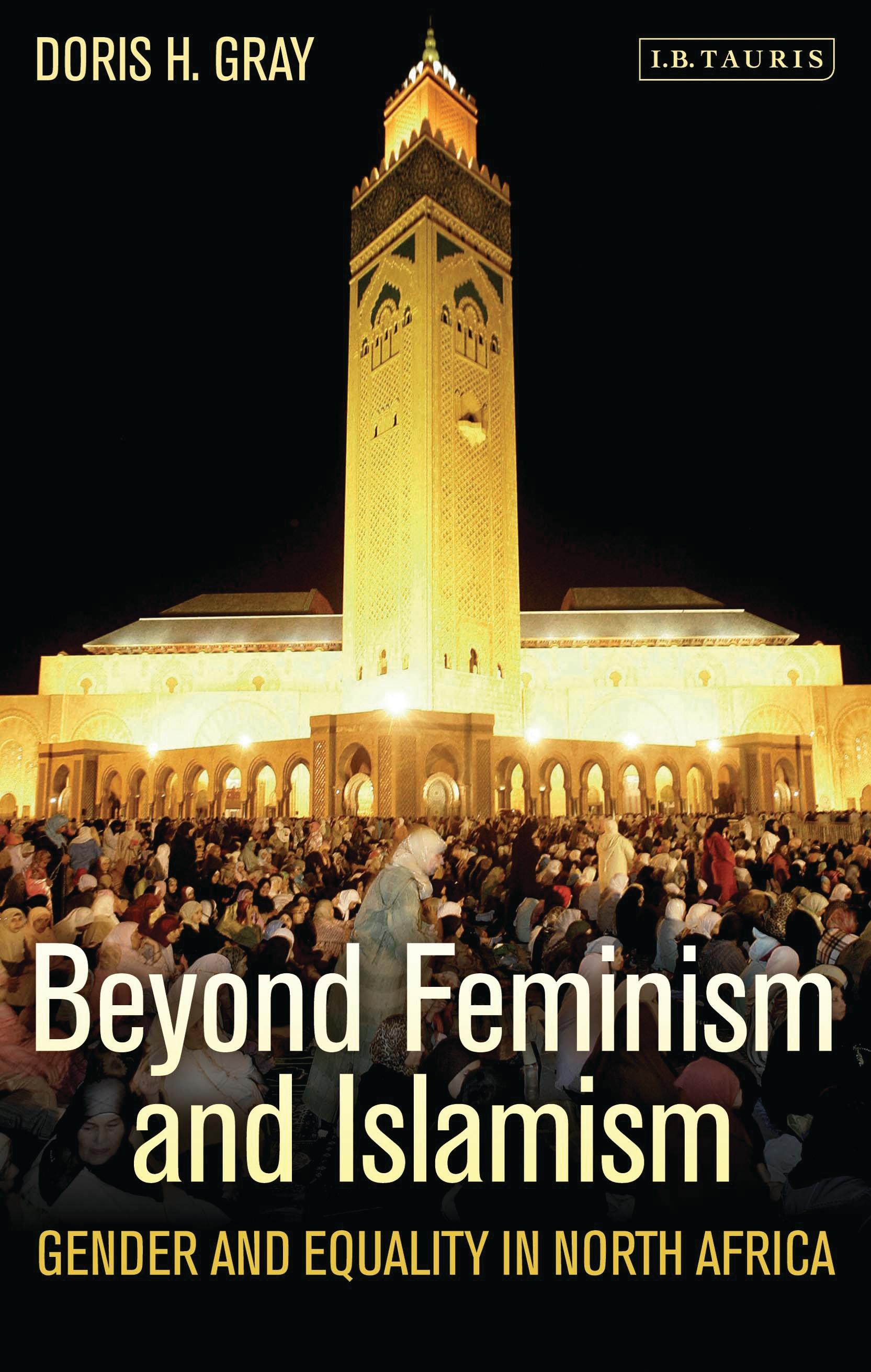
Are women in North Africa and the Middle East 'feminist'? Or is being a Muslim incompatible with feminism? Is there such a thing as 'Islamic feminism'? Through interviews with Moroccan activists and jurists - both male and female - and by situating these interviews within their socio-political and economic contexts, Doris Gray addresses these questions. By doing so, she attempts to move beyond the simple bifurcation of 'feminist' and 'Islamist' to look at the many facets of internal gender discourse within one Muslim country, allowing for a more nuanced understanding of the discussion on women's rights in the Muslim world in general.
By marking out a 'third way' that looks beyond 'feminism' and 'Islamism', Gray presents religion and faith not as blocking gender equality but as a source of inspiration to explore new ways of conceiving modernity. While Western models are taken into consideration, within Morocco the men and women involved in this 'third way' of understanding gender and equality inevitably negotiate internal tensions between what has been dubbed 'tradition' and 'modernity', thus incorporating national and cultural identity, post-colonialism and religious principles into their gender discourse. Examining issues such as gender equality, gender justice, abortion and gay rights, Gray explores the nexus of gender, religion and democracy in modern Morocco, and the ways in which different groups understand these ideas.
Many of the world's pressing twenty-first century problems are embodied within Morocco's borders:tensions between the West and the Muslim world, minority rights, migration, the role of religion in a modern society and the issue this book is chiefly concerned with - women's rights. The status and the role of women is one of the most hotly debated topics throughout the Middle East and North Africa, and this is particularly visible through this discussion of what it means to engage with and promote feminist thought and actions in the region.
By marking out a 'third way' that looks beyond 'feminism' and 'Islamism', Gray presents religion and faith not as blocking gender equality but as a source of inspiration to explore new ways of conceiving modernity. While Western models are taken into consideration, within Morocco the men and women involved in this 'third way' of understanding gender and equality inevitably negotiate internal tensions between what has been dubbed 'tradition' and 'modernity', thus incorporating national and cultural identity, post-colonialism and religious principles into their gender discourse. Examining issues such as gender equality, gender justice, abortion and gay rights, Gray explores the nexus of gender, religion and democracy in modern Morocco, and the ways in which different groups understand these ideas.
Many of the world's pressing twenty-first century problems are embodied within Morocco's borders:tensions between the West and the Muslim world, minority rights, migration, the role of religion in a modern society and the issue this book is chiefly concerned with - women's rights. The status and the role of women is one of the most hotly debated topics throughout the Middle East and North Africa, and this is particularly visible through this discussion of what it means to engage with and promote feminist thought and actions in the region.
Payez facilement par carte, Klarna, Apple Pay ou Google Pay. Pas satisfait ? Vous avez toujours une garantie de remboursement de 14 jours. En savoir plus dans nos conditions. Si vous avez des questions, envoyez-nous un e-mail à hello@memmo.org.
Memmo facilite tes études, où que tu sois dans le monde. On rassemble tes manuels de cours et des outils d'étude intelligents au même endroit : résumés, quiz, podcasts et flashcards. Et il y a Ted, ton compagnon d'étude qui répond à toutes tes questions. Plus de 50 000 étudiants étudient déjà ici – conçu pour t'aider à apprendre plus vite et à moins stresser.