
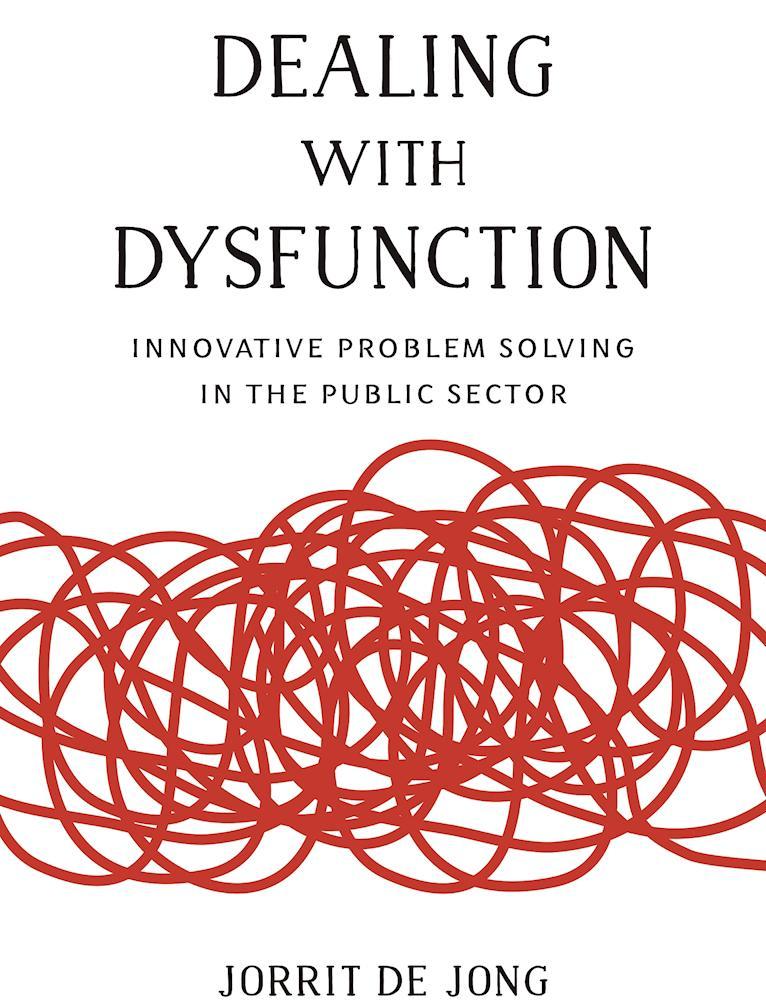
How can we intervene in the systemic bureaucratic dysfunction that beleaguers the public sector? De Jong examines the roots of this dysfunction and presents a novel approach to solving it. Drawing from academic literature on bureaucracy and problem solving in the public sector, and the clinical work of the Kafka Brigadea social enterprise based in the Netherlands dedicated to diagnosing and remedying bureaucratic dysfunction in practice, this study reveals the shortcomings of conventional approaches to bureaucratic reform. The usual methods have failed to diagnose problems, distinguish symptoms, or identify root causes in a comprehensive or satisfactory way. They have also failed to engage clients, professionals, and midlevel managers in understanding and addressing the dysfunction that plagues them. This book offers conceptual frameworks, theoretical insights, and practical lessons for dealing with the problem. It sets a course for rigorous public problem solving to create governments that can be more effective, efficient, equitable, and responsive to social concerns.
De Jong argues that successfully remedying bureaucratic dysfunction depends on employing diagnostics capable of distinguishing and dissecting various kinds of dysfunction. The Anna Karenina principle” applies here: all well functioning bureaucracies are alike; every dysfunctional bureaucracy is dysfunctional in its own way. The author also asserts that the worst dysfunction occurs when multiple organizations share responsibility for a problem, but no single organization is primarily responsible for solving it. This points to a need for creating and reinforcing distributed problem solving capacity focused on deep (cross-)organizational learning and revised accountability structures. Our best approach to dealing with dysfunction may therefore not be top-down regulatory reform, but rather relentless bottom-up and cross-boundary leadership and innovation. Using fourteen clinical cases of bureaucratic dysfunction investigated by the Kafka Brigade, the author demonstrates how a proper process for identifying, defining, diagnosing, and remedying the problem can produce better outcomes.
De Jong argues that successfully remedying bureaucratic dysfunction depends on employing diagnostics capable of distinguishing and dissecting various kinds of dysfunction. The Anna Karenina principle” applies here: all well functioning bureaucracies are alike; every dysfunctional bureaucracy is dysfunctional in its own way. The author also asserts that the worst dysfunction occurs when multiple organizations share responsibility for a problem, but no single organization is primarily responsible for solving it. This points to a need for creating and reinforcing distributed problem solving capacity focused on deep (cross-)organizational learning and revised accountability structures. Our best approach to dealing with dysfunction may therefore not be top-down regulatory reform, but rather relentless bottom-up and cross-boundary leadership and innovation. Using fourteen clinical cases of bureaucratic dysfunction investigated by the Kafka Brigade, the author demonstrates how a proper process for identifying, defining, diagnosing, and remedying the problem can produce better outcomes.
Payez facilement par carte, Klarna, Apple Pay ou Google Pay. Pas satisfait ? Vous avez toujours une garantie de remboursement de 14 jours. En savoir plus dans nos conditions. Si vous avez des questions, envoyez-nous un e-mail à hello@memmo.org.
Memmo facilite tes études, où que tu sois dans le monde. On rassemble tes manuels de cours et des outils d'étude intelligents au même endroit : résumés, quiz, podcasts et flashcards. Et il y a Ted, ton compagnon d'étude qui répond à toutes tes questions. Plus de 50 000 étudiants étudient déjà ici – conçu pour t'aider à apprendre plus vite et à moins stresser.