
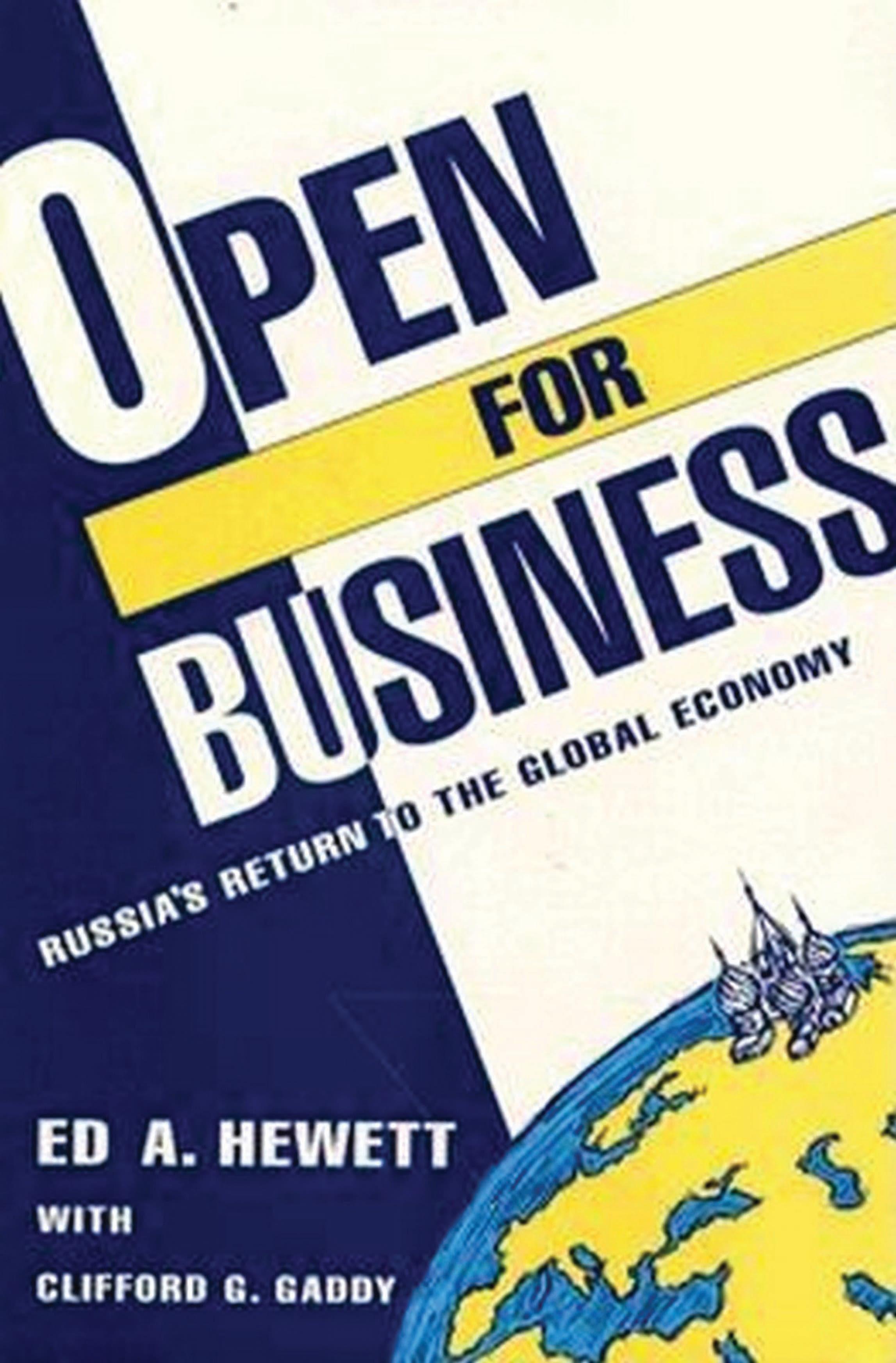
In December 1991 the Union of Soviet Socialist Republicsborn in violent revolution and dominated for more than six decades by highly authoritarian rulewas dissolved by its constituent republics. The causes for this remarkable event will be probed for many years to come. Our understanding of it may never be complete. Nevertheless, it is evident even now that part of the story lay in a conscious redirection of policy by specific individuals. Those at the center of political and economic power understood the flaws in their system well enough to initiate a process of reform, but one that triggered a more massive transformation than they had intended.
The process has left enormous turmoil in this wake. Political power has dissipated in all the new states emerging from the fragmented former USSR, and all are struggling to establish some constitutional order. They do so under conditions of severe austerity as they seed to reconstruct their once integrated, highly concentrated, internationally isolated economy into independent instruments of national viability. With no detailed blueprint available, and with only fractured mechanisms of policy control at their disposal, these new nations are being carried along by the inertia of state enterprises and by a spontaneous process or regeneration at the grass-roots level.
This book, which analyzes Gorbachev's foreign economic strategy, provides a window for understanding the disintegrative forces that stymied his reforms and eventually defeated him, undermining the country he sought to preserve. Gorbachev was committed to ending Soviet isolation from the world economy and at the same time saving Soviet socialism. Ironically, it is the destruction of Soviet socialism and the emergence of new post-Soviet states, that has begun to break down the isolationist barriers erected over the last seven decades. This book documents the incredibly complex legacies that Russia and the other new post-Soviet states face as they see to integrate themselves into the global economy.
The process has left enormous turmoil in this wake. Political power has dissipated in all the new states emerging from the fragmented former USSR, and all are struggling to establish some constitutional order. They do so under conditions of severe austerity as they seed to reconstruct their once integrated, highly concentrated, internationally isolated economy into independent instruments of national viability. With no detailed blueprint available, and with only fractured mechanisms of policy control at their disposal, these new nations are being carried along by the inertia of state enterprises and by a spontaneous process or regeneration at the grass-roots level.
This book, which analyzes Gorbachev's foreign economic strategy, provides a window for understanding the disintegrative forces that stymied his reforms and eventually defeated him, undermining the country he sought to preserve. Gorbachev was committed to ending Soviet isolation from the world economy and at the same time saving Soviet socialism. Ironically, it is the destruction of Soviet socialism and the emergence of new post-Soviet states, that has begun to break down the isolationist barriers erected over the last seven decades. This book documents the incredibly complex legacies that Russia and the other new post-Soviet states face as they see to integrate themselves into the global economy.
Payez facilement par carte, Klarna, Apple Pay ou Google Pay. Pas satisfait ? Vous avez toujours une garantie de remboursement de 14 jours. En savoir plus dans nos conditions. Si vous avez des questions, envoyez-nous un e-mail à hello@memmo.org.
Memmo facilite tes études, où que tu sois dans le monde. On rassemble tes manuels de cours et des outils d'étude intelligents au même endroit : résumés, quiz, podcasts et flashcards. Et il y a Ted, ton compagnon d'étude qui répond à toutes tes questions. Plus de 50 000 étudiants étudient déjà ici – conçu pour t'aider à apprendre plus vite et à moins stresser.