
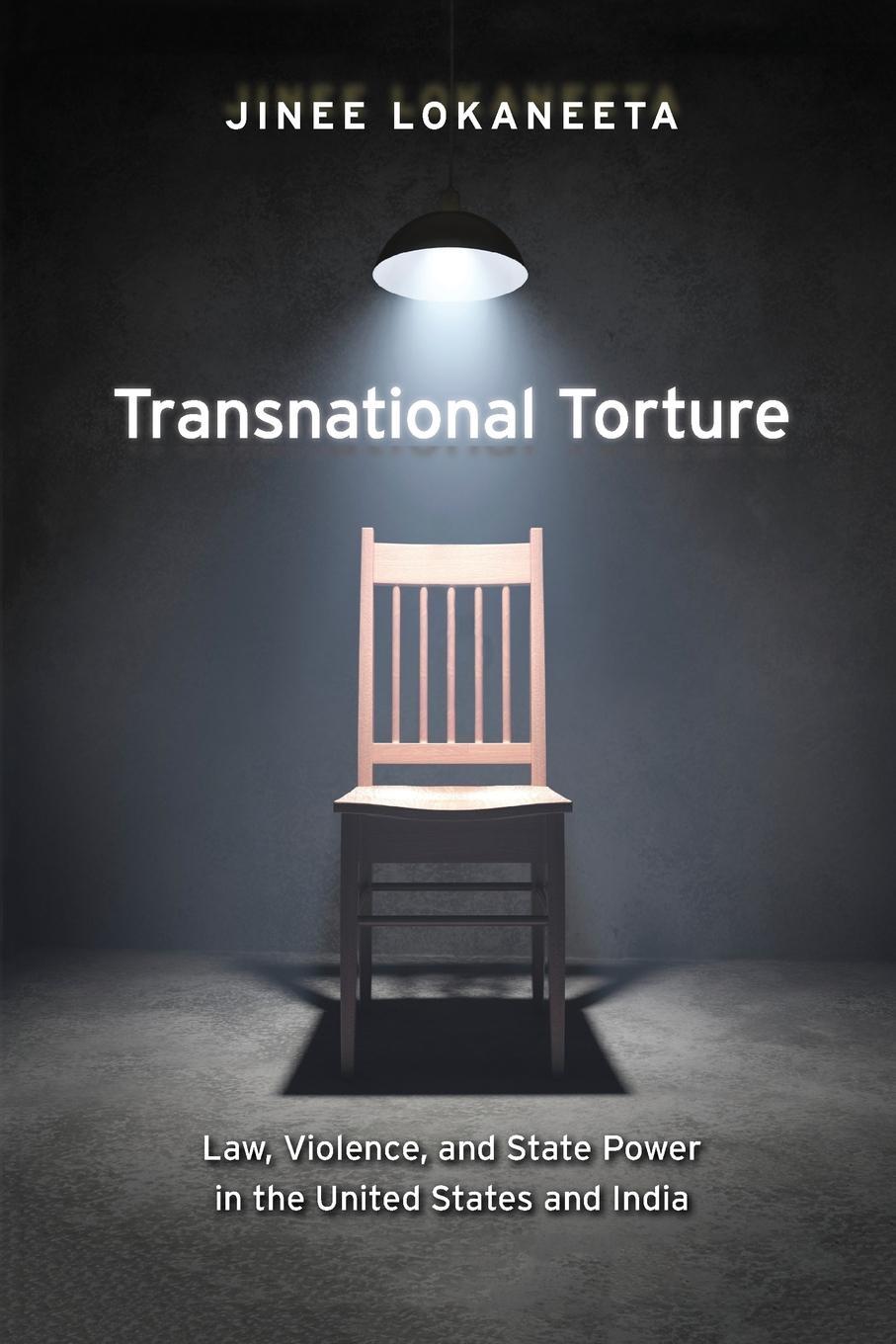
"Transnational Torture by Jinee Lokaneeta reviewed with Prachi Patankar" on the blog Kafila.
Evidence of torture at Abu Ghraib prison in Iraq and harsh interrogation techniques at Guantánamo Bay beg the question: has the “war on terror” forced liberal democracies to rethink their policies and laws against torture? Transnational Torture focuses on the legal and political discourses on torture in India and the United States—two common-law based constitutional democracies—to theorize the relationship between law, violence, and state power in liberal democracies.
Analyzing about one hundred landmark Supreme Court cases on torture in India and the United States, memos and popular imagery of torture, Jinee Lokaneeta compellingly demonstrates that even before recent debates on the use of torture in the war on terror, the laws of interrogation were much more ambivalent about the infliction of excess pain and suffering than most political and legal theorists have acknowledged. Rather than viewing the recent policies on interrogation as anomalous or exceptional, Lokaneeta effectively argues that efforts to accommodate excess violence—a constantly negotiated process—are long standing features of routine interrogations in both the United States and India, concluding that the infliction of excess violence is more central to democratic governance than is acknowledged in western jurisprudence.
Payez facilement par carte, Klarna, Apple Pay ou Google Pay. Pas satisfait ? Vous avez toujours une garantie de remboursement de 14 jours. En savoir plus dans nos conditions. Si vous avez des questions, envoyez-nous un e-mail à hello@memmo.org.
Memmo facilite tes études, où que tu sois dans le monde. On rassemble tes manuels de cours et des outils d'étude intelligents au même endroit : résumés, quiz, podcasts et flashcards. Et il y a Ted, ton compagnon d'étude qui répond à toutes tes questions. Plus de 50 000 étudiants étudient déjà ici – conçu pour t'aider à apprendre plus vite et à moins stresser.