
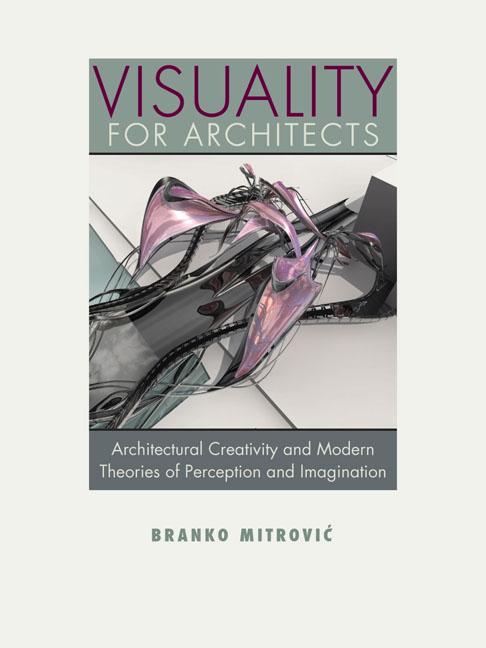
What is more important in architectural works—their form, shape, and color, or the meanings and symbolism that can be associated with them? Can aesthetic judgments of architecture be independent of the stories one can tell about buildings? Do non-architects perceive buildings in the same way as do architects?
For the greater part of the twentieth century it was common to respond to these and similar questions by relying on psychological theories asserting there is no innocent eye, that we think only in language, and that human visuality results from preexisting, conceptual knowledge. Dramatic breakthroughs in philosophy and psychology over the past two decades, however, have shown us that human visuality functions for the most part independently of conceptual thinking and language.
This book examines the ways in which new theories of human visuality create a different understanding of architectural design, practice, and education. This new understanding coincides with and supports formalist approaches to architecture that have become influential in recent years as a result of the digital revolution in architectural design.
Payez facilement par carte, Klarna, Apple Pay ou Google Pay. Pas satisfait ? Vous avez toujours une garantie de remboursement de 14 jours. En savoir plus dans nos conditions. Si vous avez des questions, envoyez-nous un e-mail à hello@memmo.org.
Memmo facilite tes études, où que tu sois dans le monde. On rassemble tes manuels de cours et des outils d'étude intelligents au même endroit : résumés, quiz, podcasts et flashcards. Et il y a Ted, ton compagnon d'étude qui répond à toutes tes questions. Plus de 50 000 étudiants étudient déjà ici – conçu pour t'aider à apprendre plus vite et à moins stresser.